跳至主要内容

Role of Silk Fibroin in Cosmetics

 Silk fibroin is a natural protein derived from the silk of silkworms, and it has gained popularity in the cosmetics and skincare industry due to its numerous beneficial properties. Here’s an overview of its role and uses in cosmetics:

1. Moisturizing and Hydration

Silk fibroin is known for its ability to retain moisture and maintain hydration in the skin. It forms a thin, breathable film on the skin’s surface, preventing moisture loss while allowing the skin to breathe. This makes it a common ingredient in moisturizers, serums, and hydrating products.

2. Skin Barrier Repair

Silk fibroin contains amino acids that are similar to those found in human skin, such as glycine, alanine, and serine. These amino acids help to improve the skin’s natural barrier function, aiding in the repair of damaged skin, enhancing elasticity, and promoting skin regeneration. It is often used in products targeting sensitive or compromised skin.
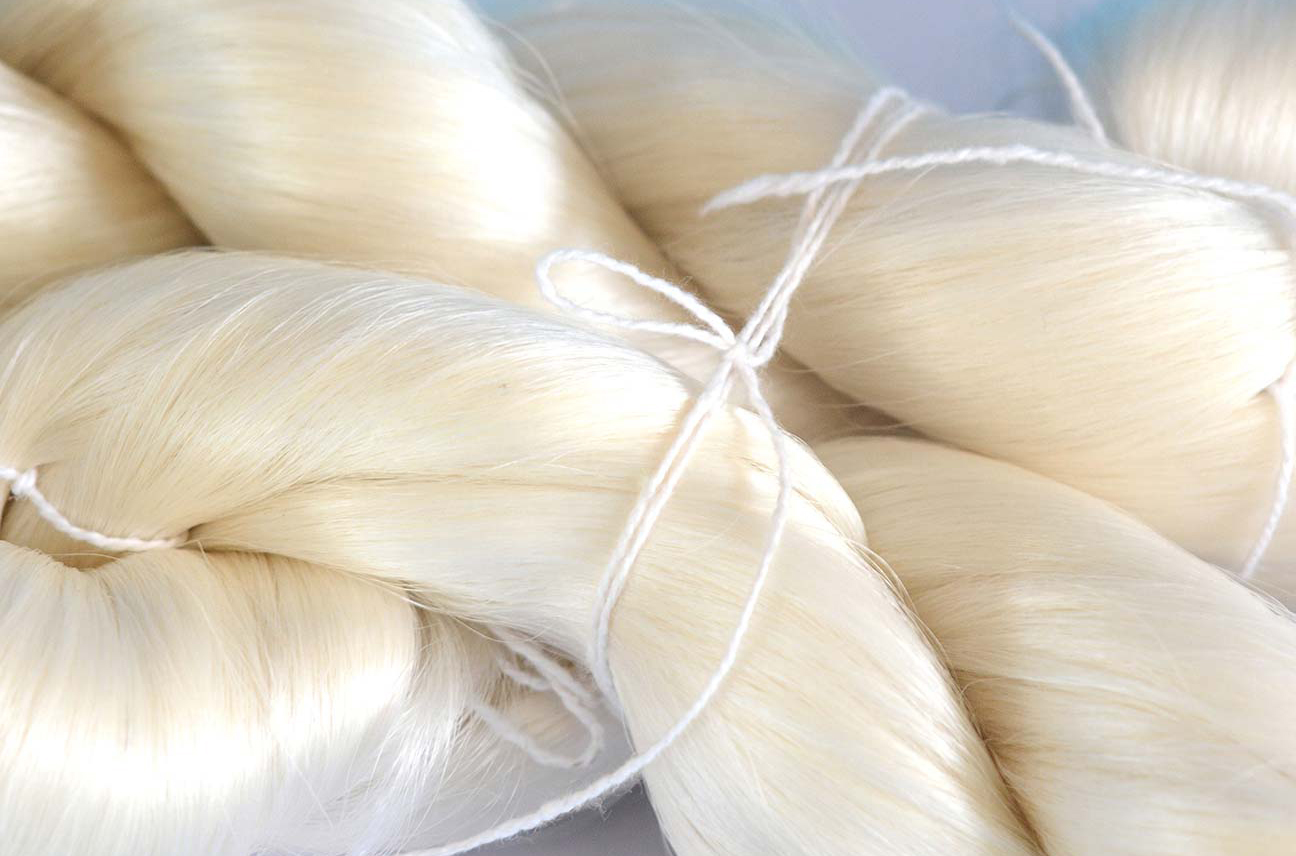
Role of Silk Fibroin in Cosmetics

3. Anti-Aging Benefits

Silk fibroin has been shown to improve the appearance of fine lines and wrinkles. Its ability to stimulate collagen production and provide deep hydration helps to firm and plump the skin, making it a popular ingredient in anti-aging creams and serums.

4. Antioxidant Properties

Silk fibroin has antioxidant properties, which help to protect the skin from free radical damage and environmental stressors, such as UV radiation and pollution. This makes it a useful ingredient in products that offer protection from environmental aging and oxidative stress.

5. Soothing and Calming

Silk fibroin has a gentle, soothing effect on the skin, making it beneficial for people with sensitive or irritated skin. It can help reduce redness, inflammation, and discomfort caused by skin conditions like eczema, rosacea, or dermatitis.

6. Improved Skin Texture and Softness

Due to its smooth, silky texture, silk fibroin helps to improve the overall feel and texture of the skin. It imparts a soft, velvety finish that enhances the application and feel of cosmetic products.

7. Wound Healing and Skin Regeneration

Silk fibroin has been researched for its potential to accelerate wound healing. Its structural and regenerative properties are thought to aid in repairing skin damage, promoting the growth of new tissue, and reducing scarring, which makes it an ingredient in products aimed at post-surgery or post-acne scar healing.

8. Compatibility with Other Ingredients

Silk fibroin is often used in combination with other skincare actives, such as hyaluronic acid, peptides, and vitamins, to enhance their effects and improve skin penetration. Its ability to bind water and its natural compatibility with the skin allows it to synergize well with many other ingredients.
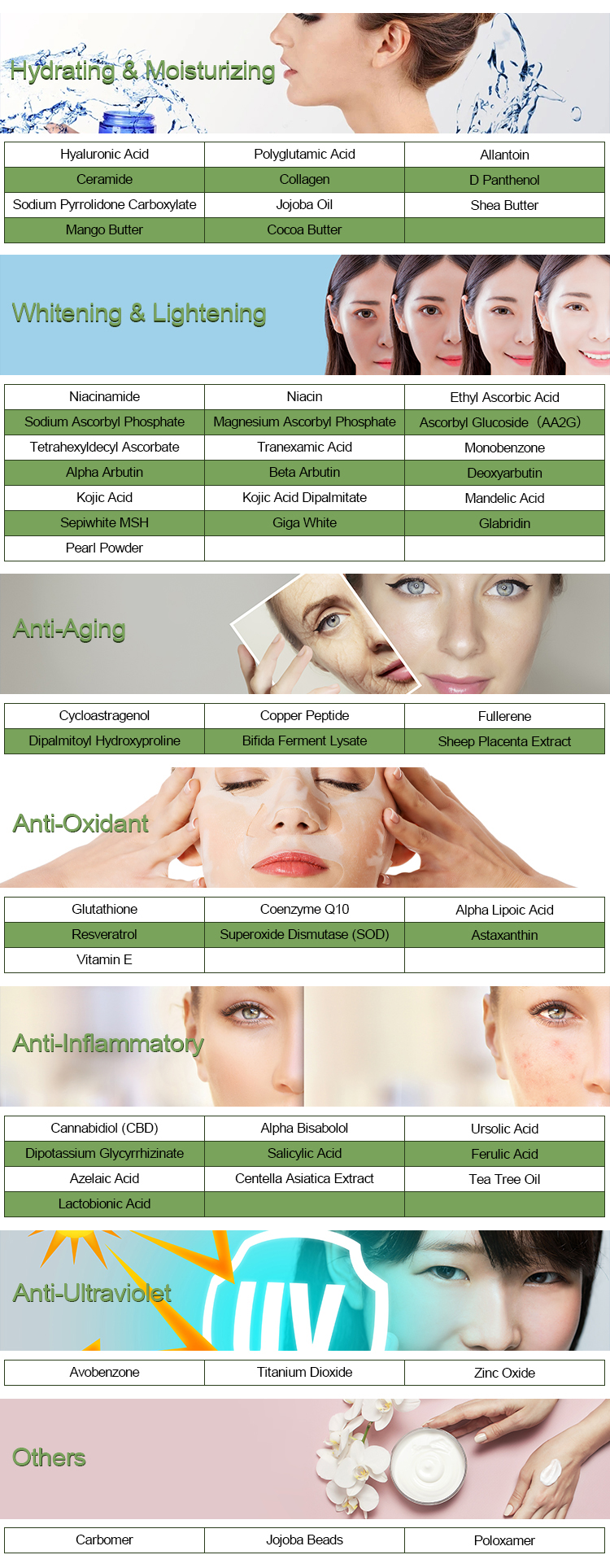
Role of Silk Fibroin in Cosmetics

Common Products Featuring Silk Fibroin:

  • Moisturizers and lotions
  • Serums and ampoules
  • Face masks (especially sheet masks)
  • Anti-aging creams
  • Eye creams and masks
  • Lip balms

Overall, silk fibroin is a valuable ingredient in cosmetics because of its ability to hydrate, repair, soothe, and protect the skin, along with its luxurious texture. It appeals to those seeking both effective skincare benefits and a luxurious, sensory experience.

评论

此博客中的热门博文

Basic information of Collagen and Where you can buy Collagen CAS#9064-67-9?

  Collagen   is the most abundant protein in the human body, making up about 30% of the body’s total protein content. It plays a crucial role in providing structure, strength, and elasticity to various tissues and organs, including the skin, bones, tendons, ligaments, blood vessels, and even the cornea of the eyes. Types of Collagen There are at least 28 types of collagen, but the most common types are: Type I:  The most abundant form, found in skin, bones, tendons, and ligaments. Type II:  Found in cartilage and helps provide joint support. Type III:  Found in the skin, muscles, and blood vessels, often present alongside type I collagen. Type IV:  Found in the layers of the skin and the kidneys. Type V:  Found in the cornea of the eye, hair, and placenta. Structure of Collagen Collagen is made up of amino acids, primarily glycine, proline, and hydroxyproline. These amino acids form a triple-helix structure, which provides the tensile strength and...

Comprehensive study on White Willow Extract

Studying   white willow extract   involves exploring its botanical properties, historical uses, active compounds, potential health benefits, and safety considerations. Here’s a comprehensive overview: Botanical Overview: Scientific Name:  Salix alba Common Names:  White willow, European willow Description:  A deciduous tree native to Europe and Asia, known for its slender leaves and grayish bark. Active Compounds: Salicin:  Primary active compound, a natural precursor to salicylic acid. Flavonoids:  Including flavonols and catechins, contributing to antioxidant properties. Phenolic Glycosides:  Various compounds with potential health benefits. Historical Use: Traditional Medicine:  Used for centuries in traditional European and Asian medicine for pain relief, fever reduction, and inflammatory conditions. Health Benefits and Current Research: Pain Relief:  Acts similarly to aspirin in relieving pain and inflammation due to salicin’s conve...

How best to use the Hericium Erinaceus Capsule?

  Hericium erinaceus, commonly known as lion’s mane mushroom, is a type of edible and medicinal mushroom with potential health benefits. Lion’s mane mushroom is often consumed in various forms, including capsules, powders, extracts, and as a whole food. If you have lion’s mane mushroom in capsule form ( Hericium erinaceus capsule ), here are some tips on how to use them effectively: Follow Dosage Instructions:  The dosage can vary depending on the concentration of the active ingredients in the capsules and individual factors such as age, weight, and health condition. Always follow the recommended dosage instructions provided on the product packaging or by a healthcare professional. Consistency is Key:  Like many supplements, lion’s mane may take time to produce noticeable effects. Consistent use over time is often more effective than sporadic usage. Stick to a regular dosing schedule to maximize the potential benefits. Take with Food:  It’s generally recommended to t...