Hydrolyzed Sponge is a bio-derived cosmetic ingredient mainly valued for its exfoliating, delivery-enhancing, and skin-renewal functions. Below is a clear, cosmetic-science–focused overview of its role and efficacy in cosmetic formulations.
1. What Hydrolyzed Sponge Does in Cosmetics
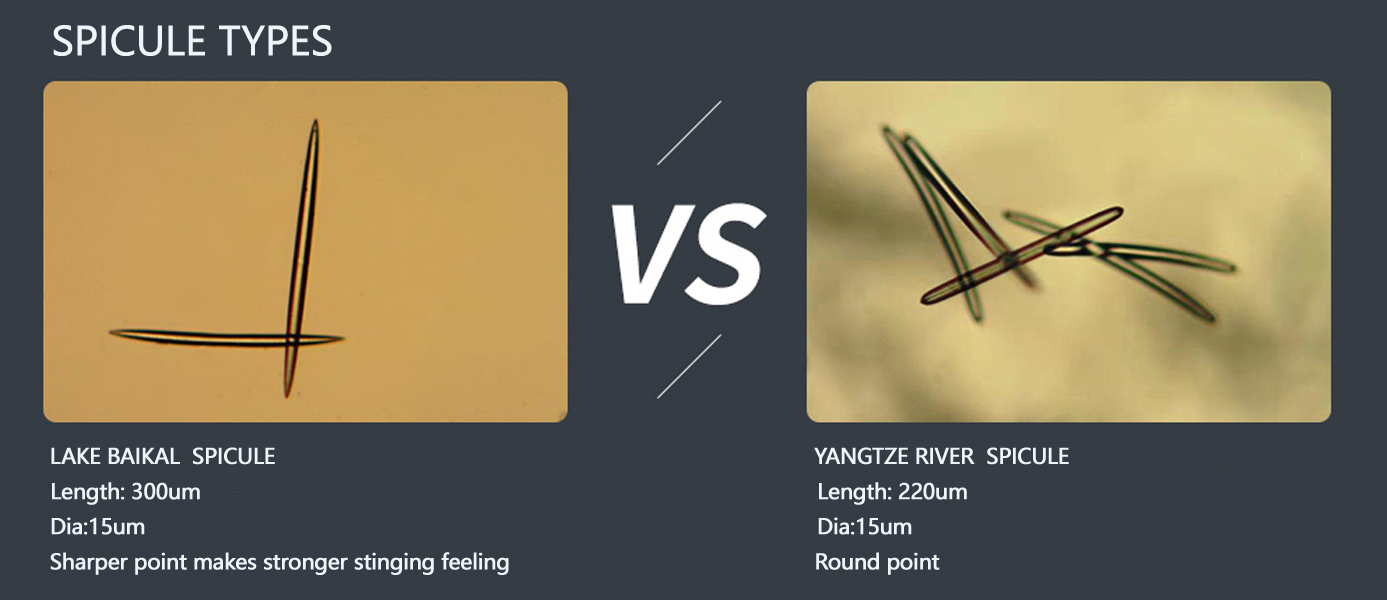
Hydrolyzed Sponge is obtained by processing natural marine sponge into microscopic siliceous or calcium-based spicules and protein fragments. These components interact with the skin primarily through physical and biological mechanisms rather than chemical reactivity.
2. Main Roles in Cosmetic Formulations
2.1 Physical Exfoliation
Acts as a micro-mechanical exfoliant
Removes dead keratinocytes from the stratum corneum
Improves skin smoothness and clarity
More uniform than natural scrubs (e.g., walnut shell, apricot seed)
Result:
✔ Brighter skin
✔ Reduced roughness
✔ Improved skin texture
2.2 Skin Renewal & Turnover Stimulation
Micro-spicules create controlled micro-stimulation of the epidermis
Encourages cellular renewal and desquamation
Often described as a “non-chemical peel effect”
Result:
✔ Faster epidermal renewal
✔ Fresher-looking skin
✔ Gradual improvement in fine lines and uneven tone
2.3 Transdermal Delivery Enhancement
Creates temporary micro-channels in the stratum corneum
Enhances penetration of:
- Peptides
- Growth factors
- Whitening agents
- Anti-aging actives
Result:
✔ Increased bioavailability of active ingredients
✔ Improved overall formula efficacy
2.4 Sebum and Pore Improvement
Helps clear keratin plugs in pores
Assists in oil regulation through exfoliation
Result:
✔ Visibly smaller pores
✔ Reduced blackheads and congestion
3. Proven and Observed Efficacy
3.1 Short-Term Effects (1–7 days)
Immediate smoothness
Mild tingling or warming sensation
Improved skin radiance
3.2 Medium-Term Effects (2–4 weeks)
Reduced dullness
More even skin tone
Enhanced response to active ingredients
3.3 Long-Term Effects (4–8 weeks)
Improved skin texture
Reduced appearance of fine lines
More refined pores
4. Comparison with Other Exfoliating Ingredients
| Ingredient | Mechanism | Irritation Risk | Added Benefit |
| Hydrolyzed Sponge | Physical micro-spicules | Medium (dose-dependent) | Delivery enhancement |
| AHA/BHA | Chemical exfoliation | Medium–high | pH-dependent |
| Enzymes | Proteolytic | Low | Gentle |
| Scrub particles | Abrasion | High | Low precision |
5. Common Cosmetic Applications
Skin resurfacing serums
Peeling gels and masks
Acne-control products
Brightening treatments
Professional cosmetic treatments
Typical concentration range:
- 0.1–2.0% (leave-on products)
- Higher levels used in professional or rinse-off treatments
6. Safety and Formulation Considerations
Not recommended for:
- Compromised skin barrier
- Active dermatitis
- Very sensitive skin
Often paired with:
- Panthenol
- Centella asiatica
- Allantoin
- Hyaluronic acid
Formulation tip:
Post-application sun protection is strongly recommended.
7. Overall Cosmetic Value
Hydrolyzed Sponge is most effective when positioned as:
- A functional exfoliating booster
- A penetration-enhancing system
- A skin-renewal accelerator

Summary of Benefits
✔ Improves skin texture
✔ Enhances active delivery
✔ Promotes visible renewal
✔ Supports multi-benefit formulations
If you’d like, I can also provide:
- Clinical study summaries
- Recommended formulation examples
- Regulatory or INCI considerations
- Comparison with microneedle or spicule technologies
Just tell me how you’d like to use it.
评论
发表评论