Resveratrol and Oxy-resveratrol are both polyphenolic compounds, but they have distinct chemical structures and potentially different biological effects.
Resveratrol
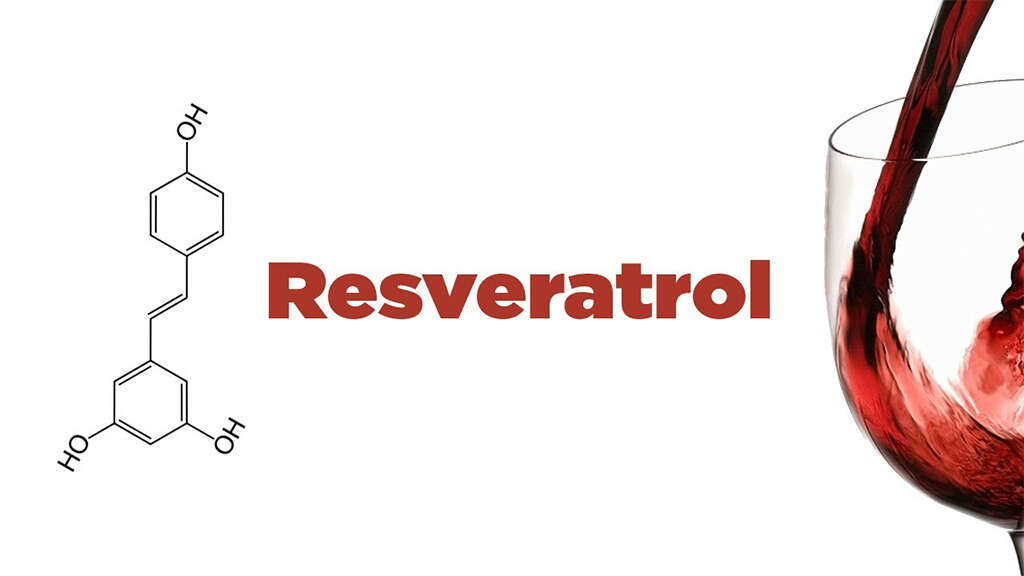
Chemical Structure: Resveratrol is a stilbenoid, which is a type of phenolic compound. It has a structure with two phenolic rings connected by an ethylene bridge.
Sources: It is found in various plants, most notably in the skin of red grapes, berries, peanuts, and some plants used in traditional medicine (like Japanese knotweed).
Mechanisms & Benefits:
- Antioxidant: Resveratrol is known for its antioxidant properties, helping neutralize free radicals and reduce oxidative stress.
- Anti-inflammatory: It has anti-inflammatory effects, which can benefit cardiovascular health and conditions associated with chronic inflammation.
- Cardiovascular Health: It is often credited with supporting heart health by improving endothelial function, reducing blood pressure, and lowering LDL cholesterol oxidation.
- Longevity: Resveratrol has been studied for its potential to activate sirtuins, enzymes that regulate various biological processes related to aging, metabolism, and stress response.
- Neuroprotection: It may have a protective effect on the brain and could potentially reduce the risk of neurodegenerative diseases.
Oxy-Resveratrol
Chemical Structure: Oxy-resveratrol is a derivative of resveratrol with an additional hydroxyl group (-OH) at a specific position on the aromatic ring. This structural modification increases its solubility and potential bioactivity.
Sources: Oxy-resveratrol is found in a variety of plants, including the bark of the Artocarpus tree (jackfruit family) and other Moraceae plants.
Mechanisms & Benefits:
- Stronger Antioxidant Activity: Oxy-resveratrol is believed to be more potent than resveratrol in scavenging free radicals due to its additional hydroxyl group, which may offer enhanced antioxidant properties.
- Anti-inflammatory: Like resveratrol, oxy-resveratrol also exhibits anti-inflammatory effects, potentially offering additional benefits in reducing chronic inflammation.
- Skin Health: Oxy-resveratrol is particularly noted for its skin benefits, including skin whitening and the potential to reduce hyperpigmentation. It inhibits the enzyme tyrosinase, which is involved in melanin production.
- Neuroprotective Effects: Studies have suggested that oxy-resveratrol might be more potent than resveratrol in terms of neuroprotection and improving cognitive function due to its ability to penetrate the blood-brain barrier more effectively.
- Enhanced Bioavailability: Oxy-resveratrol is believed to have higher bioavailability compared to resveratrol, which means the body may be able to absorb and utilize it more efficiently.
Key Differences
- Chemical Structure: Oxy-resveratrol has an additional hydroxyl group compared to resveratrol, enhancing its solubility and potency.
- Bioavailability: Oxy-resveratrol may have better absorption and distribution in the body than resveratrol, leading to potentially greater biological effects.
- Antioxidant Activity: Oxy-resveratrol tends to have stronger antioxidant effects than resveratrol due to its structural modifications.
- Specific Benefits: While both compounds share anti-inflammatory and neuroprotective benefits, oxy-resveratrol is often regarded as superior in skin care applications and may provide additional cognitive and anti-aging benefits due to its enhanced bioavailability and bioactivity.
Conclusion
Both resveratrol and oxy-resveratrol offer significant health benefits, especially as antioxidants and anti-inflammatory agents. However, oxy-resveratrol may provide enhanced bioactivity, especially for skin care and cognitive health, due to its structural differences and higher bioavailability. Resveratrol is still widely studied for its potential longevity and heart-health benefits, but oxy-resveratrol is emerging as a potentially more potent alternative in certain applications.
评论
发表评论