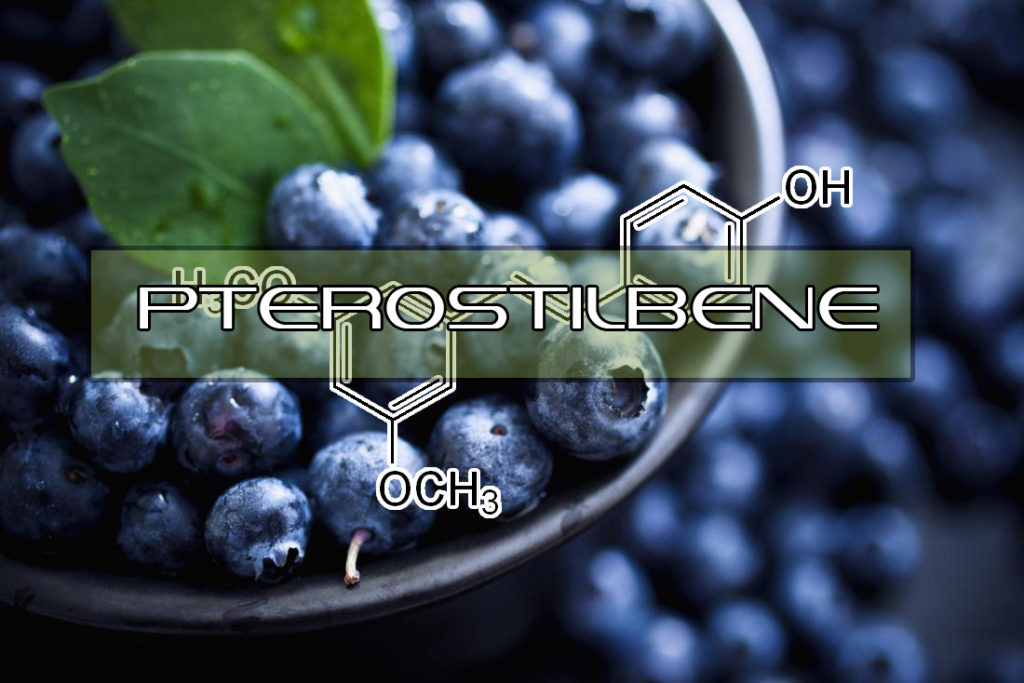
Pterostilbene (3,5-dimethoxy-4′-hydroxystilbene) is a naturally occurring compound found in a variety of plants, most notably in blueberries, and it shares structural similarities with resveratrol. Pterostilbene has gained attention in scientific research due to its potential health benefits, including its antioxidant, anti-inflammatory, anticancer, and neuroprotective properties. Research on pterostilbene spans several areas of biomedical and pharmacological interest. Below are some of the prominent research directions:
1. Antioxidant and Anti-inflammatory Properties
- Oxidative Stress: Pterostilbene has shown significant antioxidant activity in preclinical studies. Its potential to reduce oxidative stress is a major area of focus because oxidative damage is implicated in various chronic diseases, including neurodegenerative disorders, cardiovascular diseases, and aging.
- Anti-inflammatory Effects: Pterostilbene’s ability to modulate pro-inflammatory cytokines and reduce the activation of NF-κB (a key regulator of inflammation) has sparked interest in its potential therapeutic applications in conditions like arthritis, inflammatory bowel disease, and other chronic inflammatory conditions.
2. Neuroprotective Effects
- Cognitive Function and Neurodegenerative Diseases: Pterostilbene has been studied for its potential to improve cognitive function and protect against neurodegenerative diseases like Alzheimer’s and Parkinson’s. Research suggests that pterostilbene may reduce amyloid plaque formation, enhance neuronal survival, and improve brain plasticity.
- Mechanisms of Action: The neuroprotective effects are thought to involve the modulation of oxidative stress, inflammation, and the regulation of pathways such as the SIRT1 (sirtuin 1) pathway, which plays a role in aging and neurodegeneration.
3. Anticancer Potential
- Cancer Cell Proliferation and Apoptosis: Several studies have indicated that pterostilbene may inhibit the growth and proliferation of various cancer cell lines, including breast, prostate, colon, and lung cancer cells. It has been shown to induce apoptosis (programmed cell death) and cell cycle arrest in some cancer models.
- Molecular Pathways: Pterostilbene’s anticancer effects may be attributed to its ability to modulate key signaling pathways, including those involved in cell survival (e.g., PI3K/Akt) and cell death (e.g., caspases).
4. Cardiovascular Health
- Cholesterol-Lowering Effects: Some studies suggest that pterostilbene may have a positive effect on lipid metabolism, potentially lowering LDL cholesterol and triglycerides while increasing HDL cholesterol levels. This makes it an interesting compound for research into cardiovascular diseases like atherosclerosis.
- Vascular Function: Pterostilbene may improve endothelial function, reduce blood pressure, and protect against oxidative damage in blood vessels, all of which could contribute to cardiovascular health.
5. Metabolic Disorders and Diabetes
- Insulin Sensitivity: Pterostilbene has shown promise in improving insulin sensitivity and glucose homeostasis. It may play a role in reducing blood glucose levels and improving metabolic syndrome parameters, such as body weight and lipid profiles.
- Obesity and Fat Metabolism: It has also been studied for its potential effects on fat metabolism, where it might promote the browning of white adipose tissue, an effect that could have implications for obesity treatment.
6. Antimicrobial Properties
- Antibacterial and Antifungal: Some research has focused on pterostilbene’s antimicrobial activity, which includes antibacterial and antifungal effects. This is still an emerging area, with studies exploring how pterostilbene can inhibit the growth of certain pathogens.
7. Bioavailability and Pharmacokinetics
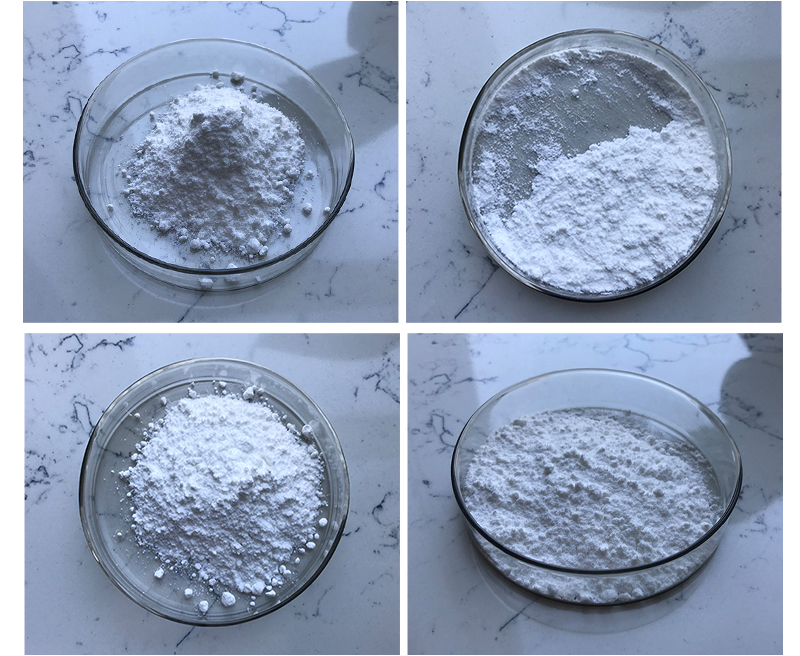
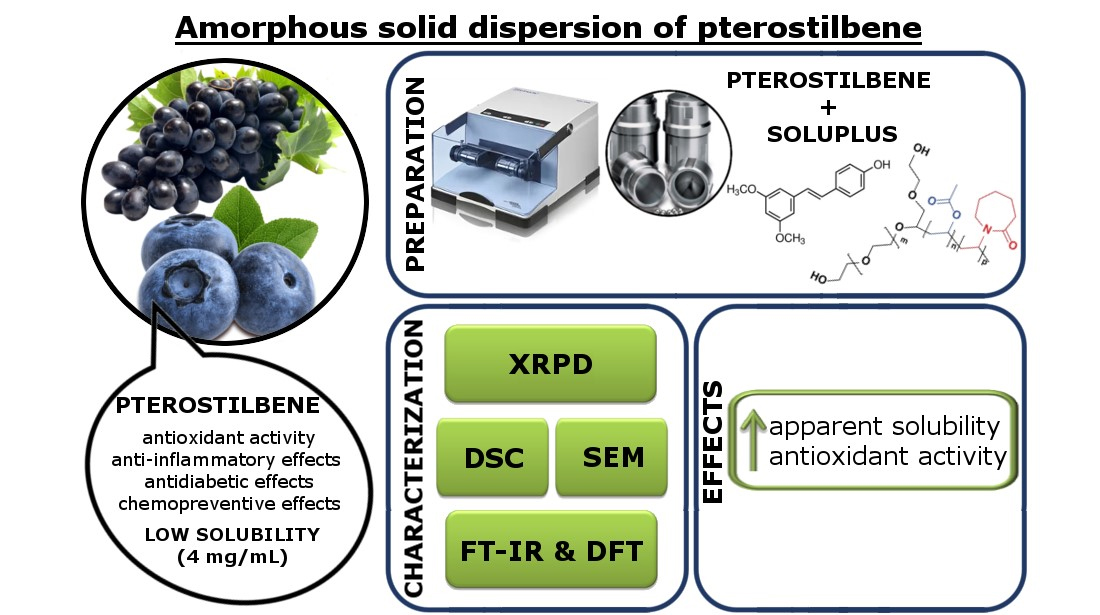
- Improving Bioavailability: One of the challenges in the clinical use of pterostilbene is its relatively low bioavailability, similar to other polyphenols like resveratrol. Researchers are exploring various formulations (e.g., nanoparticles, liposomes, or co-administration with other compounds) to enhance its absorption and therapeutic potential.
- Pharmacokinetic Studies: Understanding how pterostilbene is metabolized and its half-life in the body is crucial for determining appropriate dosages and therapeutic applications.
8. Combination Therapies
- Synergistic Effects: Given its wide range of biological activities, pterostilbene is being studied in combination with other natural compounds or pharmaceuticals to improve efficacy. For example, combinations with curcumin, resveratrol, or other antioxidants could provide synergistic effects in preventing or treating various diseases.
9. Aging and Longevity
- Sirtuins and Aging: Pterostilbene is believed to activate sirtuin pathways, similar to resveratrol, which are involved in cellular longevity and the regulation of aging-related processes. Research is focused on how pterostilbene may extend lifespan or delay age-related diseases.
- Autophagy Activation: Pterostilbene has been shown to have the potential to stimulate autophagy (the cellular process of cleaning out damaged components), which is a key factor in aging and cellular health.
10. Environmental and Agricultural Research
- Plant Protection: Due to its antioxidant and antimicrobial properties, pterostilbene is being investigated for its potential as a natural pesticide or preservative in agricultural practices, reducing the need for synthetic chemicals.
Conclusion
The research on pterostilbene spans multiple promising areas, from its role in preventing chronic diseases to improving metabolic and cognitive health. However, many of these studies are still in the preclinical or early clinical stages, and further research is needed to fully understand its mechanisms of action and therapeutic potential.
评论
发表评论