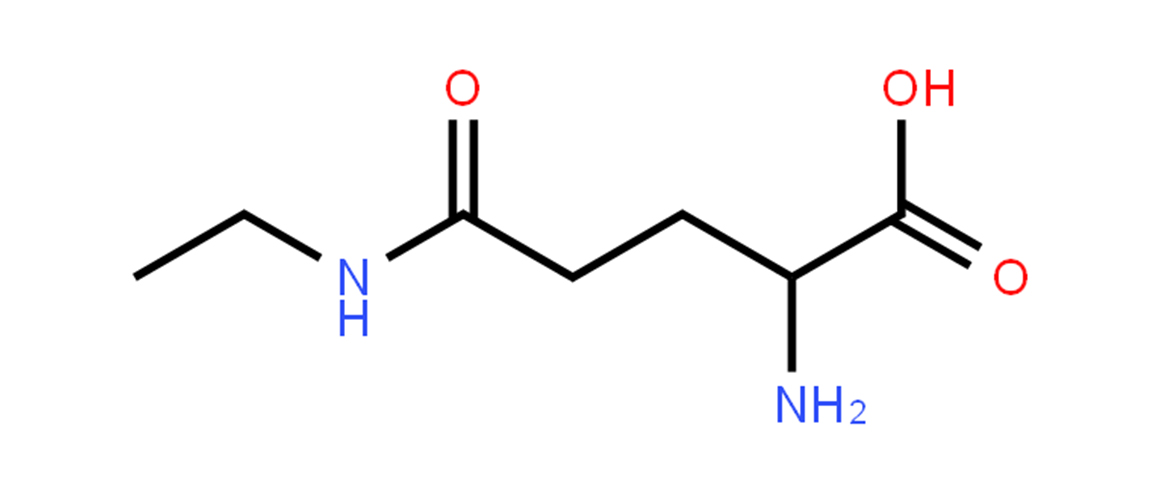
L-theanine is an amino acid primarily found in tea leaves, especially in green tea, and is known for its relaxing and mood-enhancing effects. Research on L-theanine has been focused in several key areas:
1. Cognitive Function and Mental Performance:
- Focus and Attention: Some studies suggest that L-theanine may improve attention, focus, and cognitive performance, especially when taken in combination with caffeine. It is believed that L-theanine helps balance the stimulating effects of caffeine by promoting relaxation without sedation.
- Memory and Learning: Research also indicates that L-theanine may have a positive effect on memory, learning abilities, and executive functions. This has led to investigations into its potential as a cognitive enhancer, particularly for people with neurodegenerative diseases.
2. Stress Reduction and Anxiety Management:
- Relaxation and Anxiety Relief: L-theanine is often studied for its ability to promote relaxation and reduce stress and anxiety. It is thought to increase the production of calming neurotransmitters like GABA (gamma-aminobutyric acid), dopamine, and serotonin.
- Neurochemical Mechanisms: Research has shown that L-theanine influences brain waves, particularly by enhancing alpha waves (associated with relaxed yet alert mental states). It is believed that this effect might be part of the mechanism behind its calming influence.
3. Sleep Quality:
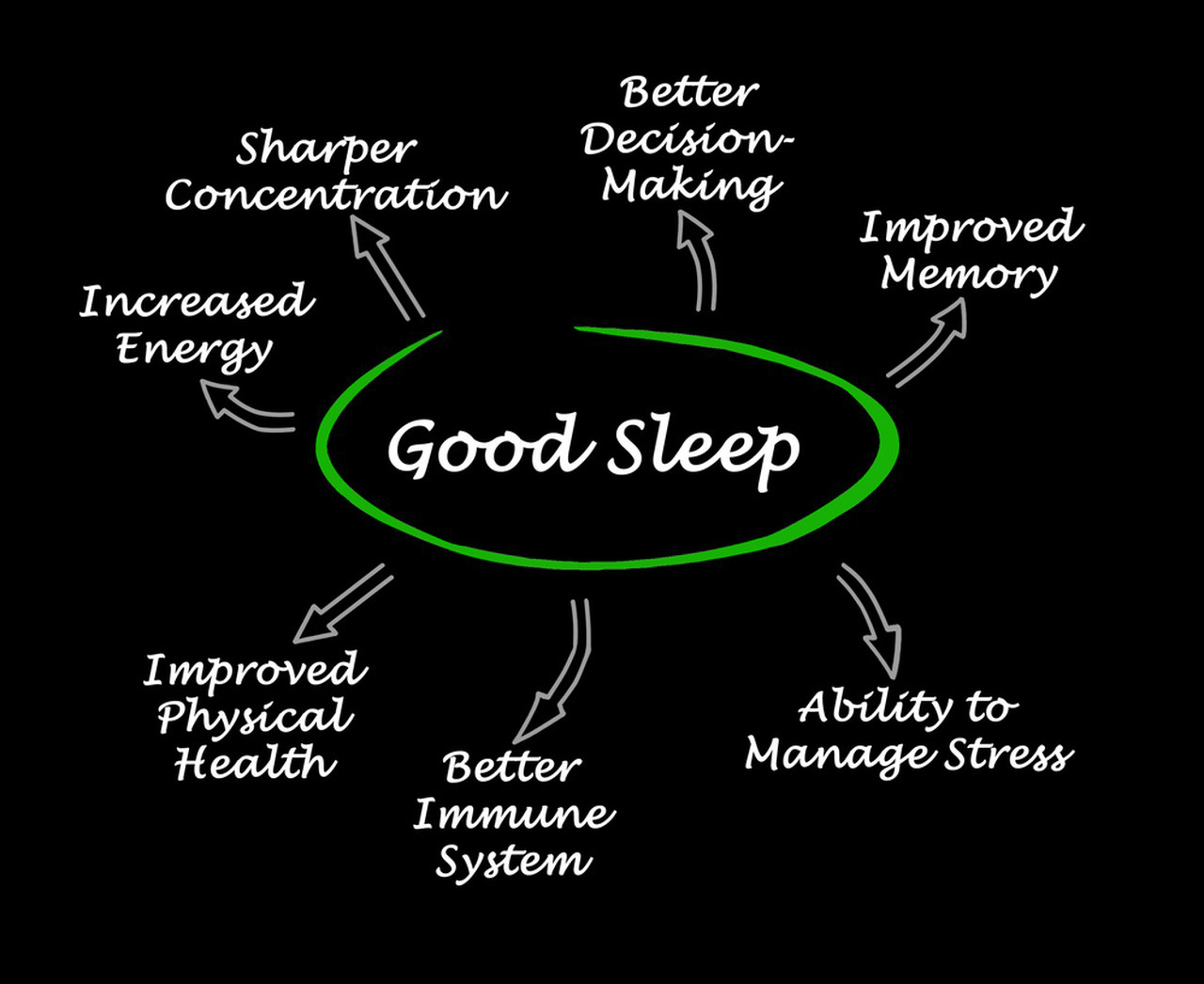
Sleep Enhancement: Although L-theanine does not induce sleep directly, it may improve sleep quality by promoting relaxation and reducing the time it takes to fall asleep. Research has focused on how L-theanine can potentially aid people with insomnia or sleep disturbances.
4. Neuroprotective Effects:
- Antioxidant Properties: Some studies suggest that L-theanine has antioxidant properties, which may help protect the brain from oxidative stress, reducing the risk of neurodegenerative diseases like Alzheimer’s and Parkinson’s.
- Brain Health: L-theanine may support brain health by enhancing the production of brain-derived neurotrophic factor (BDNF), which plays a crucial role in neuronal growth, survival, and plasticity.
5. Mood Enhancement:
- L-theanine has been studied for its potential to improve mood and alleviate symptoms of depression. Its effects are thought to be related to its ability to balance levels of neurotransmitters that influence mood regulation, such as serotonin and dopamine.
6. Cardiovascular Health:
- Blood Pressure Regulation: There is some evidence suggesting that L-theanine can help lower blood pressure, especially in response to stressful situations. It may also improve overall cardiovascular health by promoting relaxation and reducing stress.
7. Synergistic Effects with Other Substances:
- Caffeine: One of the most notable areas of research is the interaction between L-theanine and caffeine. L-theanine is often combined with caffeine to improve cognitive performance while reducing the jitteriness and anxiety that caffeine can sometimes cause.
- Other Supplements: Research is ongoing into the synergistic effects of L-theanine when combined with other nootropic compounds, adaptogens, and even pharmaceuticals for improving mental health and cognitive function.
8. Safety and Dosage:
- Long-Term Use: Most studies suggest that L-theanine is safe with minimal side effects. Research into long-term safety, optimal dosage, and the potential for any adverse interactions with medications continues to be an important aspect of L-theanine research.
Conclusion:
The research on L-theanine is multifaceted, ranging from its impact on cognitive performance and mood regulation to its potential health benefits for reducing stress and supporting neuroprotection. As an increasingly popular supplement, further research will likely continue to explore its therapeutic potential, both alone and in combination with other compounds.
评论
发表评论