Pterostilbene and resveratrol are both polyphenolic compounds that belong to the stilbene family and share similar chemical structures, but there are some important differences in terms of bioavailability, effects, and potential benefits. Here’s a comparison:
1. Chemical Structure and Source
- Resveratrol is found in grapes, red wine, peanuts, and certain berries. It’s well-known for its potential health benefits, particularly related to cardiovascular health and longevity.
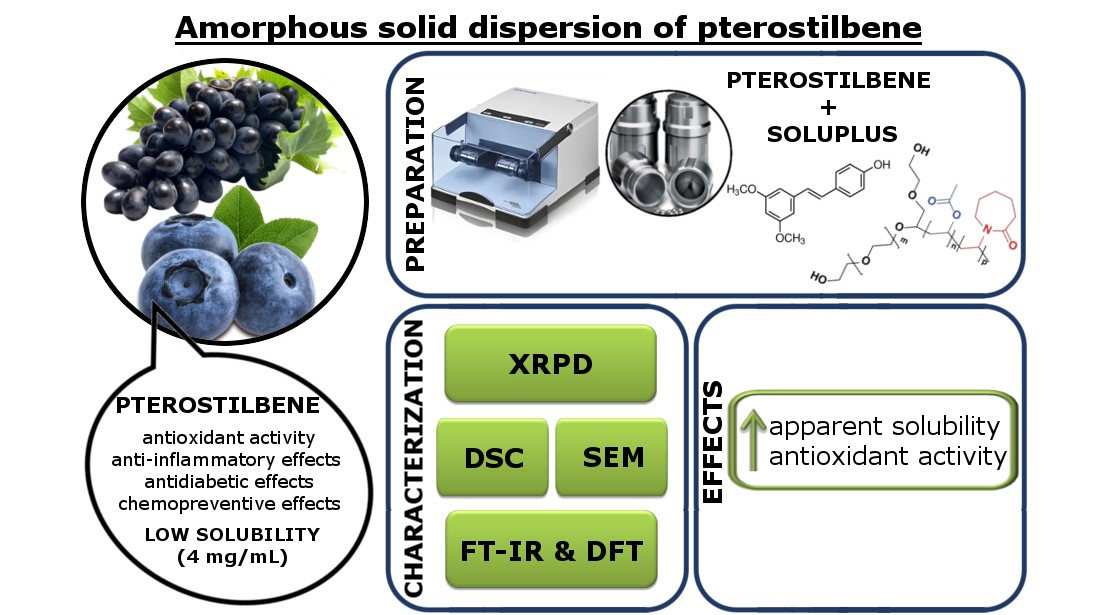
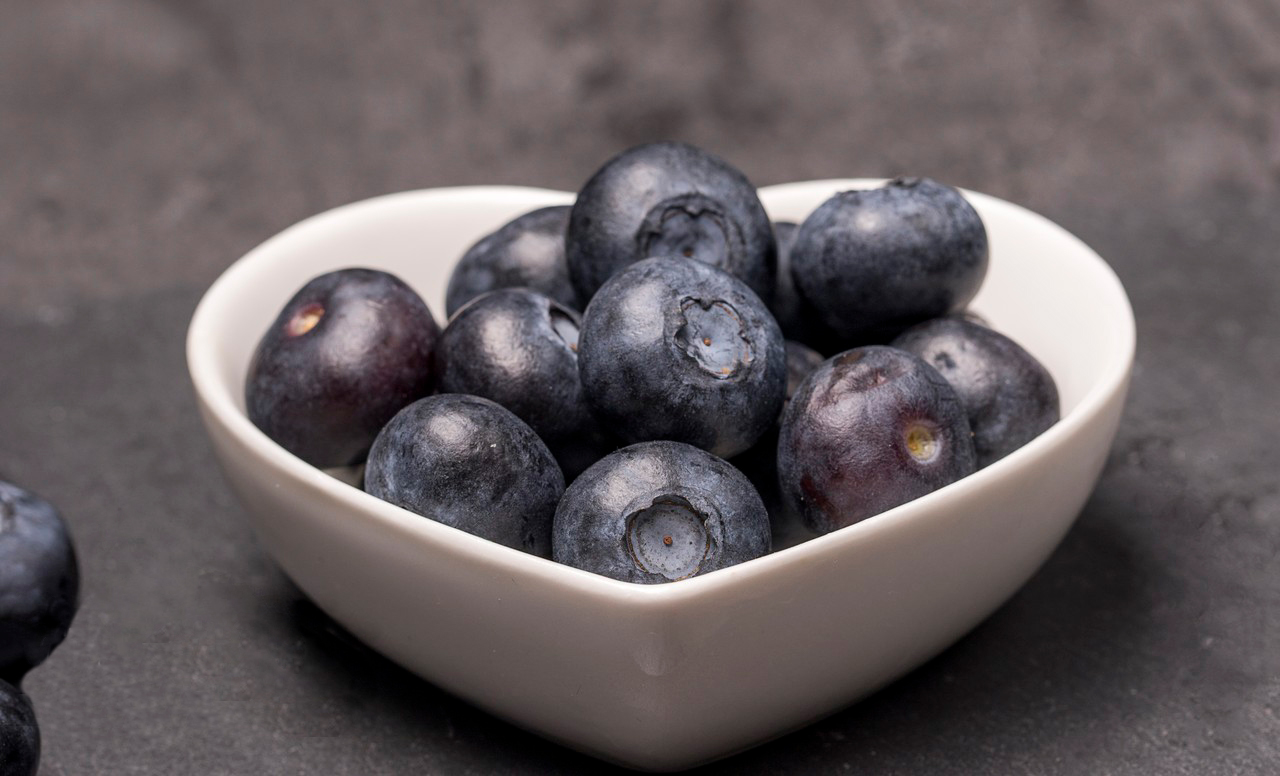
- Pterostilbene is closely related to resveratrol but differs by having two methoxy groups attached to its structure, making it a more bioavailable and stable compound. It is primarily found in blueberries and has gained attention due to its enhanced bioavailability.
2. Bioavailability
- Resveratrol has poor bioavailability, meaning only a small percentage is absorbed when ingested. This is partly due to its rapid metabolism and excretion. As a result, achieving effective blood concentrations of resveratrol often requires higher doses.
- Pterostilbene, on the other hand, has significantly better bioavailability due to its chemical structure. The addition of the methoxy groups makes it more resistant to metabolism, allowing more of it to be absorbed and utilized by the body.
3. Mechanism of Action
Both compounds are believed to have antioxidant and anti-inflammatory properties, but they may affect different biological pathways:
- Resveratrol is known to activate certain longevity-related genes, such as sirtuins, which are involved in cellular repair, stress resistance, and metabolism. It also has anti-inflammatory and cardiovascular benefits.
- Pterostilbene has similar antioxidant and anti-inflammatory effects but may be more effective in some areas due to its enhanced bioavailability. It also appears to have neuroprotective effects, potentially offering cognitive and anti-aging benefits.
4. Health Benefits
Both compounds have been studied for their various potential health benefits, though the evidence for pterostilbene is somewhat newer compared to resveratrol. Here’s a breakdown:
Resveratrol:
- Cardiovascular health: Resveratrol has been shown to improve heart health by reducing oxidative stress, improving endothelial function, and lowering blood pressure.
- Longevity and anti-aging: Resveratrol’s activation of sirtuins is thought to contribute to its potential anti-aging effects by promoting cellular repair and longevity.
- Cancer prevention: Some studies suggest that resveratrol has anticancer properties, although the evidence is still inconclusive.
- Anti-inflammatory: Resveratrol helps reduce inflammation, which is beneficial for conditions like arthritis and metabolic syndrome.
Pterostilbene:
- Cognitive function: Pterostilbene has been shown to have neuroprotective properties, potentially improving memory and reducing cognitive decline in animal studies.
- Metabolic health: It may help regulate blood sugar and cholesterol levels, similar to resveratrol, making it potentially useful for managing metabolic diseases.
- Cancer and inflammation: Like resveratrol, pterostilbene has anti-inflammatory and anticancer properties, although more research is needed to fully understand its effects.
- Antioxidant properties: Pterostilbene is a potent antioxidant, which can help protect cells from oxidative damage.
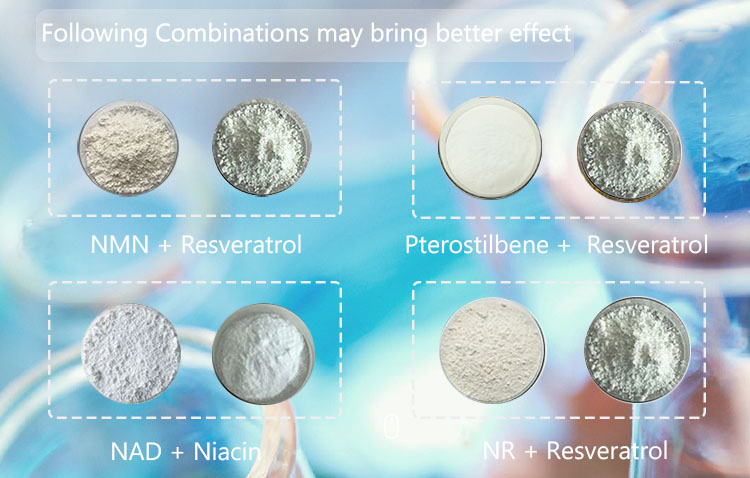
5. Dosage and Safety
- Resveratrol: Typical doses range from 100 mg to 500 mg per day, although higher doses are sometimes used in clinical studies. It’s generally considered safe, though some people may experience gastrointestinal discomfort or allergic reactions.
- Pterostilbene: Since it is more bioavailable, lower doses may be effective, with typical doses ranging from 50 mg to 250 mg per day. It is generally well-tolerated, but more long-term safety studies are needed.
6. Cost
- Resveratrol is relatively inexpensive, especially in its natural form from grapes or supplements.
- Pterostilbene tends to be more expensive due to its more complicated synthesis and superior bioavailability.
Conclusion
- Resveratrol is well-researched and offers significant health benefits, particularly in the areas of cardiovascular health, anti-aging, and inflammation.
- Pterostilbene is newer but may have an edge due to its better bioavailability and potential benefits for cognitive health and metabolic support.
Both compounds show promise, and the choice between the two may depend on factors like desired health benefits, dosage convenience, and cost. If bioavailability and cognitive support are key concerns, pterostilbene may be a more effective option. However, for those primarily interested in cardiovascular and longevity benefits, resveratrol remains a well-established choice.
评论
发表评论