Royal Jelly Powder is a secretion produced by worker honeybees to feed the queen bee and the bee larvae in the hive. It is a highly nutritious substance that has been used for various potential health benefits, although scientific research on its efficacy is somewhat limited. Some of the potential benefits of royal jelly include:
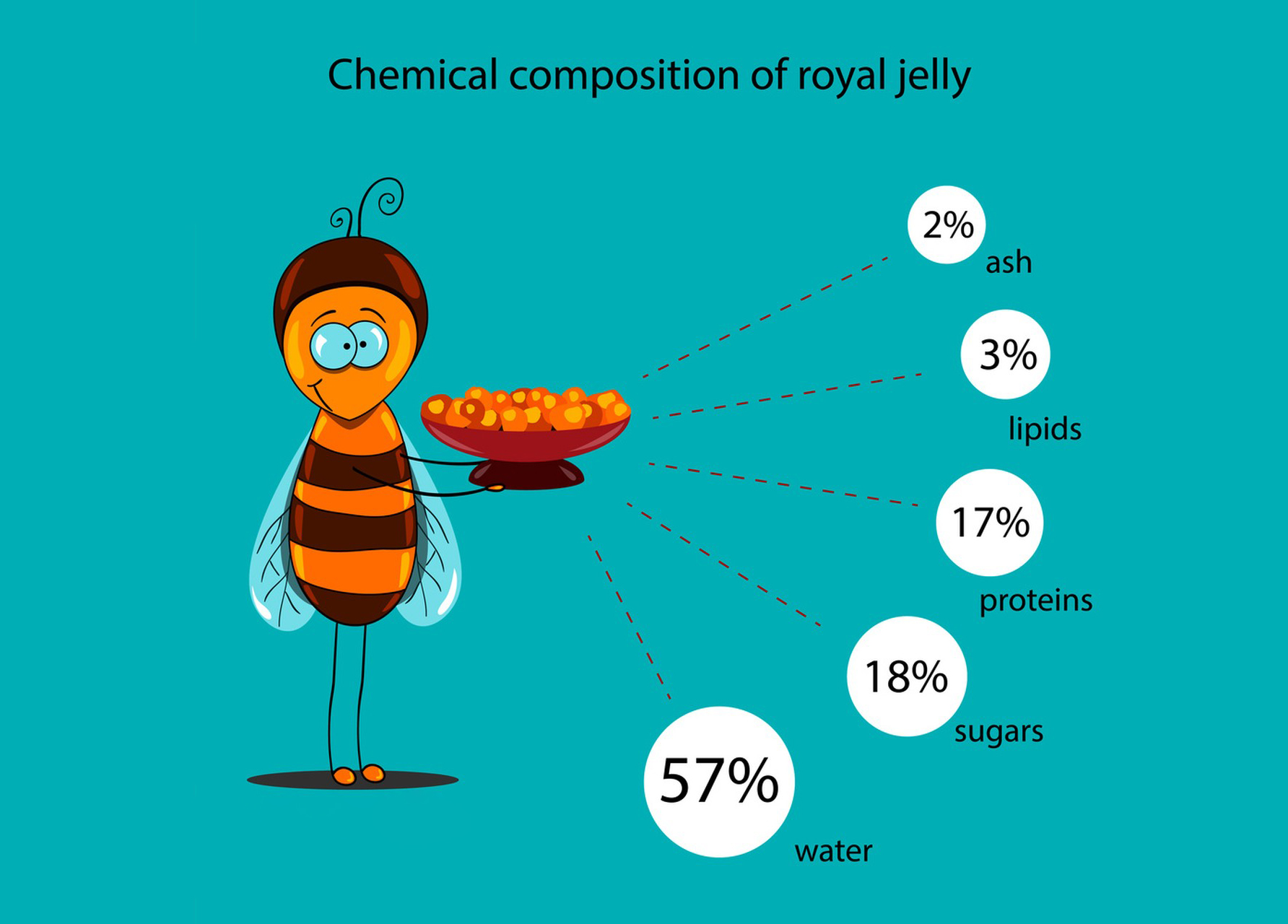
Nutrient-rich: Royal jelly is packed with essential nutrients, including proteins, vitamins (such as B vitamins and vitamin C), minerals (such as calcium and potassium), and amino acids, which can provide an energy boost and support overall health.
Immune system support: Some studies suggest that royal jelly may help support the immune system due to its high levels of antioxidants and anti-inflammatory compounds.
Skin health: Royal jelly is often used in cosmetic products and creams due to its potential skin benefits. It may help improve skin texture, hydration, and collagen production, potentially reducing the signs of aging.
Anti-inflammatory properties: Royal jelly contains compounds that have anti-inflammatory properties, which could be beneficial in reducing inflammation-related conditions.
Cognitive health: Some research indicates that royal jelly may have neuroprotective effects and could potentially support cognitive function. It may help with memory, focus, and mental clarity.
Antioxidant effects: Royal Jelly Powder contains antioxidants that can help neutralize harmful free radicals in the body, potentially reducing the risk of chronic diseases.
Hormone balance: There is some evidence to suggest that royal jelly may help regulate hormonal balance, particularly in menopausal women. It may alleviate some menopausal symptoms.
Wound healing: Some studies suggest that royal jelly might aid in the wound-healing process, possibly due to its anti-inflammatory and antimicrobial properties.
Antibacterial and antifungal properties: Royal jelly contains substances with potential antibacterial and antifungal properties, which may help combat infections.
Energy and vitality: Due to its nutrient content, royal jelly is often touted as an energy booster and vitality enhancer.
It’s important to note that while royal jelly has been used in traditional and alternative medicine for centuries, the scientific evidence supporting many of these benefits is still limited, and more research is needed to establish its efficacy and safety conclusively. Additionally, some individuals may be allergic to royal jelly, and it can cause allergic reactions in some cases. If you’re considering using royal jelly for any health purpose, it’s advisable to consult with a healthcare professional to ensure it’s safe for you and to discuss potential benefits and risks.
Quality and Production of Royal Jelly
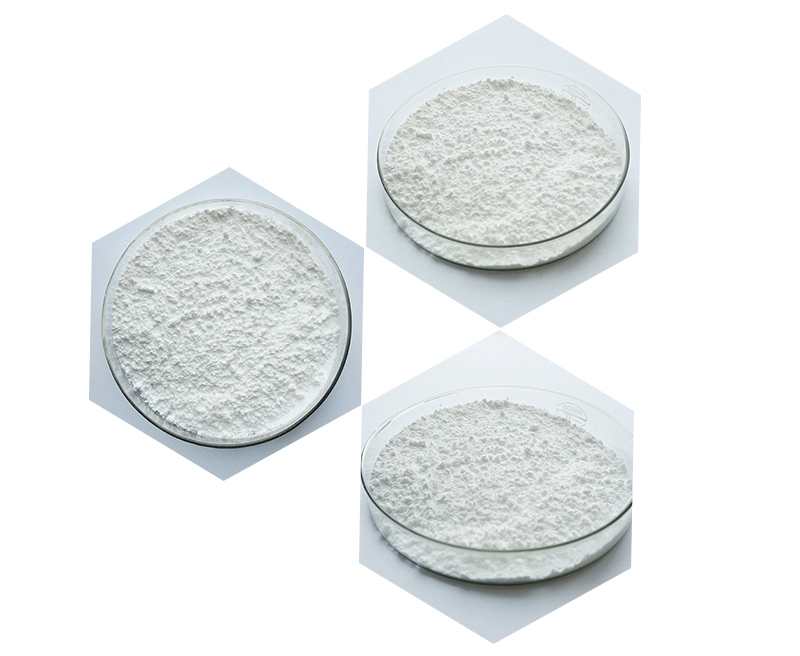
Royal Jelly Powder is a thick, milky substance produced by worker bees and fed to the queen bee throughout her life. It is highly nutritious and is used as the primary food source for queen bees, which contributes to their larger size, longer lifespan, and increased fertility compared to worker bees.
Quality and production of royal jelly involve several important factors:
1.Beekeeping Practices:
Royal jelly is typically collected from beehives in specialized frames or containers that encourage worker bees to produce more of it. It’s essential to maintain healthy and well-cared-for bee colonies to ensure high-quality royal jelly.
2.Timing of Harvest:
The timing of royal jelly harvest is crucial. It is usually collected when worker bees are producing it for the queen bee larvae. Harvesting it too early or too late can result in lower quality royal jelly.
3.Hygiene:
Maintaining strict hygiene during the production and collection process is vital. Beekeepers should use clean equipment and ensure that the royal jelly remains free from contaminants. Containers and tools used for collection should be sterile.
4.Temperature and Storage:
Royal jelly is sensitive to temperature. It should be stored at a low temperature (around 0-5°C or 32-41°F) to prevent spoilage. Proper refrigeration is necessary to maintain its quality.
5.Collection Method:
Royal Jelly Powder can be collected using specialized tools such as a grafting tool, or it can be extracted using centrifugation. The method used can affect the quality and yield of the royal jelly.
6.Quality Control:
Beekeepers and manufacturers often perform quality control tests to check the royal jelly’s purity, freshness, and nutrient content. These tests can include checks for moisture content, protein content, and potential contaminants.
7.Legal and Regulatory Compliance:
Depending on your location, there may be regulations and standards in place regarding the production and sale of royal jelly. Adhering to these regulations is essential for ensuring quality and safety.
8.Packaging:
Proper packaging is crucial to prevent royal jelly from spoiling or deteriorating. It is typically stored in small, airtight containers to maintain its freshness.
9.Nutrient Content:
The quality of Royal Jelly Powder can also be judged by its nutrient content, including its protein levels, amino acids, vitamins, and minerals. High-quality royal jelly should have a rich and balanced nutritional profile.
Royal jelly is known for its potential health benefits and is used in various natural remedies and dietary supplements. It’s essential to source royal jelly from reputable producers who follow best practices in beekeeping and processing to ensure the highest quality product. Additionally, consumers should be cautious and informed when purchasing royal jelly products to ensure their authenticity and quality.
评论
发表评论