Silk fibroin, the main protein found in silk fibers (especially from silkworms), has been studied for its pharmacological and biomedical effects. Here are some of the notable pharmacological properties and applications of silk fibroin:
1. Wound Healing and Tissue Regeneration
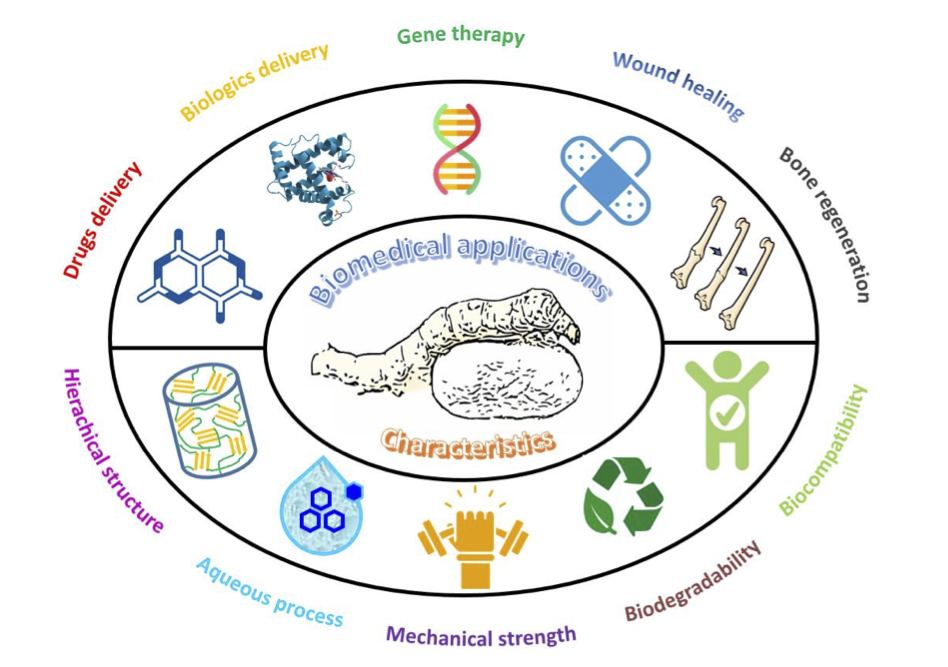
- Wound Healing: Silk fibroin is known to promote wound healing due to its biocompatibility, mechanical strength, and ability to support cell growth. It encourages fibroblast proliferation and collagen synthesis, which are critical for wound closure and tissue regeneration.
- Tissue Engineering: As a biodegradable scaffold material, silk fibroin is used in tissue engineering for bone, cartilage, and skin regeneration. Its slow degradation rate ensures long-lasting support while promoting cell infiltration and tissue formation.
2. Antioxidant Activity
- Silk fibroin has been shown to exhibit antioxidant properties. This can help reduce oxidative stress, which is involved in aging and various chronic diseases. Antioxidants in silk fibroin can scavenge free radicals and prevent cellular damage, potentially supporting skin health and mitigating signs of aging.
3. Anti-inflammatory Effects
- Silk fibroin can help reduce inflammation. It modulates the inflammatory response, which is important in managing conditions such as arthritis, chronic wounds, and skin diseases. This anti-inflammatory effect is partly due to its ability to interact with immune cells and regulate cytokine release.
4. Antimicrobial Properties
- Silk fibroin has demonstrated antimicrobial activity, which can be beneficial in wound care and infection prevention. This is largely attributed to its protein structure and the potential for incorporating antimicrobial agents into silk-based materials, which are used in biomedical applications.
5. Drug Delivery System
- Silk fibroin is a promising material for drug delivery systems due to its ability to form stable nanoparticles, hydrogels, or films. The protein can encapsulate various drugs, including anticancer agents, antibiotics, and growth factors, protecting them from degradation and controlling their release over time.
- The biocompatibility of silk fibroin makes it suitable for sustained-release formulations, allowing for targeted and prolonged drug delivery.
6. Bone Regeneration
- Silk fibroin has been explored for use in bone regeneration due to its osteoconductive properties. It serves as a scaffold for bone cells, allowing them to grow and form bone tissue. Additionally, when combined with other bioactive substances like growth factors or calcium phosphate, it enhances osteogenesis.
7. Neuroprotective Effects
- Some studies suggest that silk fibroin may have neuroprotective effects. It may help in protecting neurons from damage caused by oxidative stress or inflammation, which could have potential applications in neurodegenerative diseases such as Alzheimer’s or Parkinson’s disease.
8. Cancer Therapy
- Due to its biocompatibility and ability to encapsulate drugs, silk fibroin is being researched for use in targeted cancer therapies. Silk fibroin nanoparticles can be used to deliver anticancer drugs directly to tumor sites, reducing side effects and improving treatment efficacy.
9. Anti-viral Activity
- Silk fibroin has demonstrated some antiviral properties, though this is an area still under investigation. Its ability to interact with viral particles or host cells could help in preventing viral entry or replication.
10. Biomedical Coatings
- Silk fibroin is used as a coating material for medical devices, prosthetics, and implants due to its ability to improve biocompatibility and reduce immune rejection. It can also serve as a barrier to prevent bacterial adhesion, which is crucial for reducing infections associated with implanted medical devices.
Conclusion
Silk fibroin is a versatile biomaterial with a range of pharmacological effects, particularly in wound healing, drug delivery, tissue regeneration, and as a potential therapeutic agent for various diseases. Its applications continue to expand as research into its properties and benefits progresses.
评论
发表评论