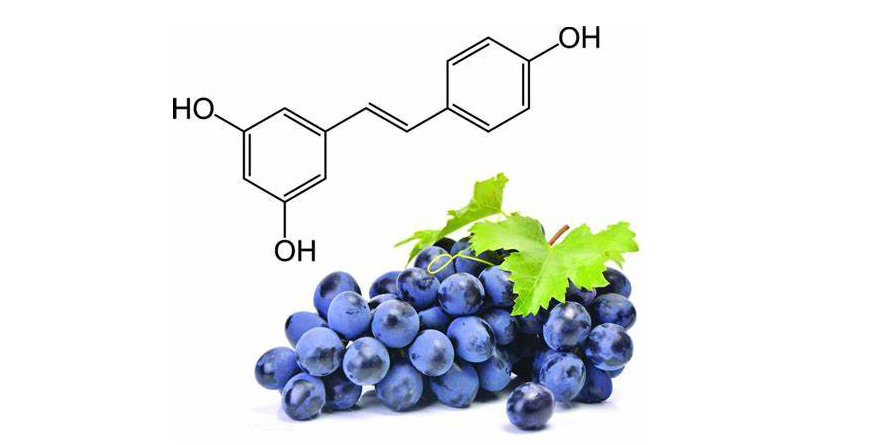
Resveratrol is a polyphenolic compound found in various plants, including grapes, berries, and peanuts. It is particularly known for its presence in red wine and has garnered attention for its potential health benefits. The pharmacological actions of resveratrol are varied and involve multiple biological mechanisms. Some of its key actions include:
1. Antioxidant Activity
- Mechanism: Resveratrol has powerful antioxidant properties, which help neutralize free radicals and reduce oxidative stress. This can help protect cells from damage that may contribute to aging, cancer, and cardiovascular diseases.
- Implication: By scavenging reactive oxygen species (ROS), resveratrol can contribute to a reduction in cellular aging and lower the risk of chronic diseases associated with oxidative damage.
2. Anti-inflammatory Effects
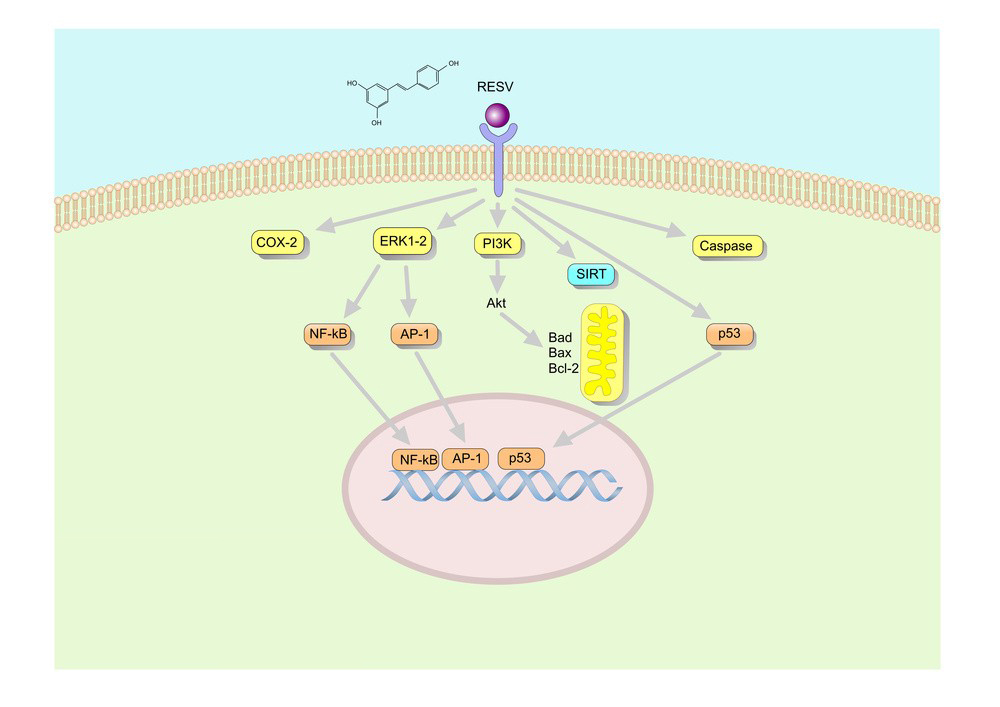
- Mechanism: Resveratrol inhibits the activation of several pro-inflammatory signaling pathways, including NF-κB (nuclear factor kappa-light-chain-enhancer of activated B cells), which plays a key role in the inflammatory response. It also affects the production of inflammatory mediators like cytokines and prostaglandins.
- Implication: These anti-inflammatory effects may help in conditions such as arthritis, cardiovascular diseases, and neurodegenerative diseases.
3. Cardiovascular Protection
- Mechanism: Resveratrol has been shown to improve endothelial function, reduce LDL cholesterol oxidation, and enhance the expression of endothelial nitric oxide synthase (eNOS), leading to better blood vessel function and improved blood flow. It also exerts an anticoagulant effect by inhibiting platelet aggregation.
- Implication: These actions contribute to its cardiovascular protective effects, potentially lowering the risk of atherosclerosis, hypertension, and myocardial infarction.
4. Cancer Chemoprevention
- Mechanism: Resveratrol has been shown to have anticarcinogenic properties by modulating various cellular processes involved in cancer development, such as cell proliferation, apoptosis, and metastasis. It can inhibit the growth of cancer cells through multiple mechanisms, including the regulation of tumor suppressor genes and oncogenes.
- Implication: Resveratrol has been studied for its potential to prevent the initiation and progression of cancers, including breast, prostate, and colon cancers.
5. Neuroprotective Effects
- Mechanism: Resveratrol exhibits neuroprotective properties by modulating pathways involved in neuronal survival, such as reducing oxidative stress, inflammation, and excitotoxicity. It also has a positive effect on mitochondrial function and may protect against neurodegenerative diseases like Alzheimer’s and Parkinson’s.
- Implication: These effects suggest that resveratrol could be beneficial in preventing or slowing the progression of neurodegenerative disorders.
6. Metabolic Regulation
- Mechanism: Resveratrol activates SIRT1 (a sirtuin enzyme), which is involved in the regulation of metabolism, inflammation, and aging. It also influences the expression of genes related to fat metabolism, insulin sensitivity, and glucose homeostasis.
- Implication: Resveratrol may have beneficial effects on metabolic diseases, including type 2 diabetes, obesity, and metabolic syndrome.
7. Anti-Aging Effects
- Mechanism: Resveratrol is believed to mimic the effects of caloric restriction by activating the SIRT1 pathway, which is associated with increased lifespan in various organisms. It may enhance cellular repair mechanisms and promote autophagy (the process by which cells clean out damaged components).
- Implication: It may contribute to lifespan extension and improvements in age-related conditions, including cognitive decline and frailty.
8. Antiviral and Antibacterial Properties
- Mechanism: Some studies suggest that resveratrol has antiviral and antibacterial activities, possibly by disrupting the viral or bacterial lifecycle or inhibiting their replication.
- Implication: This may offer a potential therapeutic role in infections, though more research is needed to confirm clinical efficacy.
9. Hormonal Modulation
- Mechanism: Resveratrol can bind to estrogen receptors, exhibiting estrogenic activity in certain tissues. This action may have implications for women’s health, particularly in conditions such as breast cancer and menopausal symptoms.
- Implication: It may have potential as an alternative or adjunct therapy for estrogen-related diseases.
10. Apoptosis and Autophagy Modulation
- Mechanism: Resveratrol can induce apoptosis (programmed cell death) in cancerous cells and protect normal cells from stress-induced apoptosis. Additionally, it promotes autophagy, a cellular process that removes damaged organelles and proteins.
- Implication: These effects contribute to its role in cancer prevention and potentially in the protection against aging-related diseases.
Conclusion
Resveratrol is a multi-target compound with potential therapeutic applications across a broad spectrum of health conditions. However, despite promising preclinical data, its clinical efficacy in humans remains a topic of ongoing research. Its bioavailability is limited due to rapid metabolism, which is a challenge for its therapeutic use, though various strategies (e.g., nanotechnology, formulation improvements) are being explored to enhance its delivery and effectiveness.
评论
发表评论