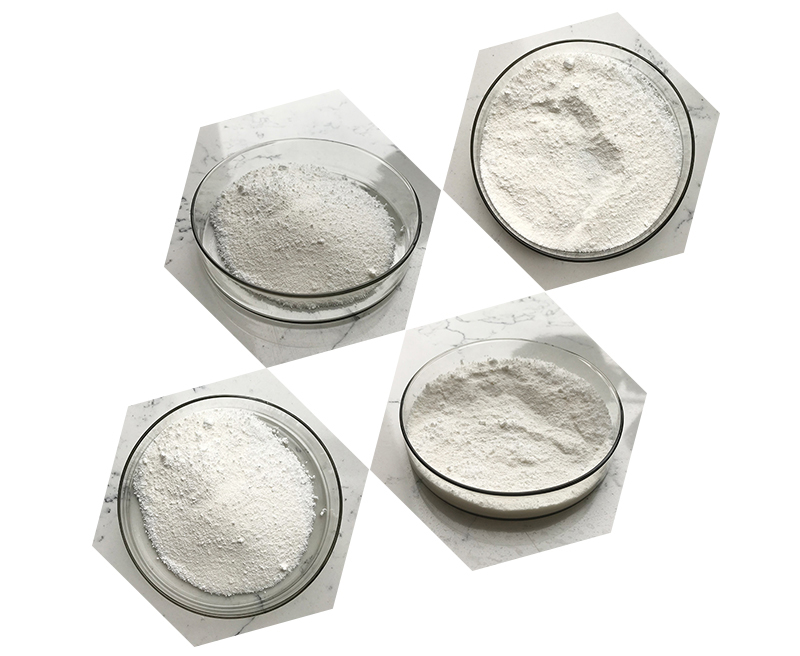
Polyglutamic acid (PGA) is a naturally occurring polymer of the amino acid glutamic acid. It is often used in pharmaceutical, biomedical, and cosmetic applications. Its pharmacological actions are mainly related to its molecular structure, its interaction with water, and its role in various biochemical pathways. Here’s an overview of the pharmacological actions and uses of polyglutamic acid:
1. Hydration and Moisturization:
- Action: Due to its ability to retain water, polyglutamic acid is commonly used in skincare and cosmetic formulations as a hydrating agent. It has a higher water-binding capacity than hyaluronic acid, making it an effective moisturizer that helps maintain skin hydration and improve skin elasticity.
- Use: Found in facial creams, serums, and moisturizers.
2. Enhancement of Drug Delivery:
- Action: Polyglutamic acid can be utilized as a carrier for drug delivery systems, especially for sustained-release formulations. Its ability to form hydrogels allows for controlled release of therapeutic agents over extended periods.
- Use: Used in drug delivery systems, particularly in cancer therapy (for targeted drug delivery) and in formulations that require slow or controlled release of the active ingredient.
3. Anti-inflammatory Properties:
- Action: Polyglutamic acid has shown potential anti-inflammatory properties, which can be beneficial in treating conditions like arthritis or other inflammatory diseases. It may help to reduce the production of pro-inflammatory cytokines or inhibit the activation of inflammatory pathways.
- Use: Investigated in clinical trials for conditions involving chronic inflammation.
4. Antioxidant Activity:
- Action: Some studies suggest that polyglutamic acid may have antioxidant properties, which could help in protecting cells from oxidative stress and damage. This is particularly relevant in aging and diseases linked to oxidative damage.
- Use: Incorporated in anti-aging products and treatments for oxidative stress-related conditions.
5. Potential Role in Cancer Treatment:
- Action: Polyglutamic acid can be conjugated to certain chemotherapy agents or other biologics for targeted therapy. Polyglutamic acid can help to direct the drug to specific tissues, such as cancer cells, enhancing the effectiveness of treatments while minimizing side effects.
- Use: Investigated as part of targeted therapy in cancer treatments, specifically in enhancing the specificity and bioavailability of chemotherapeutic agents.
6. Biocompatibility and Safety:
- Action: Polyglutamic acid is generally considered biocompatible and safe for use in biomedical applications, including as a tissue scaffold or in drug formulations, because of its natural occurrence in the body and its non-toxic nature.
- Use: Used in tissue engineering, wound healing, and as a biodegradable polymer in medical devices.
7. Stabilization of Proteins and Peptides:
- Action: Polyglutamic acid has the ability to stabilize proteins and peptides, which is useful in the formulation of biologic drugs, including vaccines and protein-based therapeutics.
- Use: Helps improve the stability and shelf-life of protein-based drugs.

Mechanisms of Action:
The pharmacological actions of polyglutamic acid are often linked to its molecular characteristics, such as:
- Hydrophilicity: Polyglutamic acid’s high affinity for water makes it effective at maintaining hydration.
- Polymerization: Its polymeric structure allows it to form gels and networks, which are beneficial for drug encapsulation and release control.
- Interaction with cell surface receptors: It can interact with specific receptors in tissues, enhancing drug absorption or providing targeted therapy.
Conclusion:
Polyglutamic acid is a versatile compound with a wide range of pharmacological actions, including moisturizing, anti-inflammatory, antioxidant, and drug delivery-enhancing effects. It is increasingly used in both pharmaceutical and cosmetic industries due to its beneficial properties and potential therapeutic applications.
评论
发表评论