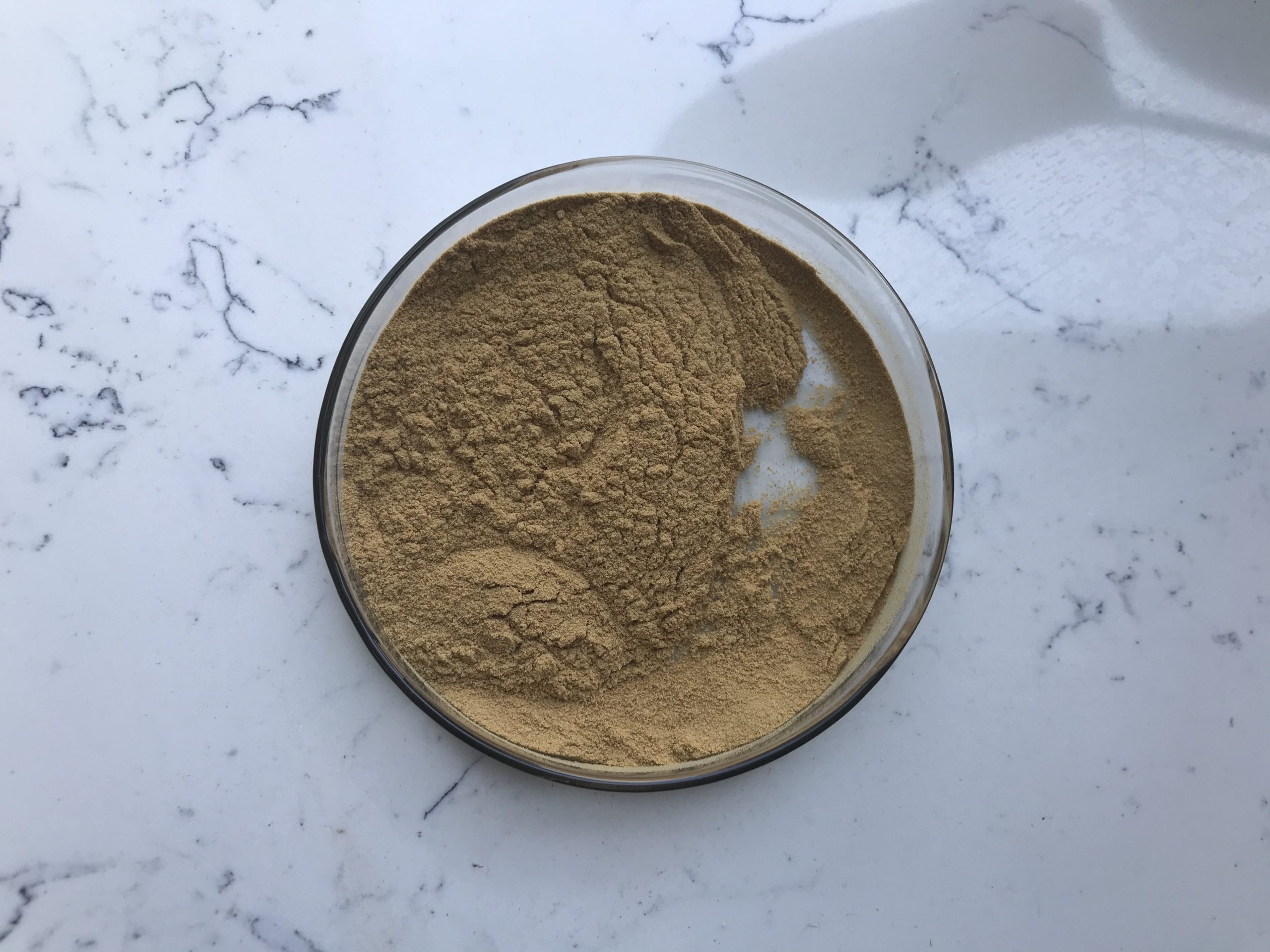
Ginseng extract, derived from the roots of Panax species such as Panax ginseng (Asian ginseng) or Panax quinquefolius (American ginseng), exhibits a variety of pharmacological actions. These effects are primarily attributed to its active components, particularly ginsenosides (also known as ginseng saponins). Below are the main pharmacological actions of ginseng extract:
1. Adaptogenic Effect
- Ginseng is widely recognized as an adaptogen, helping the body resist physical, chemical, and biological stress.
- It supports homeostasis by modulating the hypothalamic-pituitary-adrenal (HPA) axis and reducing the effects of stress.
2. Cognitive and Neurological Benefits
- Enhances cognitive functions, including memory, attention, and mental clarity.
- Protects neurons from oxidative stress and exhibits neuroprotective effects, potentially useful in conditions like Alzheimer’s disease.
- Improves mood and reduces symptoms of depression and anxiety.
3. Immunomodulatory Activity
- Modulates immune responses by stimulating both innate and adaptive immunity.
- Enhances the activity of natural killer (NK) cells, macrophages, and lymphocytes.
- Shows potential antiviral and anti-inflammatory effects, which are beneficial during infections or chronic inflammatory conditions.
4. Anti-inflammatory Action
- Inhibits pro-inflammatory cytokines and pathways such as NF-κB and COX-2.
- Useful in conditions characterized by chronic inflammation, including arthritis and metabolic syndrome.
5. Antioxidant Properties
- Neutralizes free radicals and boosts endogenous antioxidant systems (e.g., increasing levels of superoxide dismutase and glutathione).
- Reduces oxidative damage to cells and tissues, helping in conditions like cardiovascular diseases and neurodegenerative disorders.
6. Metabolic and Endocrine Effects
- Regulates blood glucose levels by improving insulin sensitivity and enhancing glucose uptake.
- May assist in the management of type 2 diabetes.
- Stimulates metabolism and energy production, supporting physical performance and reducing fatigue.
7. Cardiovascular Effects
- Improves blood circulation by promoting nitric oxide (NO) synthesis, leading to vasodilation.
- Lowers blood pressure and cholesterol levels, offering cardioprotective benefits.
- Reduces platelet aggregation, potentially lowering the risk of thrombosis.
8. Anticancer Activity
- Exhibits cytotoxic effects on various cancer cells by inducing apoptosis and inhibiting cell proliferation.
- Modulates signaling pathways involved in tumor growth and metastasis, such as PI3K/Akt and MAPK pathways.
9. Anti-fatigue and Energy-Boosting Effects
- Enhances physical stamina and reduces fatigue by improving mitochondrial function and energy metabolism.
- Often used as a tonic to combat fatigue in athletes and individuals with chronic fatigue syndrome.
10. Hormonal Effects
- Acts as a mild phytoestrogen, potentially benefiting postmenopausal women by alleviating symptoms like hot flashes and osteoporosis.
- Modulates androgen and other steroid hormone levels, contributing to its aphrodisiac and fertility-enhancing properties.
11. Antimicrobial and Antiviral Effects
- Inhibits the growth of certain bacteria, fungi, and viruses.
- May enhance the efficacy of vaccines and reduce the severity of viral infections, including influenza.
Applications of Ginseng Extract
Due to its diverse pharmacological actions, ginseng extract is used for:
- Stress management and fatigue
- Cognitive enhancement
- Immune system support
- Diabetes and metabolic syndrome
- Cardiovascular health
- Neuroprotection and anti-aging purposes
Dosage and Safety
While ginseng is generally considered safe, excessive use or prolonged intake may cause side effects such as insomnia, headaches, digestive upset, or changes in blood pressure. It is advisable to consult a healthcare provider for appropriate dosing and to avoid interactions with medications like anticoagulants, antidiabetics, and immunosuppressants.
评论
发表评论