Arachidonic Acid (AA) is a polyunsaturated omega-6 fatty acid that plays a critical role in various physiological processes. It is an essential fatty acid, meaning that the human body cannot synthesize it and must obtain it from the diet.
Once ingested or released from cell membranes, Arachidonic Acid can undergo metabolism through two major pathways: the cyclooxygenase (COX) pathway and the lipoxygenase (LOX) pathway. These pathways lead to the synthesis of various bioactive lipid mediators, including prostaglandins, thromboxanes, leukotrienes, and lipoxins. These lipid mediators are potent signaling molecules that exert diverse pharmacological effects throughout the body.

1.Prostaglandins and Thromboxanes: Produced via the cyclooxygenase (COX) pathway, prostaglandins and thromboxanes are involved in various physiological functions, such as inflammation, fever, pain sensation, and regulation of blood flow and platelet aggregation. They also play a role in protecting the gastrointestinal mucosa and maintaining renal blood flow.
2.Leukotrienes: Synthesized via the lipoxygenase (LOX) pathway, leukotrienes are potent mediators of inflammation, particularly in conditions like asthma and allergic reactions. They cause bronchoconstriction and increased mucus production in the respiratory tract.
3.Lipoxins: Also produced via the LOX pathway, lipoxins are anti-inflammatory lipid mediators that help resolve inflammation and promote tissue repair.
The pharmacological actions of Arachidonic Acid and its metabolites can be both beneficial and harmful depending on the context. In normal physiological processes, these lipid mediators play crucial roles in maintaining homeostasis. However, dysregulation of the Arachidonic Acid metabolism pathway can contribute to various diseases, including inflammation-related disorders, cardiovascular diseases, and certain cancers.
Pharmacological interventions targeting the Arachidonic Acid pathway have been developed to manage various conditions. Nonsteroidal anti-inflammatory drugs (NSAIDs) like aspirin and ibuprofen inhibit COX enzymes, reducing prostaglandin synthesis and providing pain relief. Additionally, medications targeting leukotrienes are used to manage asthma and other allergic conditions. However, these drugs need to be used with caution as they can have potential side effects due to their broad effects on the Arachidonic Acid pathway throughout the body.
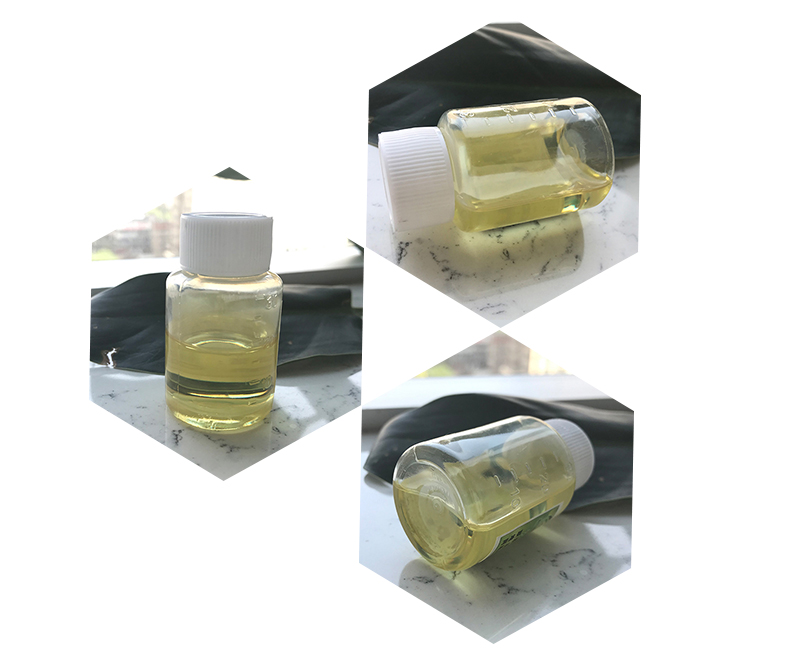
Benefits of Arachidonic Acid
Arachidonic Acid (AA) is an essential omega-6 fatty acid found in the membranes of cells in the human body. It serves as a precursor to various bioactive compounds, including prostaglandins, thromboxanes, and leukotrienes. These compounds play essential roles in regulating various physiological processes and have several potential benefits:
Inflammatory response: Arachidonic Acid is involved in the production of prostaglandins and leukotrienes, which are important mediators of the inflammatory response. While inflammation is a natural defense mechanism of the body, excessive or chronic inflammation can lead to various health issues. Adequate levels of Arachidonic Acid are necessary for maintaining a balanced inflammatory response.
Immune function: Arachidonic Acid-derived eicosanoids also play a crucial role in modulating the immune system. They help regulate immune cell activity, promoting an appropriate response to infections and diseases.
Cognitive function: Arachidonic Acid is present in high concentrations in the brain and has been linked to cognitive function and brain development. It is essential for maintaining the integrity of cell membranes in the brain and may influence neurotransmitter function.
Skin health: Arachidonic Acid is a component of cell membranes in the skin. It is involved in maintaining the skin’s barrier function, which is essential for preventing water loss and protecting the skin from external factors.

Muscle growth and repair: Arachidonic Acid has been implicated in promoting muscle growth and aiding in muscle repair after exercise-induced damage. Some fitness enthusiasts and bodybuilders use Arachidonic Acid supplements with the idea that it may enhance exercise recovery and muscle gains.
Cardiovascular health: While excessive levels of Arachidonic Acid can contribute to inflammation and increase the risk of cardiovascular disease, appropriate levels of Arachidonic Acid are necessary for normal cardiovascular function. It is involved in the regulation of blood vessel dilation and blood clotting processes.
Cell signaling: Arachidonic Acid is an important component of cell membranes, and it also serves as a signaling molecule in various cellular processes. It plays a role in intracellular signaling cascades, influencing cell growth, differentiation, and gene expression.
It’s important to note that while Arachidonic Acid has potential benefits, excessive consumption or an imbalanced ratio of omega-6 to omega-3 fatty acids in the diet has been associated with increased inflammation and various health problems. Maintaining a balanced diet that includes a proper ratio of omega-6 to omega-3 fatty acids is crucial for overall health and well-being. Always consult with a healthcare professional before considering any dietary supplements or significant changes to your diet.
评论
发表评论