Origin and Nature of Kava Extract
Kava Extract (Piper methysticum) is a plant native to the Pacific Islands, where it has been cultivated and used for thousands of years, particularly in regions like Fiji, Vanuatu, Tonga, and Samoa. The plant is known for its large, broad leaves and its knobby root system. The root is the part of the plant that is harvested to produce the extract.
Kava has a long history of cultural significance, particularly in traditional ceremonies and social gatherings. The root is typically ground into a powder or a paste and mixed with water to create a drink that is consumed for its calming, sedative effects.
The active compounds in kava are called kavalactones, which are believed to be responsible for its mood-enhancing, anxiolytic (anti-anxiety), and sedative effects. Kava is commonly used to promote relaxation and alleviate anxiety, stress, and insomnia without impairing mental clarity.
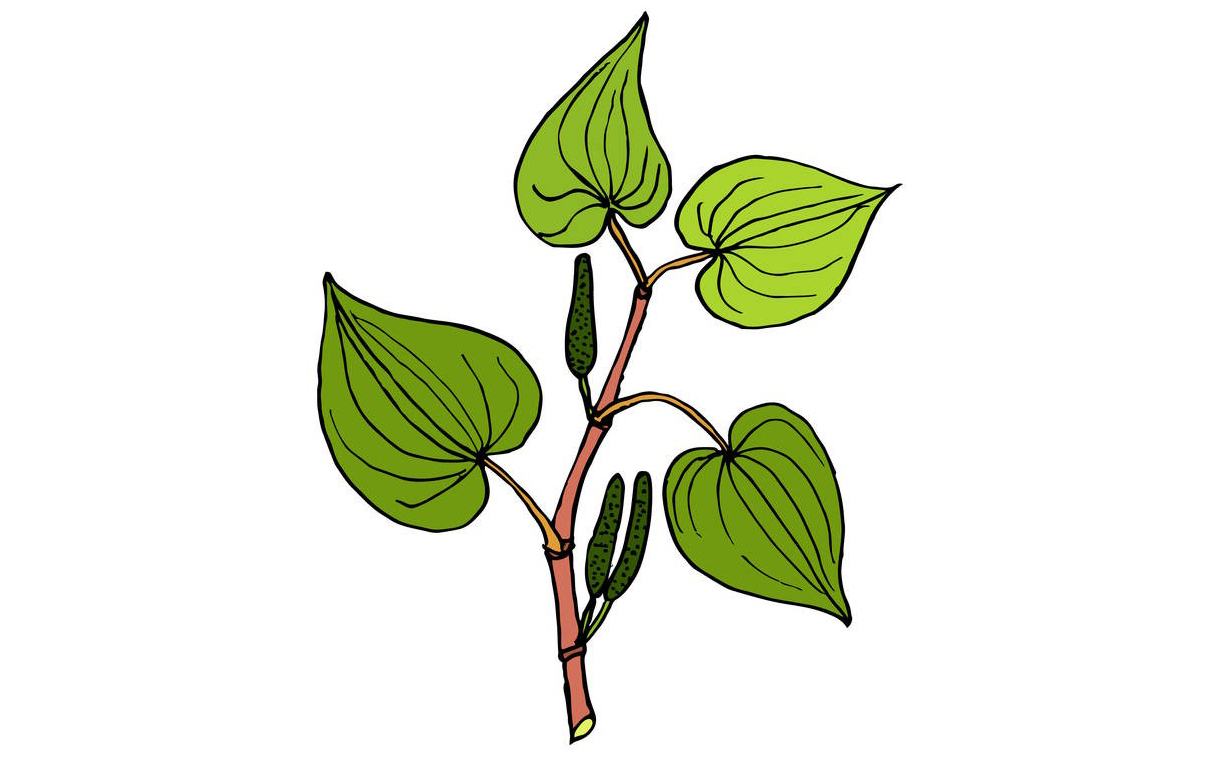
Nature of Kava Extract
Kava extract is typically derived from the root of the kava plant. The extraction process involves the use of solvents (like ethanol or water) to isolate the active kavalactones from the root material. The resulting extract can be found in several forms, including:
- Kava tea: Often made by steeping powdered kava root in water, it has a mildly bitter taste and provides calming effects.
- Kava capsules or tablets: These contain powdered kava root or kava extract, offering a more convenient way to consume it.
- Kava tinctures: Liquid extracts made with alcohol or other solvents, offering a potent concentration of kavalactones.
- Kava powders: The raw or dried root, which can be mixed with water or other liquids.
The extract is typically standardized to contain a specific percentage of kavalactones, which can vary depending on the product. The potency of kava extract can differ depending on how it’s processed and the form it’s in.
Introduction of Kava Extract to the Modern World
The introduction of kava extract to the modern world largely occurred in the 19th and 20th centuries, as Westerners began exploring the customs and plants of the Pacific Islands. However, kava’s global rise in popularity can be traced back to the late 20th century, when its benefits as a natural anxiolytic and relaxant began to be recognized outside of traditional cultures.
Kava became particularly popular in the West in the 1990s when kava-based products, such as capsules, teas, and liquid extracts, began to appear in health food stores and online. It was marketed primarily as a natural alternative to prescription anti-anxiety medications, offering relaxation without the side effects often associated with pharmaceuticals.
In the early 2000s, concerns over kava’s potential liver toxicity emerged, leading some countries (including Germany, Canada, and the U.S.) to regulate or restrict its sale. Despite these concerns, much of the research on kava’s safety has been inconclusive, and ongoing studies have continued to explore its potential benefits and risks. Many modern kava products are carefully prepared to minimize the risk of contamination or improper processing, ensuring a safer experience for users.
Modern Use and Applications
In modern times, kava extract is primarily used for its relaxing and anti-anxiety properties, making it popular among people dealing with stress or mild to moderate anxiety. It has also found use as a natural sleep aid due to its calming effects.
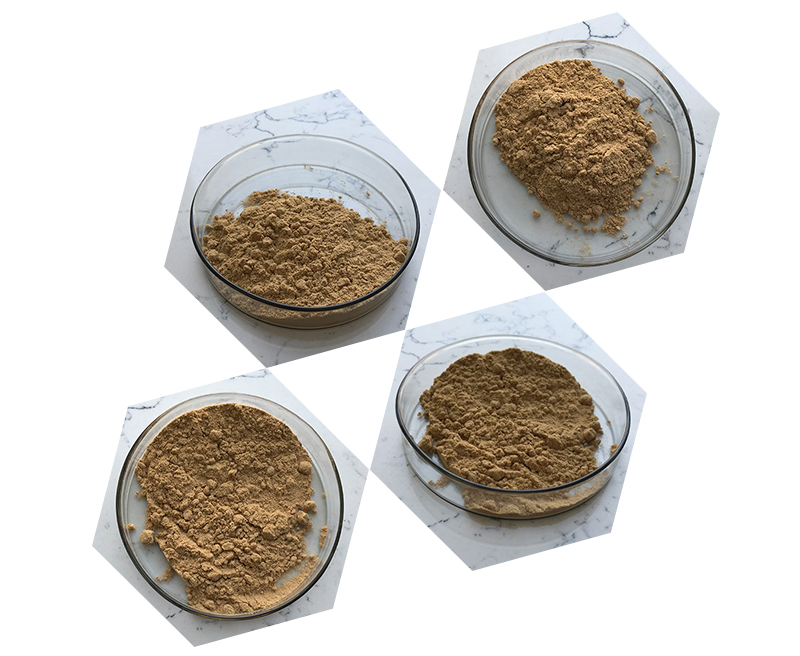
Kava is commonly consumed for the following reasons:
- Reducing anxiety: Kava is one of the most popular natural supplements for anxiety relief. Studies have shown it may have an effect similar to that of benzodiazepines (like Valium), but without the same level of risk for addiction or dependency.
- Promoting relaxation: It is used by many to help with unwinding after a stressful day.
- Improving sleep: Kava is sometimes used as an alternative to over-the-counter sleep aids for people who struggle with insomnia.
Despite its benefits, the safety of long-term kava extract use remains a subject of research, especially in light of concerns about liver health. Proper preparation and adherence to recommended dosages are key to ensuring its safety.
Current Status
Kava continues to be popular worldwide, especially in countries looking for natural alternatives to pharmaceutical treatments for anxiety and stress. As more research emerges, we are gaining a better understanding of how kava works in the body and its potential long-term effects.
评论
发表评论