Ceramide is a class of lipids, or fat molecules, that play a crucial role in various biological functions within the body, particularly in the structure and function of cell membranes. They are an essential component of the skin’s barrier function and are involved in maintaining the integrity and hydration of the skin. Ceramide is widely distributed throughout the body and are found in various tissues, including the skin, brain, and other organs.

Origin of Ceramide:
Ceramide is synthesized within cells through a complex process known as de novo ceramide synthesis. The primary building blocks for ceramide synthesis are fatty acids and sphingosine, a type of amino alcohol. The process involves several enzymatic reactions, occurring primarily in the endoplasmic reticulum and Golgi apparatus of cells. The specific enzymes involved in ceramide synthesis include serine palmitoyltransferase (SPT), ceramide synthase, and other lipid-modifying enzymes. Once synthesized, ceramides can be further metabolized into various ceramide species with distinct functions.
Nature and Functions of Ceramide:
Ceramides have diverse functions within the body:
- Cell Membrane Structure: Ceramide is a major component of cell membranes, especially in the outermost layer of the epidermis (the outer layer of the skin). They contribute to the bilayer structure of cell membranes, providing stability, integrity, and fluidity to the membrane. This is critical for the cell’s ability to maintain its shape and perform its functions.
- Skin Barrier Function: In the skin, ceramides play a vital role in the formation and maintenance of the stratum corneum, the outermost layer of the epidermis. The stratum corneum acts as a protective barrier that prevents excessive water loss from the body and protects against environmental factors. Ceramides help to cement skin cells together, ensuring the barrier’s integrity and preventing the entry of harmful substances.
- Cell Signaling: Ceramides also function as signaling molecules involved in various cellular processes, including cell growth, differentiation, apoptosis (programmed cell death), and inflammation. They participate in cellular responses to stress, such as oxidative stress or cellular damage, by regulating pathways that influence cell survival or cell death.
- Metabolism: Ceramides have been implicated in metabolism, particularly in the context of insulin resistance and metabolic disorders. Elevated levels of ceramides in tissues like muscle and liver have been associated with insulin resistance and the development of type 2 diabetes.
- Neuronal Function: Ceramide is present in the nervous system, where they play a role in neuronal signaling and the formation of myelin sheaths, which insulate nerve fibers and facilitate efficient nerve signal transmission.
- Cancer: Ceramides can also have implications in cancer biology, affecting cell survival and apoptosis. Their role in cell signaling can influence the growth and progression of cancer cells.
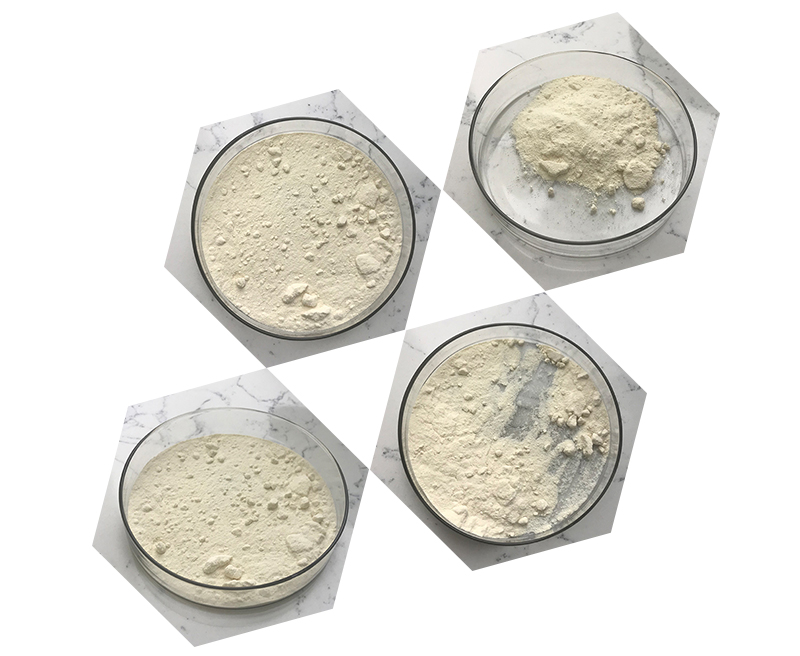
Ceramides’ multifaceted roles underscore their importance in various physiological and pathological processes. Research into ceramide biology continues to provide insights into their functions and potential therapeutic applications in areas such as skin care, metabolic disorders, neurodegenerative diseases, and cancer.
评论
发表评论