Bacillus pumilus is a species of bacteria that has several practical applications. It is commonly used in biotechnology, agriculture, and environmental remediation due to its various beneficial properties. Here are some common ways to use Bacillus pumilus:
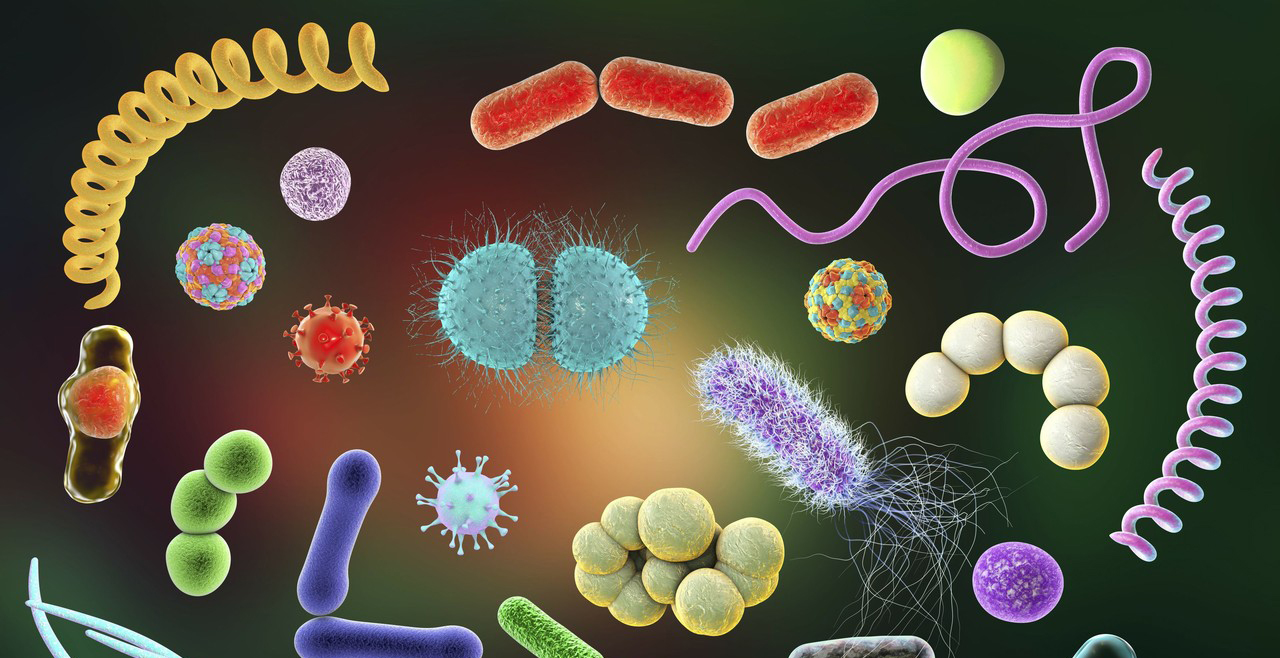
Bioremediation: Bacillus pumilus is known for its ability to degrade organic pollutants and contaminants in the environment. It can be used in bioremediation processes to clean up oil spills, industrial wastewater, and other polluted environments. The bacteria break down harmful substances into less toxic compounds, helping to restore ecological balance.
Agriculture: Bacillus pumilus is used as a biofertilizer and biopesticide in agriculture. As a biofertilizer, it enhances plant growth by fixing atmospheric nitrogen and solubilizing phosphorus, making nutrients more accessible to plants. As a biopesticide, it helps control plant pathogens and pests, reducing the need for chemical pesticides.
Waste degradation: Bacillus pumilus can be utilized in waste treatment systems to break down organic matter efficiently. It aids in the decomposition of organic waste, leading to reduced waste volume and minimized environmental impact.
Biotechnology: In various biotechnological processes, Bacillus pumilus is used as a host organism for the production of enzymes, proteins, and other biotechnological products. The bacteria are amenable to genetic engineering, allowing scientists to modify them for specific applications.
Industrial applications: Bacillus pumilus produces a range of enzymes, including proteases, amylases, and lipases, which are valuable in industrial processes like detergent production, food processing, and leather treatment.
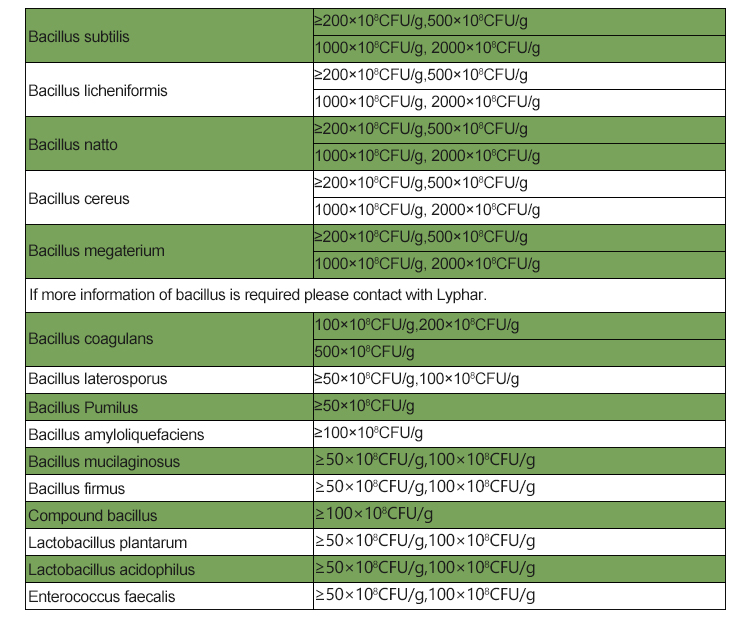
When using Bacillus pumilus or any other microorganism, it’s essential to follow proper guidelines and safety precautions. The specific application and dosage may vary depending on the intended purpose and environmental conditions. Therefore, it’s recommended to consult with experts or professionals in the field before incorporating Bacillus pumilus into any process. Additionally, local regulations regarding the use of microorganisms for specific purposes should be considered.
How can Bacillus Pumilus be used for best results?
As of my last update in September 2021, Bacillus pumilus is a species of bacteria that has shown potential for various applications due to its unique characteristics. However, please note that scientific research may have advanced since then, so it’s always a good idea to consult more recent sources for the latest information. Here are some potential applications and uses of Bacillus pumilus for best results:
Bioremediation: Bacillus pumilus is known for its ability to degrade various pollutants and contaminants in the environment. It can be used in bioremediation processes to clean up soil and water contaminated with organic compounds, heavy metals, and oil spills.
Agriculture: Bacillus pumilus can be used as a biofertilizer or biopesticide in agriculture. As a biofertilizer, it promotes plant growth by fixing nitrogen and solubilizing nutrients, thus improving soil fertility. As a biopesticide, it can inhibit the growth of harmful pathogens and pests, reducing the need for chemical pesticides.
Biodegradable plastics: Some strains of Bacillus pumilus have been studied for their ability to degrade biodegradable plastics like polyhydroxyalkanoates (PHA). These bacteria can aid in breaking down plastic waste, contributing to a more sustainable waste management approach.
Enzyme production: Bacillus pumilus can produce a range of enzymes with various industrial applications. For instance, it can produce proteases, lipases, amylases, and cellulases, which have uses in detergent manufacturing, food processing, and biofuel production.
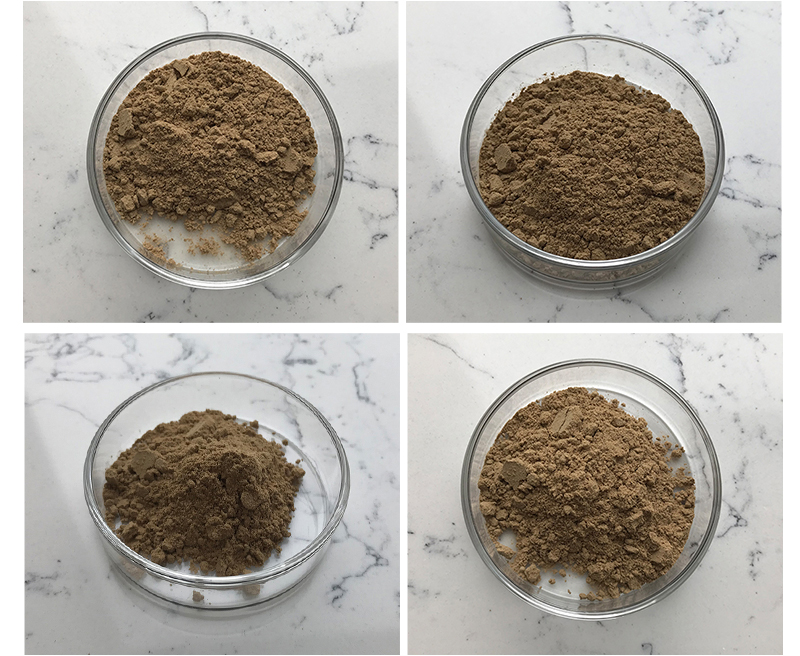
Probiotics: Some strains of Bacillus pumilus have been explored as potential probiotics for livestock and aquaculture. They can enhance animal health, improve nutrient absorption, and reduce the risk of infections.
Biocontrol agent: Bacillus pumilus can act as a biocontrol agent against plant pathogens, such as fungi and bacteria, helping to protect crops from diseases and improving overall crop yield.
For best results, it’s essential to choose the appropriate strain of Bacillus pumilus for the specific application, ensure proper handling, and optimize environmental conditions for its growth and activity. Additionally, regulatory and safety considerations should be taken into account, especially when using Bacillus pumilus in agriculture and environmental applications.
Keep in mind that research and development in the field of microbiology are ongoing, and new applications and uses for Bacillus pumilus may emerge in the future. Always consult with experts or relevant scientific literature for the most up-to-date and reliable information.
评论
发表评论