跳至主要内容

How to use Alpha-GPC for best results?

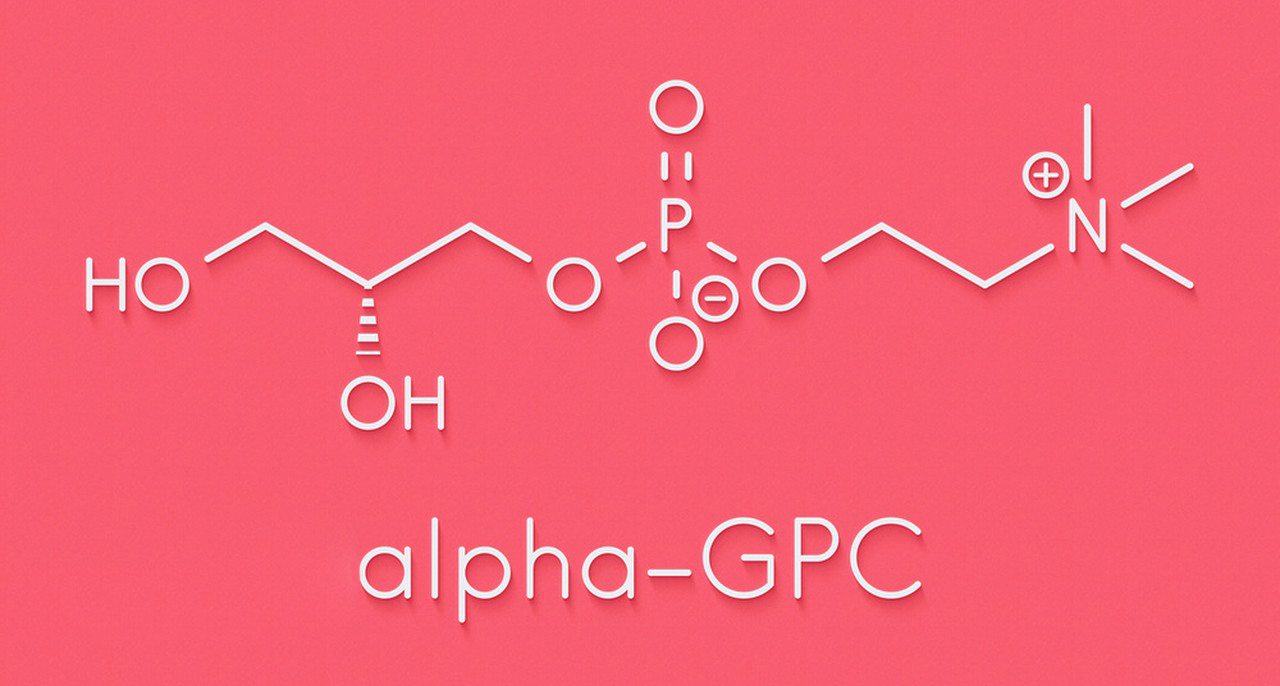
 Alpha-GPC (L-alpha-glycerylphosphorylcholine) is a natural choline compound that has been used as a dietary supplement to support cognitive function, memory, and overall brain health.  To achieve the best results when using Alpha-GPC, consider the following guidelines:
How to use Alpha-GPC for best results?

Consult with a Healthcare Professional: Before starting any new supplement, it’s essential to consult with a healthcare professional, especially if you have any pre-existing medical conditions or are taking other medications.  They can help determine the appropriate dosage and suitability for your specific needs.

Dosage: Alpha-GPC is available in various forms, such as capsules or powder.  The typical dosage for cognitive enhancement is around 300-600 mg per day.  However, individual responses may vary, and some people might benefit from lower or higher doses.  Start with a lower dosage and gradually increase it if needed while closely monitoring how your body responds.

Timing: Alpha-GPC can be taken with or without food, but some people find it more effective when taken on an empty stomach.  If you experience any gastrointestinal discomfort, try taking it with a light meal.

Stacking: Alpha-GPC is often used as part of a nootropic stack to enhance its effects synergistically.  It is commonly combined with other compounds like racetams (e.g., piracetam, aniracetam) or acetylcholinesterase inhibitors to promote better cognitive function.

Consistency: Like many dietary supplements, Alpha-GPC’s benefits may not be immediately noticeable.  Consistent use over an extended period is often necessary to experience its full effects.  Give it several weeks of consistent use to evaluate its impact.

Stay Hydrated: Alpha-GPC can sometimes cause headaches or mild dehydration.  Make sure to drink plenty of water throughout the day to counteract any potential dehydration.

Be Mindful of Stimulant Effects: Some individuals may experience increased alertness or stimulation when taking Alpha-GPC.  Avoid taking it close to bedtime to prevent any potential sleep disturbances.

Monitor Your Response: Pay attention to how your body and mind respond to Alpha-GPC.  People can react differently to supplements, so if you notice any adverse effects or discomfort, consider adjusting the dosage or discontinuing its use.

Combine with a Healthy Lifestyle: Remember that no supplement can replace a healthy lifestyle.  Regular exercise, a balanced diet, quality sleep, and stress management are crucial for overall cognitive health.

It’s important to note that while Alpha-GPC has shown promise in some studies for cognitive enhancement, individual responses can vary, and the research on its long-term effects is still limited.  As with any supplement, moderation and cautious use are advisable.  If you have specific health concerns or are taking other medications, consult a healthcare professional to ensure its safety and suitability for your situation.

评论

此博客中的热门博文

Basic information of Collagen and Where you can buy Collagen CAS#9064-67-9?

  Collagen   is the most abundant protein in the human body, making up about 30% of the body’s total protein content. It plays a crucial role in providing structure, strength, and elasticity to various tissues and organs, including the skin, bones, tendons, ligaments, blood vessels, and even the cornea of the eyes. Types of Collagen There are at least 28 types of collagen, but the most common types are: Type I:  The most abundant form, found in skin, bones, tendons, and ligaments. Type II:  Found in cartilage and helps provide joint support. Type III:  Found in the skin, muscles, and blood vessels, often present alongside type I collagen. Type IV:  Found in the layers of the skin and the kidneys. Type V:  Found in the cornea of the eye, hair, and placenta. Structure of Collagen Collagen is made up of amino acids, primarily glycine, proline, and hydroxyproline. These amino acids form a triple-helix structure, which provides the tensile strength and...

Comprehensive study on White Willow Extract

Studying   white willow extract   involves exploring its botanical properties, historical uses, active compounds, potential health benefits, and safety considerations. Here’s a comprehensive overview: Botanical Overview: Scientific Name:  Salix alba Common Names:  White willow, European willow Description:  A deciduous tree native to Europe and Asia, known for its slender leaves and grayish bark. Active Compounds: Salicin:  Primary active compound, a natural precursor to salicylic acid. Flavonoids:  Including flavonols and catechins, contributing to antioxidant properties. Phenolic Glycosides:  Various compounds with potential health benefits. Historical Use: Traditional Medicine:  Used for centuries in traditional European and Asian medicine for pain relief, fever reduction, and inflammatory conditions. Health Benefits and Current Research: Pain Relief:  Acts similarly to aspirin in relieving pain and inflammation due to salicin’s conve...

How best to use the Hericium Erinaceus Capsule?

  Hericium erinaceus, commonly known as lion’s mane mushroom, is a type of edible and medicinal mushroom with potential health benefits. Lion’s mane mushroom is often consumed in various forms, including capsules, powders, extracts, and as a whole food. If you have lion’s mane mushroom in capsule form ( Hericium erinaceus capsule ), here are some tips on how to use them effectively: Follow Dosage Instructions:  The dosage can vary depending on the concentration of the active ingredients in the capsules and individual factors such as age, weight, and health condition. Always follow the recommended dosage instructions provided on the product packaging or by a healthcare professional. Consistency is Key:  Like many supplements, lion’s mane may take time to produce noticeable effects. Consistent use over time is often more effective than sporadic usage. Stick to a regular dosing schedule to maximize the potential benefits. Take with Food:  It’s generally recommended to t...