Copper peptides are compounds that combine copper ions with small protein fragments called peptides. These compounds have gained attention in the skincare industry due to their potential benefits for skin health. Here are some of the functions of copper peptides on the skin:
Wound Healing and Tissue Repair: Copper peptides are believed to promote wound healing and tissue repair by stimulating the production of collagen, elastin, and glycosaminoglycans. Collagen and elastin are essential components of the skin’s structure, providing firmness and elasticity, while glycosaminoglycans help maintain the skin’s hydration and plumpness.
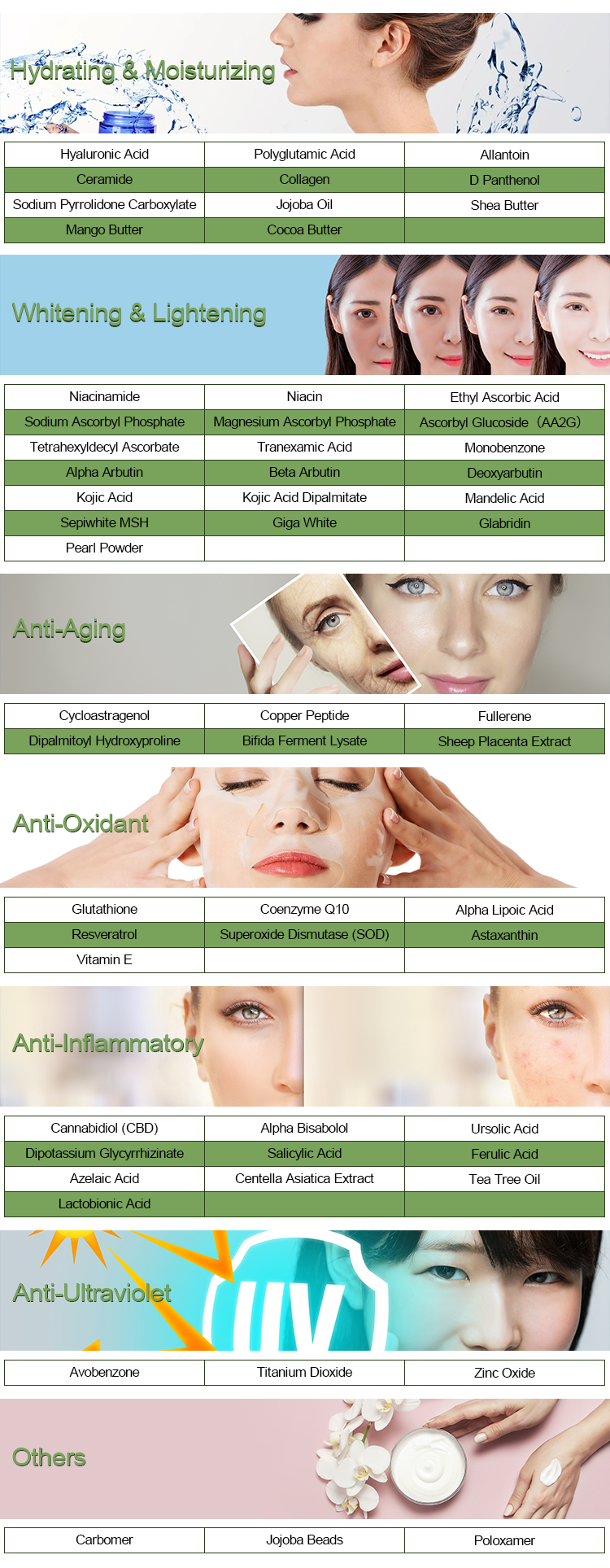
Anti-Aging Effects: Copper peptides have been suggested to have anti-aging properties due to their ability to enhance the production of collagen and elastin. By promoting the synthesis of these proteins, copper peptides may help reduce the appearance of fine lines, wrinkles, and sagging skin.
Antioxidant Activity: Copper is a component of several antioxidant enzymes in the body, and copper peptides might contribute to antioxidant defense in the skin. By neutralizing harmful free radicals, they can help protect skin cells from oxidative stress and damage caused by environmental factors like UV radiation and pollution.
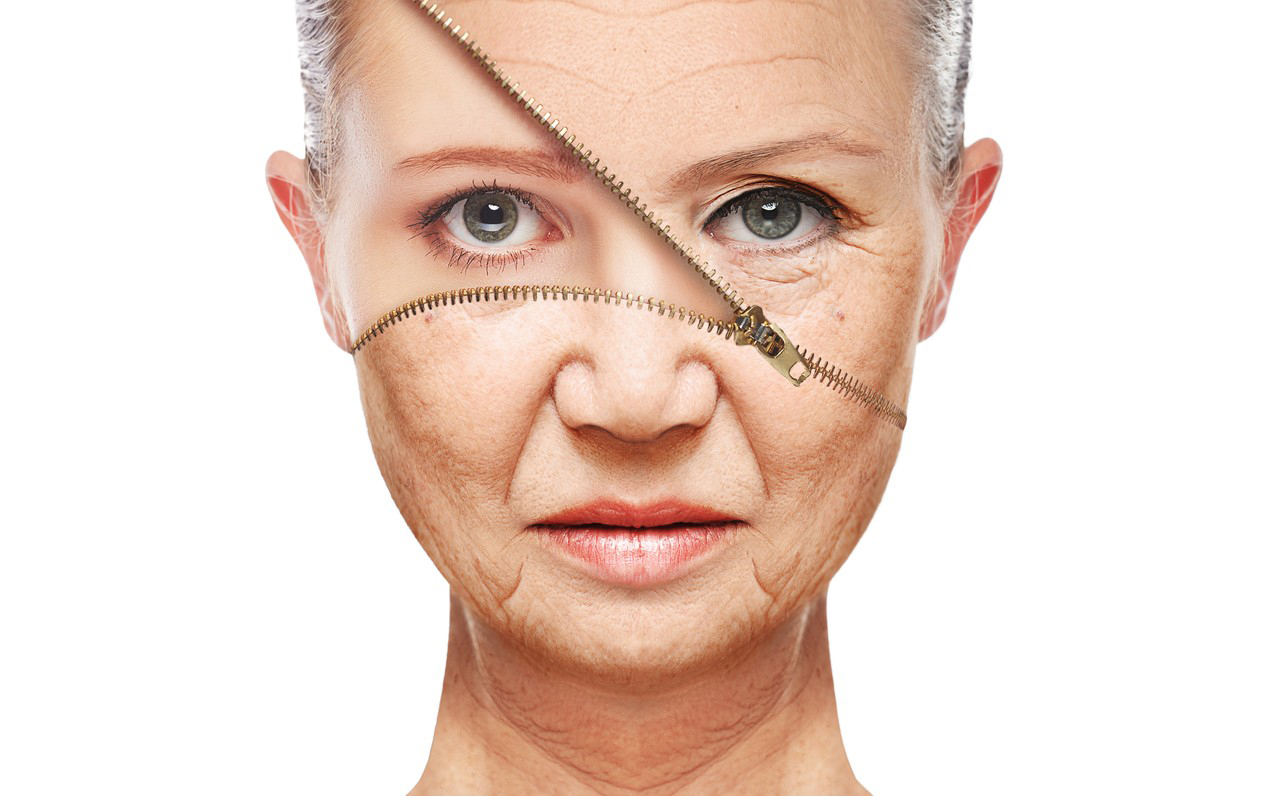
Skin Regeneration: Copper peptides are thought to stimulate the turnover of skin cells, encouraging the shedding of old, damaged cells and the generation of new, healthy ones. This can contribute to a more radiant and youthful appearance.
Reduced Inflammation: Some studies suggest that copper peptides might have anti-inflammatory effects, which can be beneficial for skin conditions characterized by inflammation, such as acne and rosacea.
Scar Reduction: Copper peptides are believed to assist in reducing the appearance of scars, both from wounds and from procedures like laser treatments. They may help modulate the wound healing process, resulting in less noticeable scars over time.
Enhanced Penetration of Other Ingredients: Copper peptides could potentially improve the penetration of other skincare ingredients into the skin. This property might enhance the overall effectiveness of skincare products when used in combination.
It’s important to note that while there is some scientific evidence supporting the potential benefits of copper peptides for skin health, more research is needed to fully understand their mechanisms of action and effectiveness. If you’re considering using skincare products containing copper peptides, it’s a good idea to consult with a dermatologist or skincare professional to determine whether they are suitable for your skin type and concerns.
The negative impact of the Copper Peptide
Copper peptides are compounds that combine copper ions with small protein fragments, known as peptides. They have gained attention in the skincare and cosmetic industry due to their potential benefits for wound healing, skin rejuvenation, and collagen production. However, like any other skincare ingredient, copper peptides also have potential drawbacks and negative impacts that need to be considered.
Allergic Reactions: Some individuals may be sensitive or allergic to copper peptides. Allergic reactions can manifest as redness, itching, swelling, or even rashes on the skin. It’s important to perform a patch test before using products containing copper peptides to minimize the risk of adverse reactions.
Irritation: Even for individuals who are not allergic, copper peptides can cause skin irritation, especially if used in high concentrations or in combination with other potentially irritating ingredients. Irritation can lead to redness, flakiness, and discomfort.
Interactions with Other Ingredients: Copper peptides might not work well in conjunction with certain skincare ingredients, such as acids (e.g., glycolic acid, salicylic acid), retinoids, and vitamin C. These ingredients can destabilize copper peptides or reduce their effectiveness.
Overexfoliation: Copper peptides are sometimes incorporated into exfoliating products, which could lead to overexfoliation if used too frequently or combined with other exfoliating agents. Overexfoliation can damage the skin barrier, leading to dryness, sensitivity, and increased risk of other skin issues.
Unpredictable Results: The efficacy of copper peptides can vary from person to person. While some individuals may see positive effects, others might not experience significant improvements in their skin’s appearance or texture. This unpredictability can lead to disappointment.
Limited Scientific Evidence: Despite the claims made by skincare brands, there is still limited scientific research supporting the long-term efficacy and safety of copper peptides in skincare. Many claims are based on anecdotal evidence and small-scale studies.
Cost: Products containing copper peptides tend to be more expensive due to the specialized manufacturing processes required to stabilize copper and peptides in formulations.
Environmental Impact: The production and extraction of copper can have negative environmental impacts. Additionally, the disposal of products containing copper peptides might contribute to environmental pollution.
To mitigate the potential negative impacts of copper peptides, it’s important to approach their use with caution:
- Patch test new products before applying them to your face to check for any adverse reactions.
- Avoid using copper peptide products in conjunction with harsh exfoliants or incompatible ingredients.
- Start with lower concentrations and gradually increase usage if your skin tolerates it.
- Be mindful of any signs of irritation or discomfort, and discontinue use if these occur.
- Consult with a dermatologist or skincare professional before incorporating copper peptide products into your routine, especially if you have sensitive or problematic skin.
As with any skincare ingredient, individual reactions can vary, so it’s important to pay attention to how your skin responds and make informed decisions based on your own experiences.
评论
发表评论