L-theanine is an amino acid commonly found in tea leaves, particularly in green tea (Camellia sinensis), and is known for its calming effects. The extraction process of L-theanine involves several steps, and various methods can be employed to isolate and purify it. Below is a general outline of the extraction process:
1. Raw Material Selection
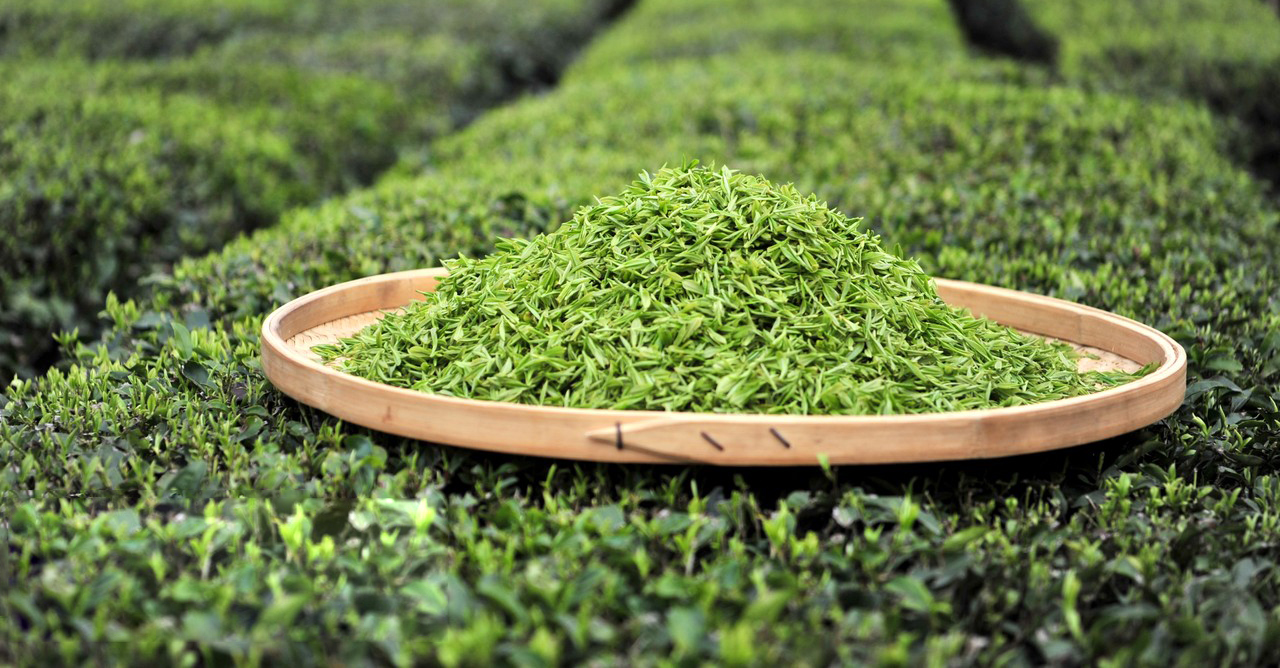
- Source: Fresh or dried tea leaves are the most common raw material for L-theanine extraction. The leaves are rich in L-theanine, especially in young, tender leaves.
2. Preparation of the Raw Material
- Grinding: Tea leaves are ground into a powder or finely chopped to increase the surface area, allowing for more efficient extraction.
- Drying (if using fresh leaves): In case fresh leaves are used, they might be dried first to preserve their chemical structure and prevent decomposition of L-theanine.
3. Solvent Extraction
- Solvent Selection: The most common solvents used for L-theanine extraction are water, ethanol, or methanol, with water being the most common because L-theanine is water-soluble.
- Extraction Process: The ground tea leaves are soaked in the solvent, and the mixture is agitated for a specific period to allow the L-theanine to dissolve into the solvent. The extraction time and temperature are optimized to maximize yield and minimize degradation of L-theanine.
- Filtration: After extraction, the mixture is filtered to remove solid tea particles, leaving behind the L-theanine-rich liquid extract.
4. Concentration
- The solvent is often removed by evaporation under reduced pressure (using a rotary evaporator or similar equipment), which concentrates the extract and removes most of the solvent.
- Concentration Method: This step helps to reduce the volume and increase the L-theanine concentration in the remaining liquid.
5. Purification (Optional)
- Chromatography: To further purify L-theanine from other compounds in the extract (such as caffeine, catechins, or polyphenols), chromatographic methods like column chromatography or high-performance liquid chromatography (HPLC) can be employed.
- Crystallization: In some cases, the L-theanine extract is subjected to crystallization, where it forms solid crystals, which can then be filtered and dried to obtain pure L-theanine.
6. Drying and Final Processing
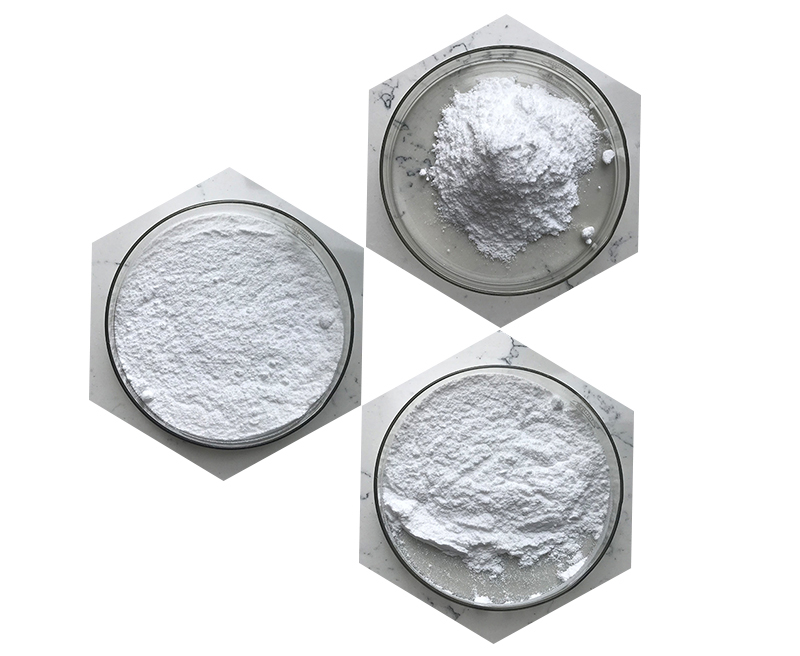
- Spray Drying: If a powdered form of L-theanine is desired, the concentrated extract can be spray-dried to remove remaining moisture and produce a fine powder.
- Final Form: Depending on the intended use, the final L-theanine product can be in liquid or powdered form, ready for use in supplements, functional foods, or beverages.
7. Quality Control
- Testing: The purity and concentration of L-theanine are typically tested using analytical methods like HPLC to ensure the quality and consistency of the final product.
Alternative Extraction Methods
- Fermentation: In some cases, L-theanine can also be produced via fermentation using specific bacteria or fungi that are capable of synthesizing L-theanine from simpler amino acids or precursors.
- Enzymatic Synthesis: Enzymes can be used to convert precursor compounds into L-theanine, offering a more controlled method of production.
This process can be adjusted depending on the scale of production (e.g., laboratory-scale vs industrial-scale) and the intended use of the final product.
From cellsbio health technology co.,ltd
评论
发表评论