跳至主要内容

Extraction process of Berberine HCL

 The extraction process of Berberine HCl typically involves several key steps to isolate this compound from plants that contain it, such as Goldenseal, Barberry, and Oregon Grape. Here’s a general outline of the process:

  • Plant Material Preparation: Start by obtaining the dried plant material that contains berberine. This can include roots, bark, or stems of the relevant plants.
  • Maceration: Soak the plant material in a suitable solvent, often ethanol or methanol, to dissolve the berberine and other soluble compounds. This step may take several hours or days.
  • Filtration: After maceration, filter the mixture to separate the solid plant material from the liquid extract. This can be done using a fine mesh or filter paper.
  • Concentration: The filtrate is then concentrated using a rotary evaporator to remove the solvent, leaving behind a concentrated extract.
  • Acidification: The concentrated extract is often acidified using hydrochloric acid (HCl) to convert berberine into its hydrochloride form. This increases solubility and stability.
Extraction process of Berberine HCL
  • Precipitation: The acidified solution is cooled, and Berberine Hcl can precipitate out of the solution. The precipitation can be enhanced by adjusting the pH or temperature.
  • Filtration and Drying: The precipitated berberine HCl is filtered out and then washed to remove impurities. It is then dried under appropriate conditions to yield the final product.
  • Characterization: Finally, the isolated berberine Hcl can be characterized using techniques such as chromatography, spectrometry, or other analytical methods to ensure its purity and quality.

Always remember to follow safety protocols and regulations when handling chemicals and performing extractions.

Adverse effects of Berberine HCL

Berberine HCL is generally considered safe for most people when taken at recommended doses, but it can have some adverse effects. Common side effects may include:

  • Gastrointestinal Issues: This can include diarrhea, constipation, flatulence, or stomach cramps.
  • Nausea or Vomiting: Some users report feelings of nausea.
  • Low Blood Sugar: Berberine hcl may lower blood sugar levels, which could be a concern for individuals with diabetes or those taking medications for blood sugar management.
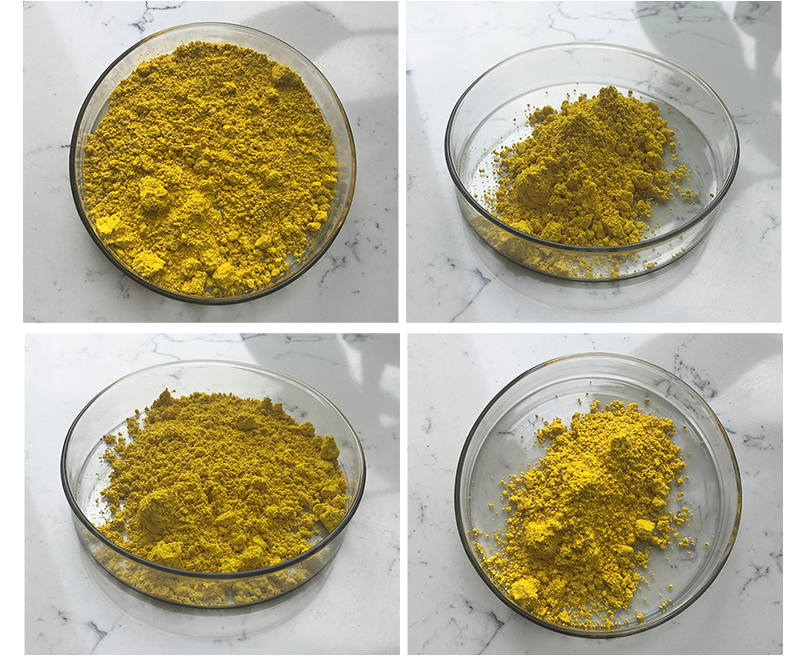
Extraction process of Berberine HCL
  • Potential Drug Interactions: Berberine hcl can interact with certain medications, including those metabolized by the liver, which may alter their effectiveness or increase side effects.
  • Headaches: Some people experience headaches when taking berberine.
  • Allergic Reactions: Though rare, allergic reactions can occur in sensitive individuals.

It’s always best to consult with a healthcare professional before starting any new supplement, especially if you have underlying health conditions or are taking other medications.

评论

此博客中的热门博文

Basic information of Collagen and Where you can buy Collagen CAS#9064-67-9?

  Collagen   is the most abundant protein in the human body, making up about 30% of the body’s total protein content. It plays a crucial role in providing structure, strength, and elasticity to various tissues and organs, including the skin, bones, tendons, ligaments, blood vessels, and even the cornea of the eyes. Types of Collagen There are at least 28 types of collagen, but the most common types are: Type I:  The most abundant form, found in skin, bones, tendons, and ligaments. Type II:  Found in cartilage and helps provide joint support. Type III:  Found in the skin, muscles, and blood vessels, often present alongside type I collagen. Type IV:  Found in the layers of the skin and the kidneys. Type V:  Found in the cornea of the eye, hair, and placenta. Structure of Collagen Collagen is made up of amino acids, primarily glycine, proline, and hydroxyproline. These amino acids form a triple-helix structure, which provides the tensile strength and...

Comprehensive study on White Willow Extract

Studying   white willow extract   involves exploring its botanical properties, historical uses, active compounds, potential health benefits, and safety considerations. Here’s a comprehensive overview: Botanical Overview: Scientific Name:  Salix alba Common Names:  White willow, European willow Description:  A deciduous tree native to Europe and Asia, known for its slender leaves and grayish bark. Active Compounds: Salicin:  Primary active compound, a natural precursor to salicylic acid. Flavonoids:  Including flavonols and catechins, contributing to antioxidant properties. Phenolic Glycosides:  Various compounds with potential health benefits. Historical Use: Traditional Medicine:  Used for centuries in traditional European and Asian medicine for pain relief, fever reduction, and inflammatory conditions. Health Benefits and Current Research: Pain Relief:  Acts similarly to aspirin in relieving pain and inflammation due to salicin’s conve...

How best to use the Hericium Erinaceus Capsule?

  Hericium erinaceus, commonly known as lion’s mane mushroom, is a type of edible and medicinal mushroom with potential health benefits. Lion’s mane mushroom is often consumed in various forms, including capsules, powders, extracts, and as a whole food. If you have lion’s mane mushroom in capsule form ( Hericium erinaceus capsule ), here are some tips on how to use them effectively: Follow Dosage Instructions:  The dosage can vary depending on the concentration of the active ingredients in the capsules and individual factors such as age, weight, and health condition. Always follow the recommended dosage instructions provided on the product packaging or by a healthcare professional. Consistency is Key:  Like many supplements, lion’s mane may take time to produce noticeable effects. Consistent use over time is often more effective than sporadic usage. Stick to a regular dosing schedule to maximize the potential benefits. Take with Food:  It’s generally recommended to t...