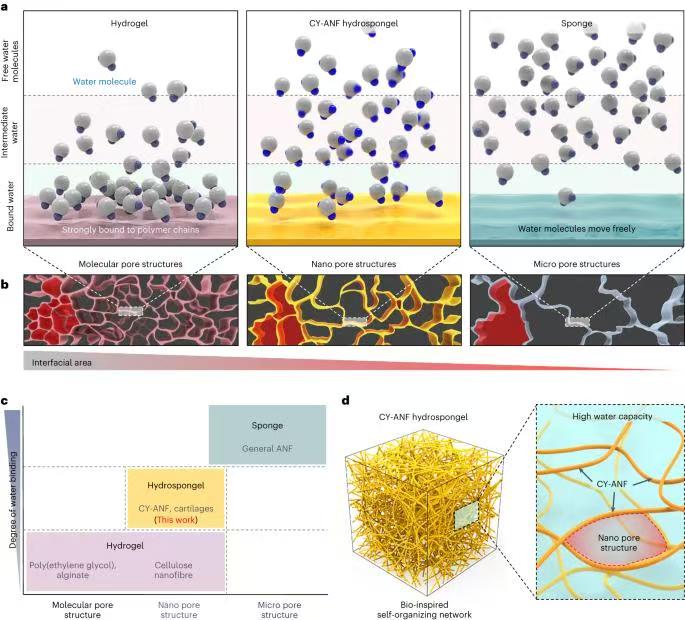
Hydrolyzed sponge refers to sponge-derived material that has been broken down into smaller molecular components, often peptides or polysaccharides, through hydrolysis. This makes the sponge more soluble, bioavailable, and suitable for applications in cosmetics, medicine, or environmental technologies.
The extraction process involves two main steps: collection/preparation of raw sponge and hydrolysis/extraction.
Materials Required
- Raw sponge (marine or freshwater sponge species, depending on source)
- Distilled water or buffer solutions
- Enzymes (for enzymatic hydrolysis) such as proteases or cellulases
- Acids/Bases (for chemical hydrolysis) such as HCl, NaOH
- Filtration apparatus (e.g., muslin cloth, centrifuge)
- Dialysis membranes or ultrafiltration units (for purification)
- Drying equipment (lyophilizer or oven)
Methods of Extraction
A. Chemical Hydrolysis
1. Pre-treatment: Wash raw sponge to remove salts, sand, and impurities. Dry and cut into small pieces.
2. Hydrolysis: Treat with acidic (HCl) or basic (NaOH) solution at controlled temperature (typically 50–100°C) for several hours.
3. Neutralization: After hydrolysis, neutralize the solution to pH 7 using NaOH or HCl.
4. Filtration/Centrifugation: Remove insoluble residues.
5. Purification: Use dialysis or ultrafiltration to concentrate hydrolyzed components.
6. Drying: Lyophilize to obtain hydrolyzed sponge powder.
Pros: Fast, simple, scalable.
Cons: Can degrade sensitive bioactive compounds, may produce unwanted byproducts.
B. Enzymatic Hydrolysis
1. Pre-treatment: Same as chemical hydrolysis.
2. Hydrolysis: Add specific enzymes (e.g., proteases for protein hydrolysis) in buffer solution at optimal pH and temperature (usually 37–60°C).
3. Incubation: Allow enzymatic reaction for 2–24 hours depending on enzyme and substrate.
4. Termination: Heat inactivate enzymes (e.g., 80°C for 10 min).
5. Filtration/Purification: Remove insoluble matter; ultrafiltration may be used to concentrate low molecular weight peptides.
6. Drying: Freeze-dry to obtain the final product.
Pros: Gentle, preserves bioactivity, produces specific peptide profiles.
Cons: Slower, enzyme cost.
C. Physical-Assisted Extraction
- Ultrasound-assisted extraction (UAE): Ultrasound waves break cell walls, enhancing hydrolysis efficiency.
- Microwave-assisted extraction (MAE): Heat and cell disruption speed up chemical or enzymatic hydrolysis.
Pros: Faster, higher yield.
Cons: Requires specialized equipment.
Considerations
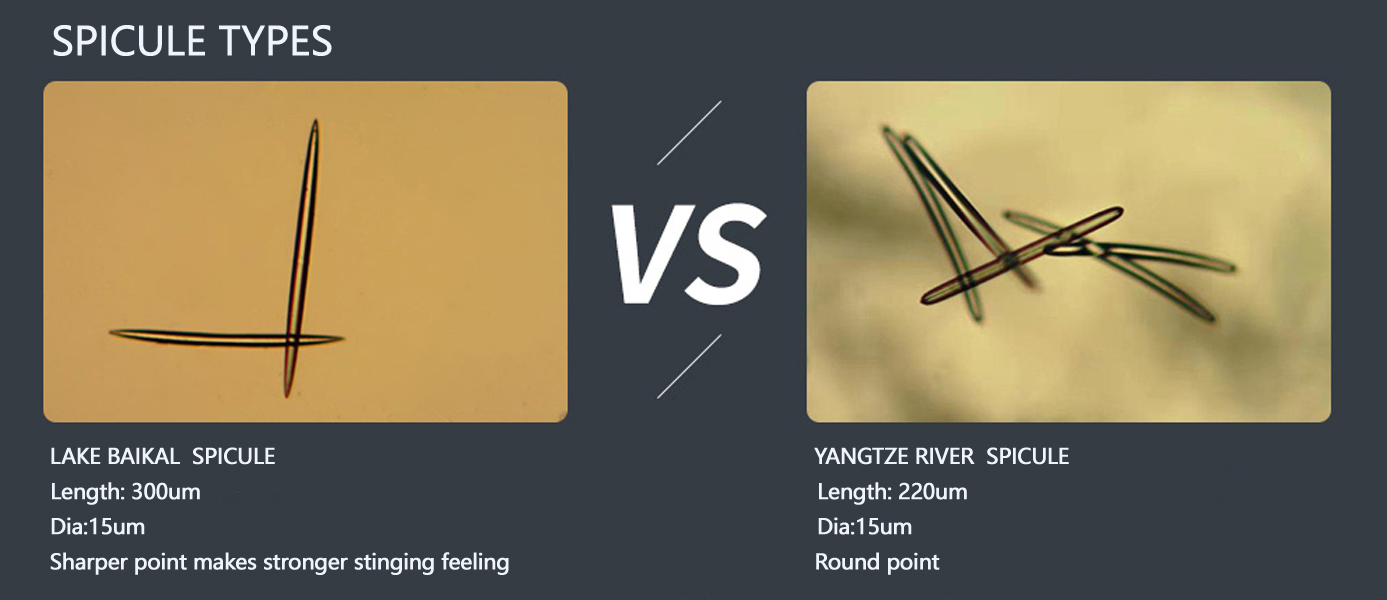
- Sponge Source: Marine sponges often yield more bioactive compounds than freshwater sponges.
- Hydrolysis Conditions: Temperature, pH, and duration must be optimized to prevent degradation.
- Purity: Dialysis or ultrafiltration ensures removal of salts and large insoluble residues.
- Application: Cosmetic use requires high purity and sterilization; environmental applications may tolerate crude extracts.
Summary Workflow
Collection & Cleaning → 2. Drying & Cutting → 3. Hydrolysis (Chemical/Enzymatic) → 4. Neutralization & Filtration → 5. Purification → 6. Drying & Storage
If you want, I can also make a step-by-step lab protocol for hydrolyzed sponge extraction, including exact concentrations, temperatures, and timings suitable for lab-scale production.
评论
发表评论