跳至主要内容

Extraction method and process of DMSA

 DMSA (Dimercaptosuccinic acid) is a chelating agent used in medicine, primarily for the treatment of heavy metal poisoning (e.g., lead or mercury poisoning). The extraction method and process for DMSA, particularly for its synthesis in the laboratory, involve several key steps. Below is a general outline of how DMSA can be synthesized and extracted.

1. Synthesis of DMSA:

DMSA can be synthesized from maleic acid and thiol compounds. The process typically involves the following steps:

Step 1: Preparation of Maleic Acid Derivative

Maleic acid (C₄H₄O₄) is first reacted with a suitable thiol compound to introduce the -SH groups (sulfhydryl groups). One common method is to react maleic acid with sodium bisulfite (NaHSO₃) to generate the maleic acid bisulfite adduct, which then undergoes further modification.

Step 2: Thiolation

The thiol group (-SH) is typically introduced using a compound such as thiourea (NH₂CSNH₂) or sodium hydrosulfide (NaHS). This forms the DMSA structure, where two thiol (-SH) groups are attached to the succinic acid backbone.

Step 3: Cyclization/Reaction Completion

The reaction is then carefully monitored for completion, typically using acid/base neutralization techniques or solvent removal under reduced pressure.

Step 4: Purification

The crude product of the reaction is usually purified using techniques such as recrystallization or column chromatography. For recrystallization, a solvent like ethanol or water can be used to remove impurities. The final product is often a white or off-white crystalline solid.

Extraction method and process of DMSA

2. Purification Process:

After the synthesis step, DMSA needs to be purified to remove by-products or unreacted starting materials. The purification methods typically include:

  • Recrystallization: Dissolve the crude product in a solvent such as ethanol or water and then recrystallize the pure DMSA by slow evaporation or cooling of the solvent.
  • Column Chromatography: A more sophisticated method where DMSA is separated from impurities based on their differing affinities to a stationary phase (e.g., silica gel).

3. Drying and Final Processing:

After purification, the product is usually dried in a vacuum desiccator or using a rotary evaporator if solvent residues remain. This step ensures that DMSA is in its pure, solid form, ready for use in pharmaceutical applications.

4. Characterization:

To confirm the identity and purity of the synthesized DMSA, techniques such as nuclear magnetic resonance (NMR) spectroscopy, high-performance liquid chromatography (HPLC), and mass spectrometry (MS) may be employed.
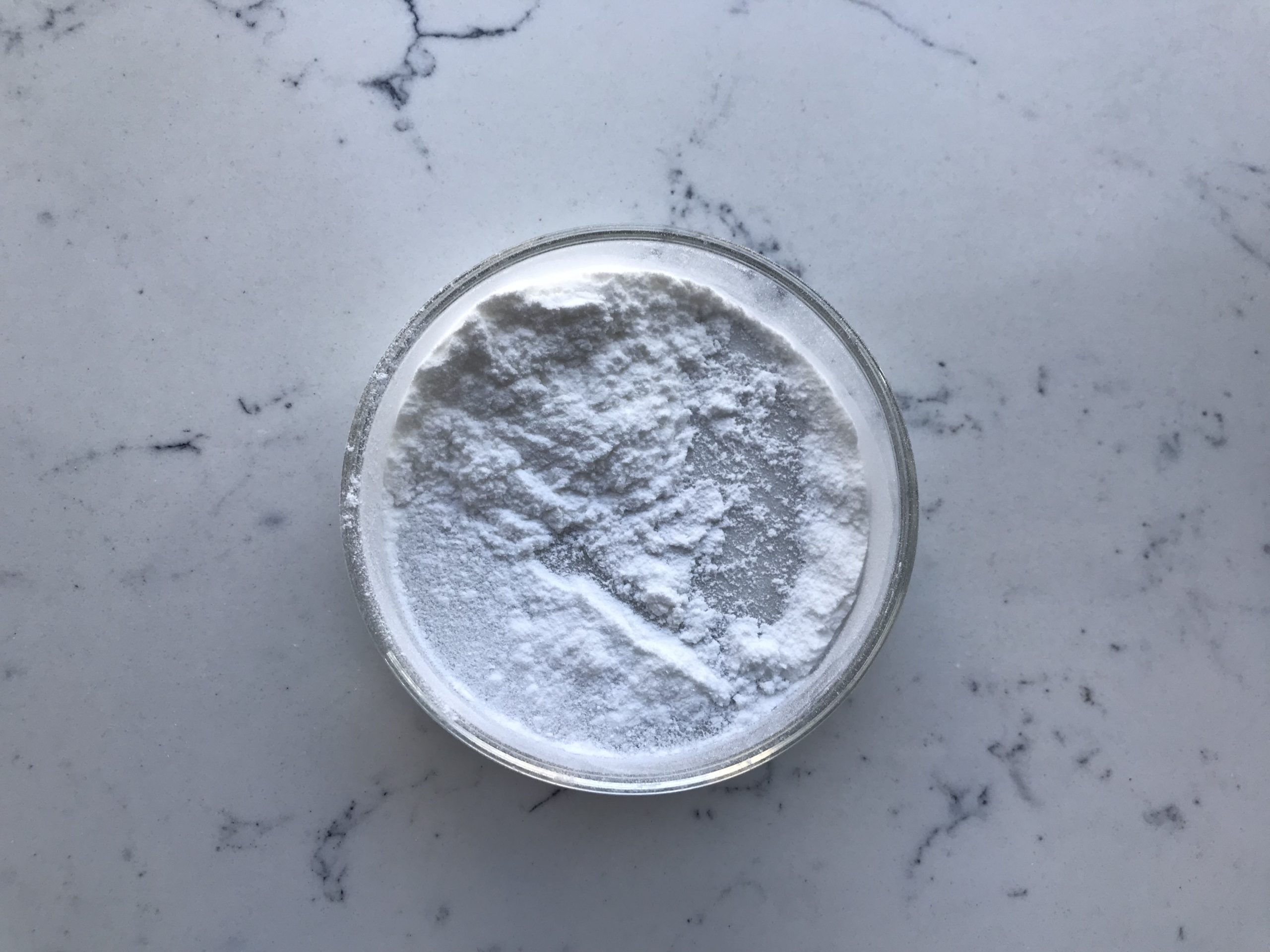
Extraction method and process of DMSA

5. Storage:

DMSA is typically stored in airtight containers, away from light and moisture, to preserve its stability. Depending on its use (e.g., medical applications), it may be formulated into tablets, capsules, or solutions.

Notes on Extraction for Medical Use:

In medicine, DMSA is often available as a ready-to-use formulation or is synthesized in large-scale industrial processes, which likely follow similar synthetic steps as outlined above but at a commercial scale.

评论

此博客中的热门博文

Basic information of Collagen and Where you can buy Collagen CAS#9064-67-9?

  Collagen   is the most abundant protein in the human body, making up about 30% of the body’s total protein content. It plays a crucial role in providing structure, strength, and elasticity to various tissues and organs, including the skin, bones, tendons, ligaments, blood vessels, and even the cornea of the eyes. Types of Collagen There are at least 28 types of collagen, but the most common types are: Type I:  The most abundant form, found in skin, bones, tendons, and ligaments. Type II:  Found in cartilage and helps provide joint support. Type III:  Found in the skin, muscles, and blood vessels, often present alongside type I collagen. Type IV:  Found in the layers of the skin and the kidneys. Type V:  Found in the cornea of the eye, hair, and placenta. Structure of Collagen Collagen is made up of amino acids, primarily glycine, proline, and hydroxyproline. These amino acids form a triple-helix structure, which provides the tensile strength and...

How best to use the Hericium Erinaceus Capsule?

  Hericium erinaceus, commonly known as lion’s mane mushroom, is a type of edible and medicinal mushroom with potential health benefits. Lion’s mane mushroom is often consumed in various forms, including capsules, powders, extracts, and as a whole food. If you have lion’s mane mushroom in capsule form ( Hericium erinaceus capsule ), here are some tips on how to use them effectively: Follow Dosage Instructions:  The dosage can vary depending on the concentration of the active ingredients in the capsules and individual factors such as age, weight, and health condition. Always follow the recommended dosage instructions provided on the product packaging or by a healthcare professional. Consistency is Key:  Like many supplements, lion’s mane may take time to produce noticeable effects. Consistent use over time is often more effective than sporadic usage. Stick to a regular dosing schedule to maximize the potential benefits. Take with Food:  It’s generally recommended to t...

Comprehensive study on White Willow Extract

Studying   white willow extract   involves exploring its botanical properties, historical uses, active compounds, potential health benefits, and safety considerations. Here’s a comprehensive overview: Botanical Overview: Scientific Name:  Salix alba Common Names:  White willow, European willow Description:  A deciduous tree native to Europe and Asia, known for its slender leaves and grayish bark. Active Compounds: Salicin:  Primary active compound, a natural precursor to salicylic acid. Flavonoids:  Including flavonols and catechins, contributing to antioxidant properties. Phenolic Glycosides:  Various compounds with potential health benefits. Historical Use: Traditional Medicine:  Used for centuries in traditional European and Asian medicine for pain relief, fever reduction, and inflammatory conditions. Health Benefits and Current Research: Pain Relief:  Acts similarly to aspirin in relieving pain and inflammation due to salicin’s conve...