跳至主要内容

Efficacy and Effect of Ergothioneine

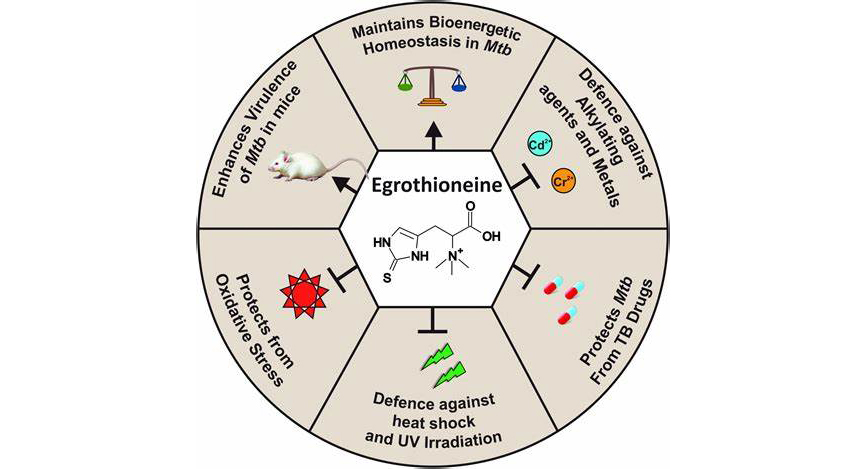
 Ergothioneine (EGT) is a naturally occurring amino acid and antioxidant found in high concentrations in mushrooms and some other foods. It has gained attention for its potential health benefits and roles in preventing oxidative stress and inflammation.

Here’s a breakdown of its efficacy and effects:

Mechanism of Action

Antioxidant: Ergothioneine is a thiol compound that neutralizes reactive oxygen species (ROS) and protects cells from oxidative damage.

Mitochondrial Protection: It accumulates in mitochondria, where it helps maintain cellular energy and reduce oxidative stress.

Cytoprotective Transporter (OCTN1): The human body has a specific transporter (SLC22A4/OCTN1) dedicated to absorbing and distributing Ergothioneine—suggesting its importance in physiology.

Efficacy and Effect of Ergothioneine

Potential Benefits (Efficacy)

1.Neuroprotection

    • May protect neurons from oxidative damage.
    • Linked to reduced risk of neurodegenerative diseases (e.g., Alzheimer’s, Parkinson’s).
    • Some observational studies show people with higher Ergothioneine levels have better cognitive health.

    2.Cardiovascular Health

      • Anti-inflammatory and antioxidant properties may reduce atherosclerosis risk.
      • Possible reduction in endothelial dysfunction.

      3.Anti-Aging

        • Protects DNA, proteins, and lipids from oxidative damage.
        • May slow age-related cellular decline.

        4.Liver and Kidney Protection

          • Animal studies show protection against drug-induced toxicity (e.g., from acetaminophen or cisplatin).

          5.Immune Modulation

            • Helps modulate inflammatory responses.
            • May support a balanced immune system.

            Clinical Evidence (Human Studies)

            • Human studies are limited but growing.
            • A 2021 study published in Antioxidants found higher plasma Ergothioneine associated with reduced risk of cognitive impairment.
            • Another study suggested a correlation between Ergothioneine levels and reduced markers of oxidative stress and inflammation in aging adults.

            More large-scale, long-term clinical trials are needed to confirm these effects and establish proper dosing guidelines.

            Natural Sources

            • Mushrooms (especially oyster, shiitake, and king trumpet)
            • Black beans, oat bran, kidney beans (lower concentrations)
            • Supplement form also available
            Efficacy and Effect of Ergothioneine

            Safety & Side Effects

            • Generally considered safe with no major side effects reported in humans.
            • Long-term safety data is still limited.
            • No established upper intake limit (as of now), but supplementation should follow recommended guidelines if available.

            Would you like info on specific studies or how it compares to other antioxidants like glutathione or CoQ10?

            From cellsbio health technology co.,ltd

            评论

            此博客中的热门博文

            Basic information of Collagen and Where you can buy Collagen CAS#9064-67-9?

              Collagen   is the most abundant protein in the human body, making up about 30% of the body’s total protein content. It plays a crucial role in providing structure, strength, and elasticity to various tissues and organs, including the skin, bones, tendons, ligaments, blood vessels, and even the cornea of the eyes. Types of Collagen There are at least 28 types of collagen, but the most common types are: Type I:  The most abundant form, found in skin, bones, tendons, and ligaments. Type II:  Found in cartilage and helps provide joint support. Type III:  Found in the skin, muscles, and blood vessels, often present alongside type I collagen. Type IV:  Found in the layers of the skin and the kidneys. Type V:  Found in the cornea of the eye, hair, and placenta. Structure of Collagen Collagen is made up of amino acids, primarily glycine, proline, and hydroxyproline. These amino acids form a triple-helix structure, which provides the tensile strength and...

            Comprehensive study on White Willow Extract

            Studying   white willow extract   involves exploring its botanical properties, historical uses, active compounds, potential health benefits, and safety considerations. Here’s a comprehensive overview: Botanical Overview: Scientific Name:  Salix alba Common Names:  White willow, European willow Description:  A deciduous tree native to Europe and Asia, known for its slender leaves and grayish bark. Active Compounds: Salicin:  Primary active compound, a natural precursor to salicylic acid. Flavonoids:  Including flavonols and catechins, contributing to antioxidant properties. Phenolic Glycosides:  Various compounds with potential health benefits. Historical Use: Traditional Medicine:  Used for centuries in traditional European and Asian medicine for pain relief, fever reduction, and inflammatory conditions. Health Benefits and Current Research: Pain Relief:  Acts similarly to aspirin in relieving pain and inflammation due to salicin’s conve...

            How best to use the Hericium Erinaceus Capsule?

              Hericium erinaceus, commonly known as lion’s mane mushroom, is a type of edible and medicinal mushroom with potential health benefits. Lion’s mane mushroom is often consumed in various forms, including capsules, powders, extracts, and as a whole food. If you have lion’s mane mushroom in capsule form ( Hericium erinaceus capsule ), here are some tips on how to use them effectively: Follow Dosage Instructions:  The dosage can vary depending on the concentration of the active ingredients in the capsules and individual factors such as age, weight, and health condition. Always follow the recommended dosage instructions provided on the product packaging or by a healthcare professional. Consistency is Key:  Like many supplements, lion’s mane may take time to produce noticeable effects. Consistent use over time is often more effective than sporadic usage. Stick to a regular dosing schedule to maximize the potential benefits. Take with Food:  It’s generally recommended to t...