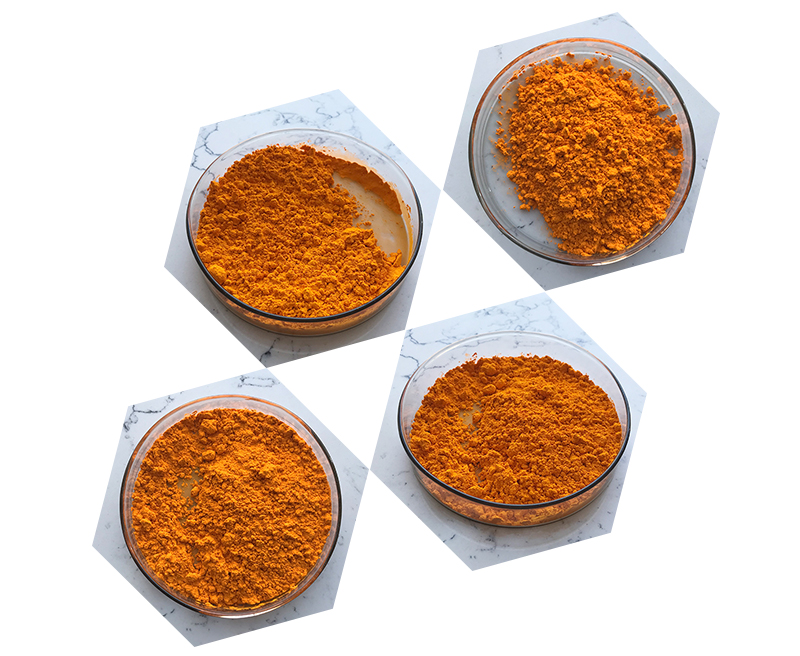
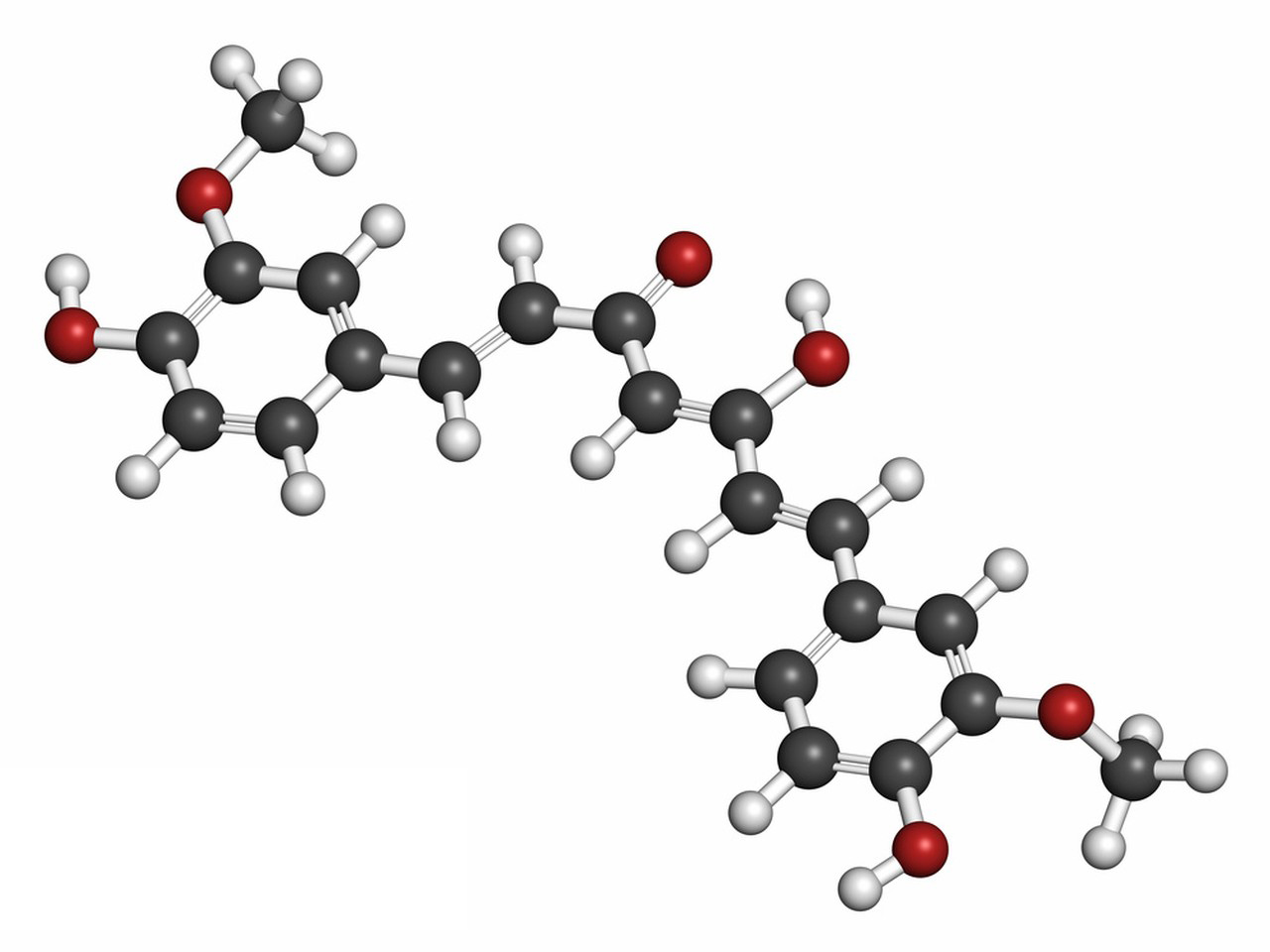
Curcumin, the active compound found in turmeric, is known for its anti-inflammatory, antioxidant, and potentially anti-cancer properties. Here’s a breakdown of its effectiveness, possible side effects, and special considerations for use.
Effectiveness of Curcumin
Curcumin has been studied for its effects in various health conditions, showing promise particularly in these areas:
- Inflammation: Curcumin has shown strong anti-inflammatory properties, potentially making it helpful for managing chronic inflammatory conditions like arthritis, inflammatory bowel disease, and others.
- Antioxidant Effects: It helps neutralize free radicals and may support the body’s antioxidant defenses, contributing to better overall cellular health and reduced oxidative stress.
- Pain Relief: Some studies suggest that curcumin may reduce pain, especially in osteoarthritis, showing effectiveness comparable to certain pain-relief medications in some cases.
- Heart Health: Curcumin may improve heart health by improving endothelial function, reducing inflammation, and lowering cholesterol levels, potentially lowering the risk of heart disease.
- Cancer: Some research suggests that curcumin may have anticancer effects, especially for certain types like colon, breast, and prostate cancer. However, more clinical studies are required before it can be recommended as a standard treatment.
- Brain Health: Preliminary research shows that curcumin may have neuroprotective effects and could support memory and cognitive function, showing promise in preventing or delaying Alzheimer’s disease.
Side Effects of Curcumin
Curcumin is generally well-tolerated, but some people may experience side effects, especially at high doses:
- Gastrointestinal Issues: Curcumin can cause digestive issues, including nausea, bloating, or diarrhea, particularly when taken in large doses or without food.
- Allergic Reactions: Though rare, some individuals may have an allergic reaction to curcumin, resulting in skin rashes or itching.
- Bleeding Risks: Curcumin may increase bleeding risk, especially for individuals taking anticoagulant medications. It’s advised to discontinue curcumin supplements before surgeries or dental procedures.
- Iron Absorption: Curcumin may interfere with iron absorption, potentially exacerbating iron-deficiency anemia.
- Liver Issues: Very high doses of curcumin have been associated with liver toxicity in rare cases.
Special Considerations of Curcumin
When considering curcumin supplements, keep in mind:
- Bioavailability: Curcumin has low bioavailability, meaning it’s not easily absorbed by the body. Many supplements include piperine (from black pepper) or use specialized formulations to enhance absorption. Adding piperine can increase bioavailability by up to 2000%.
- Interactions with Medications: Curcumin can interact with blood thinners, certain chemotherapy drugs, and medications affecting liver enzymes. Consulting with a healthcare provider before combining curcumin with medications is recommended.
- Pregnancy and Breastfeeding: Curcumin may be unsafe in large amounts during pregnancy as it could stimulate uterine contractions. Pregnant and breastfeeding women should use caution.
- Dose: The effective dosage varies based on the condition being treated, with typical daily doses ranging from 500 to 2000 mg of curcumin. However, high doses are often not recommended long-term without medical supervision.
评论
发表评论