跳至主要内容

Effect of Tranexamic Acid on Chloasma

 Tranexamic acid (TXA) has shown promising effects in the treatment of chloasma (melasma), a common skin condition characterized by hyperpigmentation, often due to hormonal changes, sun exposure, and genetic factors. Tranexamic acid, originally used as an antifibrinolytic agent to control bleeding, has been found to inhibit melanogenesis through multiple mechanisms.

Effects of Tranexamic Acid on Chloasma

1. Inhibition of Melanin Production

    • Tranexamic acid blocks the interaction between keratinocytes and melanocytes by inhibiting plasminogen activation, which in turn reduces melanocyte activation and melanin production.

    2. Reduction of Vascular Contribution to Melasma

      • Tranexamic acid decreases the activity of vascular endothelial growth factor (VEGF), which plays a role in increased blood vessels seen in melasma-affected skin.

      3. Anti-Inflammatory Effects

        • Since inflammation can contribute to hyperpigmentation, Tranexamic acid is ability to reduce inflammatory mediators helps in preventing further pigmentation.
        Effect of Tranexamic Acid on Chloasma

        Modes of Administration and Efficacy

        1. Oral Tranexamic Acid (250-500 mg/day)

          • Studies have shown significant improvement in melasma with oral Tranexamic acid. However, potential side effects like gastrointestinal discomfort, headaches, and a theoretical increased risk of thrombosis should be considered.

          2. Topical Tranexamic Acid (2-5%)

            • Effective in reducing hyperpigmentation with fewer systemic side effects. Works well when combined with other depigmenting agents like hydroquinone or vitamin C.

            3. Intradermal Tranexamic Acid Injections

              • Administered directly into the affected areas, providing localized improvement in melasma with minimal side effects.

              Comparison with Other Treatments

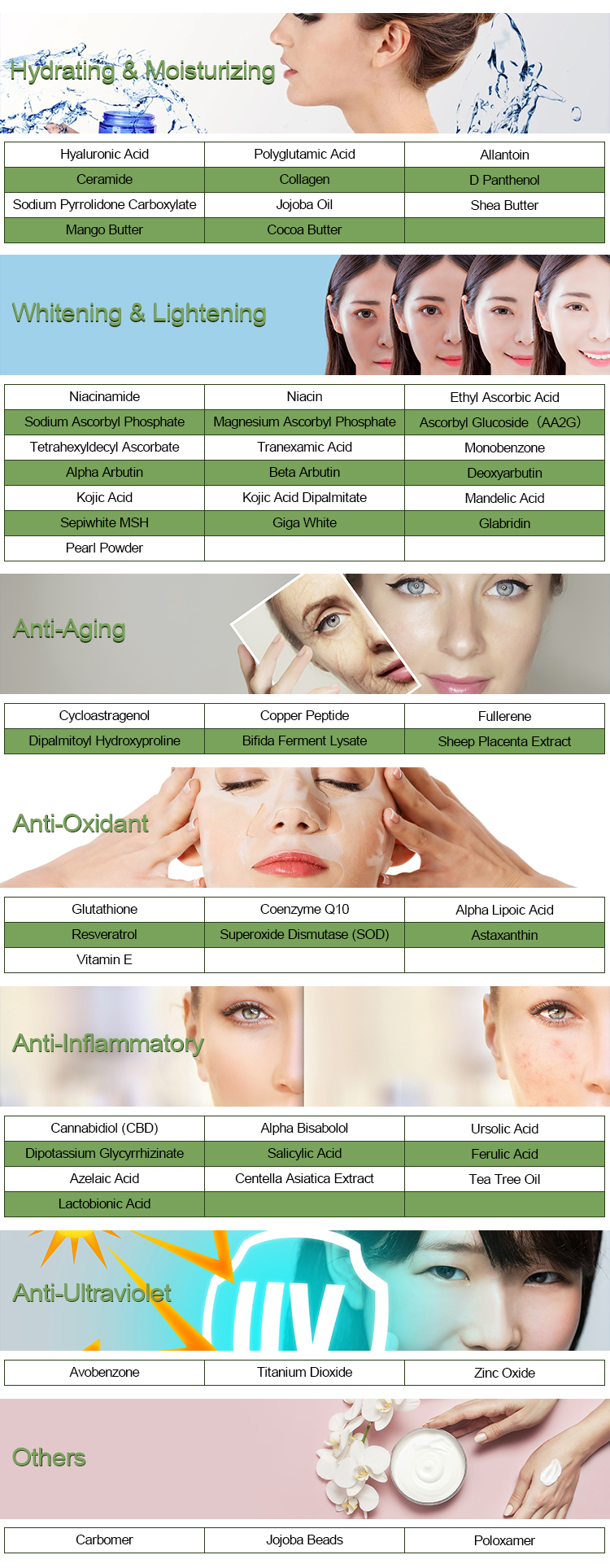
              Tranexamic acid is often used alongside conventional treatments such as:

              • Hydroquinone
              • Kojic acid
              • Chemical peels
              • Laser therapy

              Tranexamic acid provides an alternative for patients who cannot tolerate hydroquinone or other depigmenting agents.
              Effect of Tranexamic Acid on Chloasma

              Conclusion

              Tranexamic acid is an effective treatment for chloasma, particularly for persistent or recurrent cases. However, individual response may vary, and consultation with a dermatologist is recommended before starting Tranexamic acid, especially in patients with a history of blood clotting disorders.

              Would you like information on specific studies or dosage recommendations?

              评论

              此博客中的热门博文

              Basic information of Collagen and Where you can buy Collagen CAS#9064-67-9?

                Collagen   is the most abundant protein in the human body, making up about 30% of the body’s total protein content. It plays a crucial role in providing structure, strength, and elasticity to various tissues and organs, including the skin, bones, tendons, ligaments, blood vessels, and even the cornea of the eyes. Types of Collagen There are at least 28 types of collagen, but the most common types are: Type I:  The most abundant form, found in skin, bones, tendons, and ligaments. Type II:  Found in cartilage and helps provide joint support. Type III:  Found in the skin, muscles, and blood vessels, often present alongside type I collagen. Type IV:  Found in the layers of the skin and the kidneys. Type V:  Found in the cornea of the eye, hair, and placenta. Structure of Collagen Collagen is made up of amino acids, primarily glycine, proline, and hydroxyproline. These amino acids form a triple-helix structure, which provides the tensile strength and...

              Comprehensive study on White Willow Extract

              Studying   white willow extract   involves exploring its botanical properties, historical uses, active compounds, potential health benefits, and safety considerations. Here’s a comprehensive overview: Botanical Overview: Scientific Name:  Salix alba Common Names:  White willow, European willow Description:  A deciduous tree native to Europe and Asia, known for its slender leaves and grayish bark. Active Compounds: Salicin:  Primary active compound, a natural precursor to salicylic acid. Flavonoids:  Including flavonols and catechins, contributing to antioxidant properties. Phenolic Glycosides:  Various compounds with potential health benefits. Historical Use: Traditional Medicine:  Used for centuries in traditional European and Asian medicine for pain relief, fever reduction, and inflammatory conditions. Health Benefits and Current Research: Pain Relief:  Acts similarly to aspirin in relieving pain and inflammation due to salicin’s conve...

              How best to use the Hericium Erinaceus Capsule?

                Hericium erinaceus, commonly known as lion’s mane mushroom, is a type of edible and medicinal mushroom with potential health benefits. Lion’s mane mushroom is often consumed in various forms, including capsules, powders, extracts, and as a whole food. If you have lion’s mane mushroom in capsule form ( Hericium erinaceus capsule ), here are some tips on how to use them effectively: Follow Dosage Instructions:  The dosage can vary depending on the concentration of the active ingredients in the capsules and individual factors such as age, weight, and health condition. Always follow the recommended dosage instructions provided on the product packaging or by a healthcare professional. Consistency is Key:  Like many supplements, lion’s mane may take time to produce noticeable effects. Consistent use over time is often more effective than sporadic usage. Stick to a regular dosing schedule to maximize the potential benefits. Take with Food:  It’s generally recommended to t...