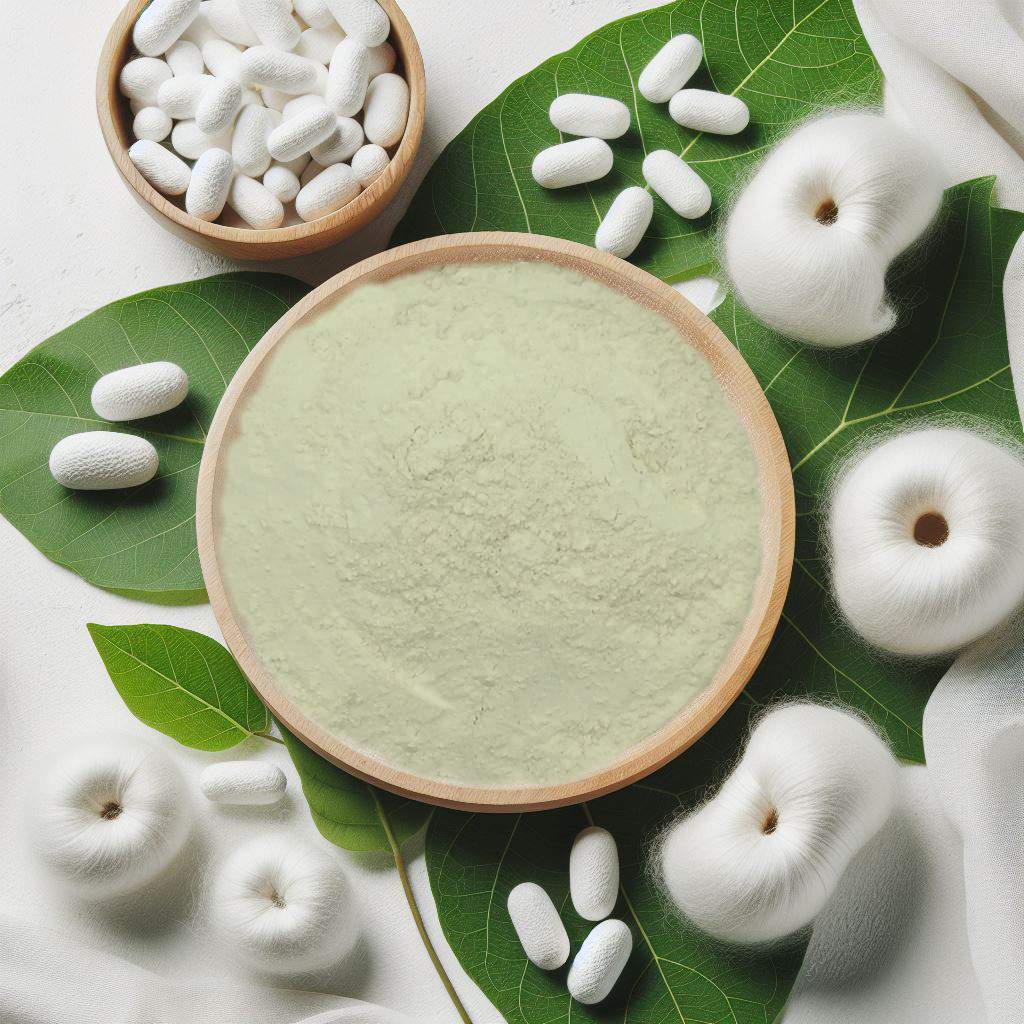
Silk fibroin, a protein derived from the silk of silkworms (Bombyx mori), has gained attention in various biomedical applications due to its biocompatibility, biodegradability, and potential for use in drug delivery, tissue engineering, and wound healing. Research into its effect on diabetes mellitus is still in its early stages, but there are several promising findings regarding its potential role in managing diabetes, particularly in the following areas:
1. Antioxidant Properties
Diabetes mellitus is associated with an increase in oxidative stress, which contributes to complications such as neuropathy, retinopathy, and cardiovascular disease. Silk fibroin has demonstrated antioxidant properties, which may help to reduce oxidative damage caused by hyperglycemia, potentially mitigating some of the complications associated with diabetes.
2. Anti-inflammatory Effects
Chronic inflammation is a key contributor to insulin resistance and the progression of type 2 diabetes. Some studies suggest that silk fibroin may have anti-inflammatory effects, which could help in reducing the inflammation that plays a role in the pathogenesis of diabetes.

3. Wound Healing and Skin Regeneration
People with diabetes are more prone to developing chronic wounds due to poor circulation and impaired healing. Silk fibroin has been shown to promote wound healing by enhancing collagen formation and supporting the regeneration of tissue. This property could be particularly beneficial for diabetic patients dealing with ulcers or other chronic wounds.
4. Insulin Delivery Systems
One of the most exciting areas of research involves the use of silk fibroin in drug delivery systems. It has been investigated for encapsulating insulin or other antidiabetic drugs to enhance their stability and controlled release. Silk fibroin-based delivery systems could help in developing more efficient methods for insulin delivery, improving glycemic control in diabetic patients.
5. Glucose-Sensitive Hydrogels
Silk fibroin can be used to create hydrogels that respond to changes in glucose levels. These hydrogels can be designed to release insulin or other therapeutic agents in response to fluctuations in blood glucose, making them potential candidates for new diabetic treatments.
6. Cell Regeneration and Pancreatic Islet Encapsulation
Silk fibroin has shown potential for use in tissue engineering, including in the encapsulation of pancreatic islets. This could help in developing more effective therapies for type 1 diabetes, where the body’s insulin-producing beta cells are destroyed. The fibroin could help protect the islets from immune rejection and enhance their functionality.
7. Possible Antidiabetic Activity
Some animal studies have suggested that silk fibroin or its derivatives might have direct effects on glucose metabolism, such as improving insulin sensitivity. While these effects are not yet well-established in clinical trials, they open up avenues for further investigation.
Challenges and Future Directions
Despite these promising findings, the research on silk fibroin in the context of diabetes is still largely experimental, and more clinical trials are needed to confirm its efficacy and safety in diabetic patients. The potential for silk fibroin to enhance drug delivery, tissue repair, and manage diabetes complications is considerable, but its application in diabetes therapy is yet to reach widespread clinical use.
Conclusion
While the research into the effect of silk fibroin on diabetes mellitus is promising, it is still in the early stages. Its antioxidant, anti-inflammatory, and tissue-regenerative properties, combined with its potential as a drug delivery system, suggest that silk fibroin could play a significant role in the future management of diabetes. However, more research is needed to fully understand its mechanisms and clinical applications.
评论
发表评论