Chitosan and carboxymethyl chitosan are both derived from chitin, a natural polymer found in the shells of crustaceans like shrimp and crabs. However, they differ in their chemical structures and properties due to the modifications made during their synthesis. Here’s a breakdown of their differences:
1. Chemical Structure:
- Chitosan: Chitosan is the deacetylated form of chitin. It is a linear polysaccharide made up of repeating units of glucosamine (GlcN) and N-acetylglucosamine (GlcNAc). It is primarily a polymer of glucosamine with amino groups that can interact with various substances.
- Carboxymethyl Chitosan (CMC): Carboxymethyl chitosan is a derivative of chitosan in which carboxymethyl groups (-CH2COOH) are introduced onto the chitosan polymer. This modification occurs via chemical reaction with chloroacetic acid. The addition of the carboxymethyl group imparts additional hydrophilicity (water solubility) and makes the polymer more functional in certain applications.
2. Solubility:
- Chitosan: Chitosan is typically soluble in acidic conditions (pH below 6.5) due to the protonation of its amino groups. It is generally insoluble in neutral and alkaline environments.
- Carboxymethyl Chitosan (CMC): Carboxymethyl chitosan is water-soluble over a wider range of pH (from acidic to neutral and even slightly alkaline conditions), thanks to the carboxymethyl groups. This makes CMC more versatile in various aqueous applications.
3. Properties:
- Chitosan: It is known for its biocompatibility, biodegradability, antimicrobial properties, and ability to form films or gels. Its applications include drug delivery, wound healing, food preservation, and weight loss supplements.
- Carboxymethyl Chitosan (CMC): The addition of carboxymethyl groups gives CMC enhanced water solubility, increased bioactivity, and a higher degree of interaction with biological systems, making it useful in areas such as drug delivery, biomedical applications, and tissue engineering. Its negative charge from the carboxyl groups also makes it a good candidate for certain biochemical interactions.
4. Applications:
- Chitosan: Used primarily in the food industry as a fat replacer, in biomedical applications like wound dressings, as a dietary supplement for weight loss, in cosmetics, and as a water purifier.
- Carboxymethyl Chitosan (CMC): Due to its water solubility and enhanced bioactivity, CMC is widely used in drug delivery systems, tissue engineering, wound healing, and as a thickening agent in food and cosmetic formulations.
5. Biological Activities:
- Chitosan: Known for its antimicrobial, antifungal, and cholesterol-lowering effects. It can also promote wound healing and has been studied for its anticancer properties.
- Carboxymethyl Chitosan (CMC): CMC has similar biological activities, but the carboxymethylation can enhance its ability to interact with cells and tissues, potentially offering improved effectiveness in some therapeutic areas like drug delivery and tissue regeneration.
6. Modification and Synthesis:
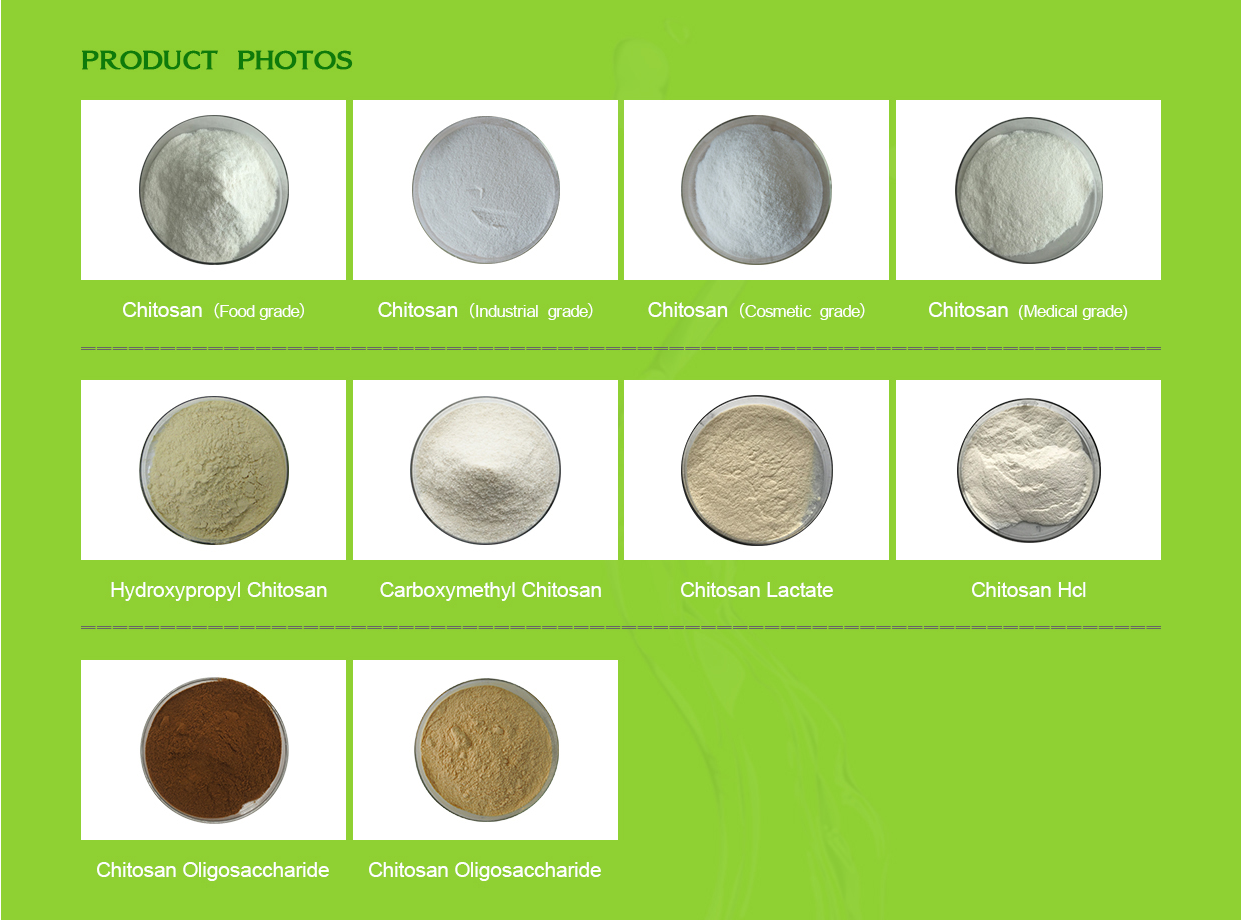
- Chitosan: Chitosan is obtained by deacetylating chitin using alkaline treatment, which removes the acetyl groups and increases the number of amino groups.
- Carboxymethyl Chitosan (CMC): Carboxymethyl chitosan is produced by reacting chitosan with chloroacetic acid or sodium chloroacetate in an alkaline medium. This introduces the carboxymethyl groups to the chitosan structure.
In summary, carboxymethyl chitosan is a modified form of chitosan, with the addition of carboxymethyl groups that improve its solubility and functional properties, particularly for applications in pharmaceuticals, biomedical fields, and as a versatile biopolymer in water-based systems.
评论
发表评论