跳至主要内容

Comprehensive research of Finasteride

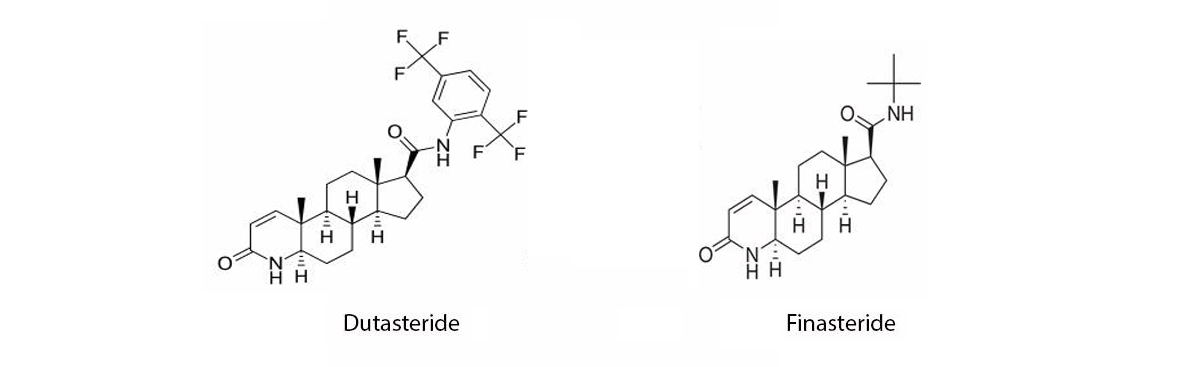
 Finasteride is a medication primarily used to treat benign prostatic hyperplasia (BPH) and male pattern baldness (androgenetic alopecia). It belongs to a class of drugs known as 5-alpha-reductase inhibitors. Here’s a comprehensive overview of finasteride based on information available up to September 2021:
Comprehensive research of Finasteride

Mechanism of Action:

Finasteride works by inhibiting the enzyme 5-alpha-reductase, which converts testosterone into its more potent form, dihydrotestosterone (DHT). DHT is implicated in the development of BPH and androgenetic alopecia. By reducing DHT levels, finasteride helps alleviate urinary symptoms associated with BPH and slows down hair loss in individuals with male pattern baldness.

Clinical Uses:

1.Benign Prostatic Hyperplasia (BPH): Finasteride is approved for treating BPH, a condition where the prostate gland enlarges and leads to urinary symptoms such as frequent urination, weak urine flow, and difficulty starting and stopping urination.

2.Androgenetic Alopecia: Finasteride is also used off-label to treat male pattern baldness. It can promote hair regrowth and slow down hair loss in men experiencing androgenetic alopecia.

Research and Effectiveness:

1.BPH: Numerous clinical studies have shown that finasteride is effective in reducing the size of the prostate gland and improving urinary symptoms in men with BPH. It has been compared to a placebo and other medications such as alpha-blockers, showing comparable or even better symptom improvement.

2.Androgenetic Alopecia: Clinical trials have demonstrated that finasteride is effective in promoting hair growth and slowing down hair loss in men with androgenetic alopecia. Studies have shown that the drug can increase hair count and improve hair appearance.

Side Effects:

While finasteride is generally well-tolerated, it can cause side effects in some individuals. The most notable concern is its potential impact on sexual function. Some men may experience:

  • Decreased libido (sex drive)
  • Erectile dysfunction
  • Decreased ejaculate volume

These side effects are generally reversible upon discontinuation of the medication, but they can persist in some cases.

Comprehensive research of Finasteride

Safety Concerns:

Finasteride has been associated with a small risk of developing high-grade prostate cancer, which is a more aggressive form of the disease. However, the absolute risk is low, and finasteride is not typically used as a cancer treatment.

Important Considerations:

  • Pregnant women should avoid handling crushed or broken finasteride tablets as the drug can be absorbed through the skin and potentially harm the developing male fetus.
  • Before starting finasteride, individuals should discuss their medical history, including any prostate issues, with a healthcare professional.
  • Regular medical follow-ups are recommended to monitor the effectiveness and potential side effects of the medication.

Remember that medical information is subject to change as new research emerges. For the most up-to-date and accurate information, consult a medical professional or trusted healthcare source.

评论

此博客中的热门博文

Basic information of Collagen and Where you can buy Collagen CAS#9064-67-9?

  Collagen   is the most abundant protein in the human body, making up about 30% of the body’s total protein content. It plays a crucial role in providing structure, strength, and elasticity to various tissues and organs, including the skin, bones, tendons, ligaments, blood vessels, and even the cornea of the eyes. Types of Collagen There are at least 28 types of collagen, but the most common types are: Type I:  The most abundant form, found in skin, bones, tendons, and ligaments. Type II:  Found in cartilage and helps provide joint support. Type III:  Found in the skin, muscles, and blood vessels, often present alongside type I collagen. Type IV:  Found in the layers of the skin and the kidneys. Type V:  Found in the cornea of the eye, hair, and placenta. Structure of Collagen Collagen is made up of amino acids, primarily glycine, proline, and hydroxyproline. These amino acids form a triple-helix structure, which provides the tensile strength and...

Comprehensive study on White Willow Extract

Studying   white willow extract   involves exploring its botanical properties, historical uses, active compounds, potential health benefits, and safety considerations. Here’s a comprehensive overview: Botanical Overview: Scientific Name:  Salix alba Common Names:  White willow, European willow Description:  A deciduous tree native to Europe and Asia, known for its slender leaves and grayish bark. Active Compounds: Salicin:  Primary active compound, a natural precursor to salicylic acid. Flavonoids:  Including flavonols and catechins, contributing to antioxidant properties. Phenolic Glycosides:  Various compounds with potential health benefits. Historical Use: Traditional Medicine:  Used for centuries in traditional European and Asian medicine for pain relief, fever reduction, and inflammatory conditions. Health Benefits and Current Research: Pain Relief:  Acts similarly to aspirin in relieving pain and inflammation due to salicin’s conve...

How best to use the Hericium Erinaceus Capsule?

  Hericium erinaceus, commonly known as lion’s mane mushroom, is a type of edible and medicinal mushroom with potential health benefits. Lion’s mane mushroom is often consumed in various forms, including capsules, powders, extracts, and as a whole food. If you have lion’s mane mushroom in capsule form ( Hericium erinaceus capsule ), here are some tips on how to use them effectively: Follow Dosage Instructions:  The dosage can vary depending on the concentration of the active ingredients in the capsules and individual factors such as age, weight, and health condition. Always follow the recommended dosage instructions provided on the product packaging or by a healthcare professional. Consistency is Key:  Like many supplements, lion’s mane may take time to produce noticeable effects. Consistent use over time is often more effective than sporadic usage. Stick to a regular dosing schedule to maximize the potential benefits. Take with Food:  It’s generally recommended to t...