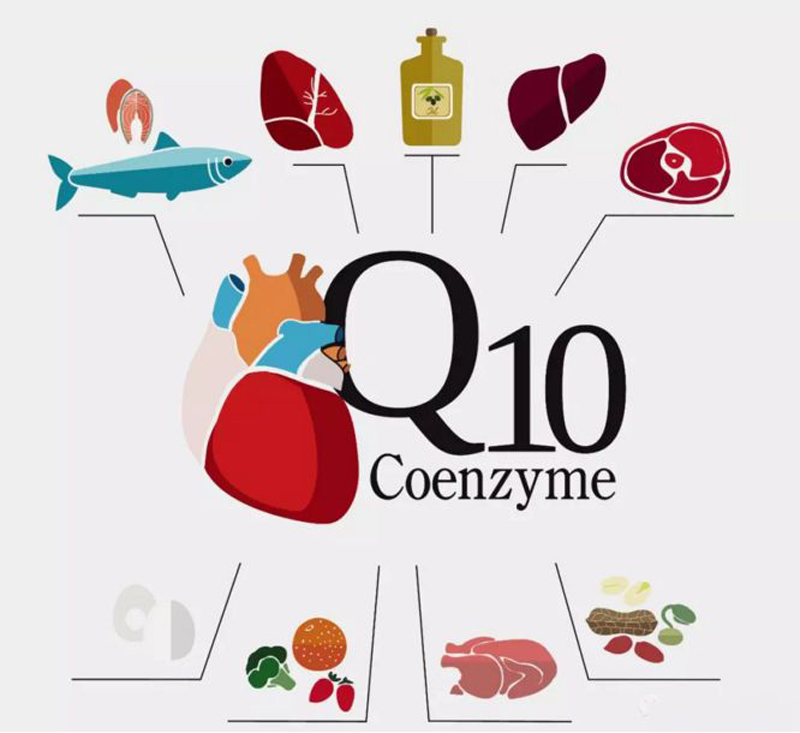
Coenzyme Q10 (CoQ10), also known as ubiquinone, is a compound naturally present in the human body that plays a critical role in cellular energy production and has powerful antioxidant properties. Its benefits extend across various fields, including health, skincare, and athletics. Here are some of its main applications:
1. Cardiovascular Health
- Coenzyme Q10 supports heart health by aiding energy production in heart cells and reducing oxidative damage. Studies suggest that Coenzyme Q10 can improve symptoms in people with heart conditions like congestive heart failure, hypertension, and angina.
- It is often recommended as a supplement alongside traditional heart medications, as it may enhance blood vessel health and lower blood pressure.
2. Energy and Exercise Performance
- Coenzyme Q10 is essential in the mitochondria’s electron transport chain, where it helps produce adenosine triphosphate (ATP), the body’s main energy molecule.
- Athletes and active individuals sometimes use Coenzyme Q10 to improve exercise performance, stamina, and recovery by reducing oxidative stress and improving muscular energy.
3. Neurodegenerative Disorders
- Coenzyme Q10 may have neuroprotective effects due to its antioxidant properties, making it a potential therapeutic option for neurodegenerative diseases like Parkinson’s, Alzheimer’s, and Huntington’s.
- Research shows Coenzyme Q10 might help delay the progression of such disorders by reducing oxidative damage to neurons and supporting mitochondrial function.
4. Skin Health and Anti-Aging
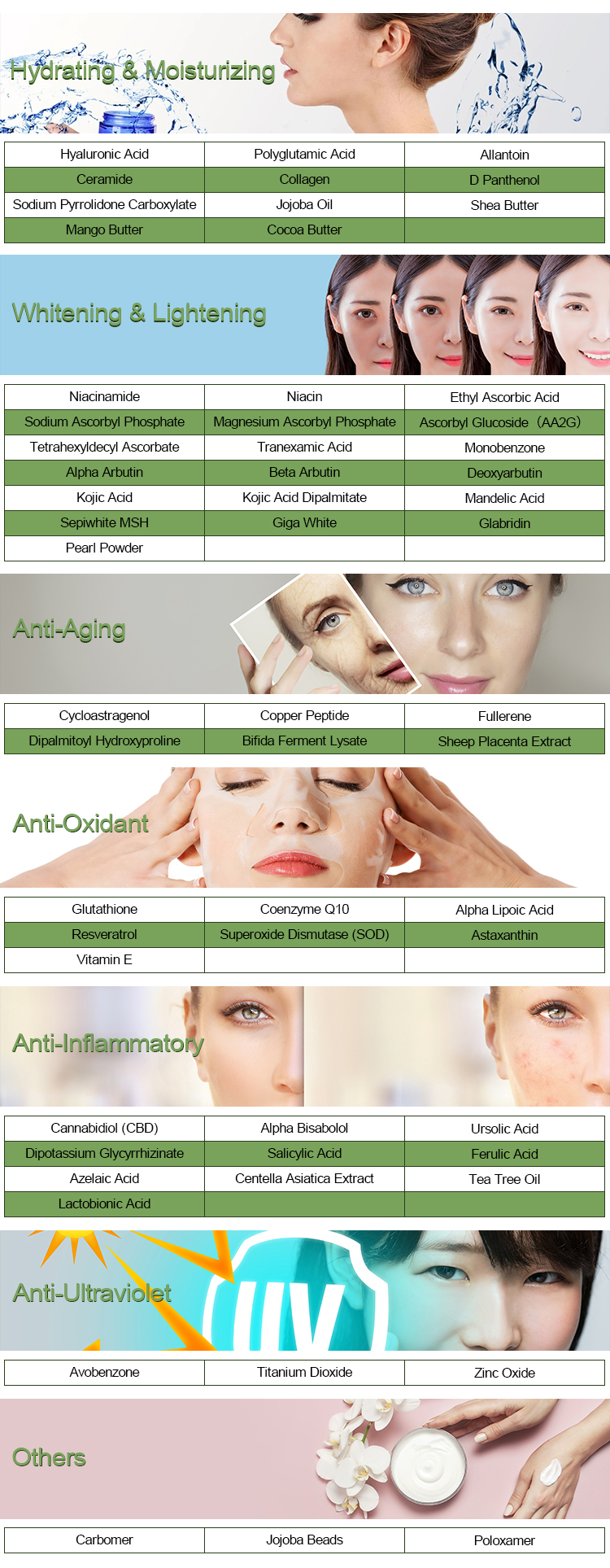
- In skincare, Coenzyme Q10 is used for its anti-aging benefits as it reduces fine lines, wrinkles, and age-related dullness by fighting oxidative stress and promoting cellular energy in skin cells.
- Many topical creams and serums contain Coenzyme Q10, as it penetrates the skin to improve elasticity, stimulate collagen production, and enhance the skin’s ability to repair itself.
5. Management of Diabetes
- Coenzyme Q10 may help improve blood sugar control and insulin sensitivity, possibly benefiting people with type 2 diabetes.
- It may also reduce oxidative stress related to high blood sugar levels, which helps prevent diabetes-related complications.
- Coenzyme Q10 has shown promise in preventing migraines by improving mitochondrial function, which is often impaired in individuals with migraines.
- Some studies have demonstrated that Coenzyme Q10 supplementation can reduce the frequency and severity of migraine attacks.
7. Immune System Support
- The antioxidant properties of Coenzyme Q10 help strengthen the immune system by protecting cells from free radical damage.
- It has been studied as a supplement for those with weakened immune systems or conditions associated with chronic oxidative stress, potentially enhancing immune response and resilience.
8. Fertility Enhancement
- Coenzyme Q10 plays a role in improving sperm quality in men and egg quality in women, likely due to its cellular energy-boosting and antioxidant effects.
- It is sometimes recommended for couples experiencing fertility issues, as it may improve both egg and sperm viability and quality.
9. Chemotherapy Support
- Coenzyme Q10 may help alleviate side effects in cancer patients undergoing chemotherapy, though research is ongoing.
- Its antioxidant effects can help reduce oxidative stress associated with certain chemotherapy drugs, potentially reducing toxicity and improving quality of life.
Dosage and Safety
- Common dosages of Coenzyme Q10 range from 30 to 200 mg per day, but higher doses may be used for certain conditions. It’s generally well-tolerated but should be used under medical supervision, especially if taken alongside medications.
In conclusion, Coenzyme Q10’s multifaceted role in energy production and antioxidant defense makes it beneficial for various health applications, particularly for conditions associated with aging, oxidative stress, and impaired energy production.
评论
发表评论