When discussing D-Chiro-Inositol, “comparability” usually refers to how similar D-Chiro-Inositol is across different sources, chemical forms, purity levels, doses, or physiological contexts. Below are the key dimensions of comparability.
(1) Chemical Comparability
D-Chiro-Inositol is chemically identical regardless of origin
1. D-Chiro-Inositol is a specific stereoisomer of inositol (one of the nine possible stereoisomers).
2. Its chemical structure (C₆H₁₂O₆) and stereochemistry are the same whether it comes from:
- synthetic production
- plant extraction (e.g., buckwheat, soy, carob)
- microbial fermentation
Therefore, chemically pure D-Chiro-Inositol is fully comparable across sources.
(2) Purity and Form Comparability
D-Chiro-Inositol in supplements comes in a few forms:
Common forms
- Pure D-Chiro-Inositol powder/crystal
- D-Chiro-Inositol from natural plant extracts
- D-Chiro-Inositol combined with Myo-Inositol (MI) in fixed ratios (e.g., 40:1 MI:DCI formulas used for PCOS)
Factors affecting comparability
- Purity: Pharmaceutical-grade (≥98–99%) vs. crude extracts
- Standardization: Natural extracts may vary in actual D-Chiro-Inositol content
- Presence of co-nutrients: Carob extract may include fiber, polyphenols
- Bioavailability: Pure D-Chiro-Inositol vs. extract-bound forms may differ slightly
Higher purity = higher comparability across batches.
(3) Physiological Comparability
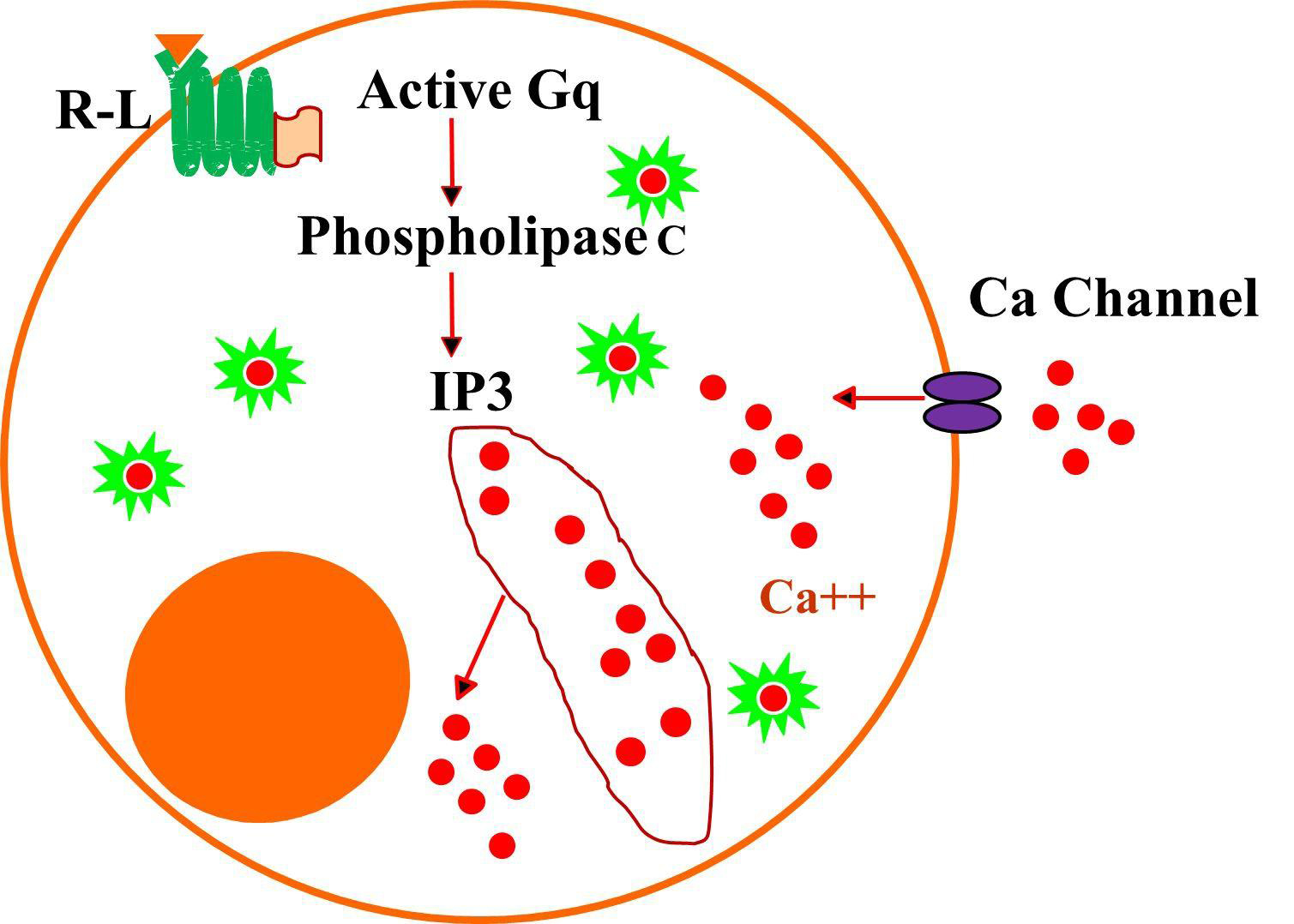
D-Chiro-Inositol is biological activity is consistent across forms because the molecule functions the same way in the body:
Consistent physiological functions
- Activating insulin signaling (via inositol phosphoglycan mediators)
- Regulating glycogen synthesis
- Supporting ovarian hormone pathways
- Contributing to glucose disposal
- Acting in cross-talk with Myo-Inositol conversion pathways
However, comparability varies by tissue function:
- Some tissues naturally convert Myo-Inositol to D-Chiro-Inositol at different rates.
- Ovarian tissue has low conversion ability → affects therapeutic comparability in PCOS.
(4) Dose Comparability
Comparing doses across studies is sometimes difficult because:
- Clinical trials use different ranges (100 mg/day to 1200 mg/day).
- Some studies combine D-Chiro-Inositol with Myo-Inositol; others use D-Chiro-Inositol alone.
- The optimal MI:DCI ratio differs by condition (e.g., PCOS vs. insulin resistance).
Thus, dose comparability across research is often limited.
(5) Clinical Study Comparability
Research on D-Chiro-Inositol can vary in:
- Population (PCOS, diabetics, general metabolic syndrome, athletes)
- Gender and age
- Duration of supplementation
- Combined therapies
- Outcome measures (insulin sensitivity, ovulation, lipids, hormones)
Because of these variables:
- Comparing results across different studies is not always straightforward.
(6) Manufacturing Comparability
Manufacturing methods influence:
- Purity
- Stability
- Residual solvents
- Particle size
- Consistency between batches
Pharmaceutical-grade D-Chiro-Inositol is highly comparable, while food-grade can vary more.
Summary: Is D-Chiro-Inositol comparable across contexts?
| Dimension | Comparability | Notes |
| Chemical structure | High | Identical molecule across sources |
| Purity/form | Moderate | Extracts vs pure D-Chiro-Inositol differ |
| Physiological function | High | Same biological activity |
| Dose across studies | Low–Moderate | Wide variation complicates comparison |
| Clinical outcomes | Low–Moderate | Population and protocol differences |
| Manufacturing | Moderate–High | Depends on purity and QC |
评论
发表评论