D-Panthenol, also known as provitamin B5, is a derivative of pantothenic acid, which is a water-soluble B vitamin. It is commonly used in skincare and haircare products due to its moisturizing and soothing properties. The chemical structure of D-Panthenol allows it to be easily absorbed by the skin and hair, where it is converted into pantothenic acid, an essential nutrient for healthy skin and hair.
The basic chemical formula of D-Panthenol is C9H19NO4, and its systematic name is (R)-2,4-dihydroxy-N-(3-hydroxypropyl)-3,3-dimethylbutanamide.
The molecular structure of D-Panthenol consists of a pantoic acid molecule with an additional alcohol group, making it more soluble in water and enhancing its ability to penetrate the skin and hair.
The basic ingredients required to synthesize D-Panthenol include:
1.Pantothenic Acid: This is the starting material for the synthesis of D-Panthenol.
2.Isobutyraldehyde: It’s used to create the alcohol side chain on the pantoic acid molecule.
3.Hydrogen Cyanide (HCN): HCN is used in a reaction that introduces an amino group to the pantoic acid molecule.
4.Sodium Hydroxide (NaOH): It’s used to neutralize the acidic conditions during the synthesis.
5.Ethanol: It’s used as a solvent and reaction medium during various stages of the synthesis.
6.Other reagents and catalysts: Various chemicals and catalysts might be used in specific steps of the synthesis process.
The synthesis of D-Panthenol involves several chemical reactions to modify the structure of pantothenic acid and add the hydroxypropyl group, resulting in the final structure of D-Panthenol.
It’s important to note that the synthesis of D-Panthenol requires specialized equipment and knowledge of organic chemistry techniques. The resulting D-Panthenol is then often used as an ingredient in various cosmetic and personal care products, including creams, lotions, shampoos, conditioners, and more, to provide moisturizing, hydrating, and soothing effects.

The effect and efficacy of D-Panthenol
D-Panthenol, also known as provitamin B5, is a water-soluble derivative of vitamin B5 (pantothenic acid). It is commonly used in skincare and haircare products due to its potential benefits for the skin and hair. Here are some of the effects and potential efficacies of D-Panthenol:
1. Moisturization and Hydration: D-Panthenol is hygroscopic, meaning it has the ability to attract and retain water. When applied to the skin, it can help improve hydration by binding to water molecules and preventing moisture loss. This makes it effective in moisturizing dry and dehydrated skin, and it is often used in creams, lotions, and serums.
2. Skin Barrier Function: D-Panthenol has been shown to enhance the barrier function of the skin. It helps to strengthen the skin’s natural protective barrier, which can contribute to healthier and more resilient skin. This can be particularly beneficial for individuals with sensitive or compromised skin.
3. Anti-Inflammatory Properties: D-Panthenol has anti-inflammatory properties that can help soothe and calm irritated skin. It can be used to alleviate redness, itching, and discomfort associated with various skin conditions, such as sunburn, minor cuts, and insect bites.
4. Wound Healing: D-Panthenol is believed to promote wound healing by aiding in the regeneration of skin cells and tissues. It can be used to support the healing process of minor wounds, cuts, and burns.
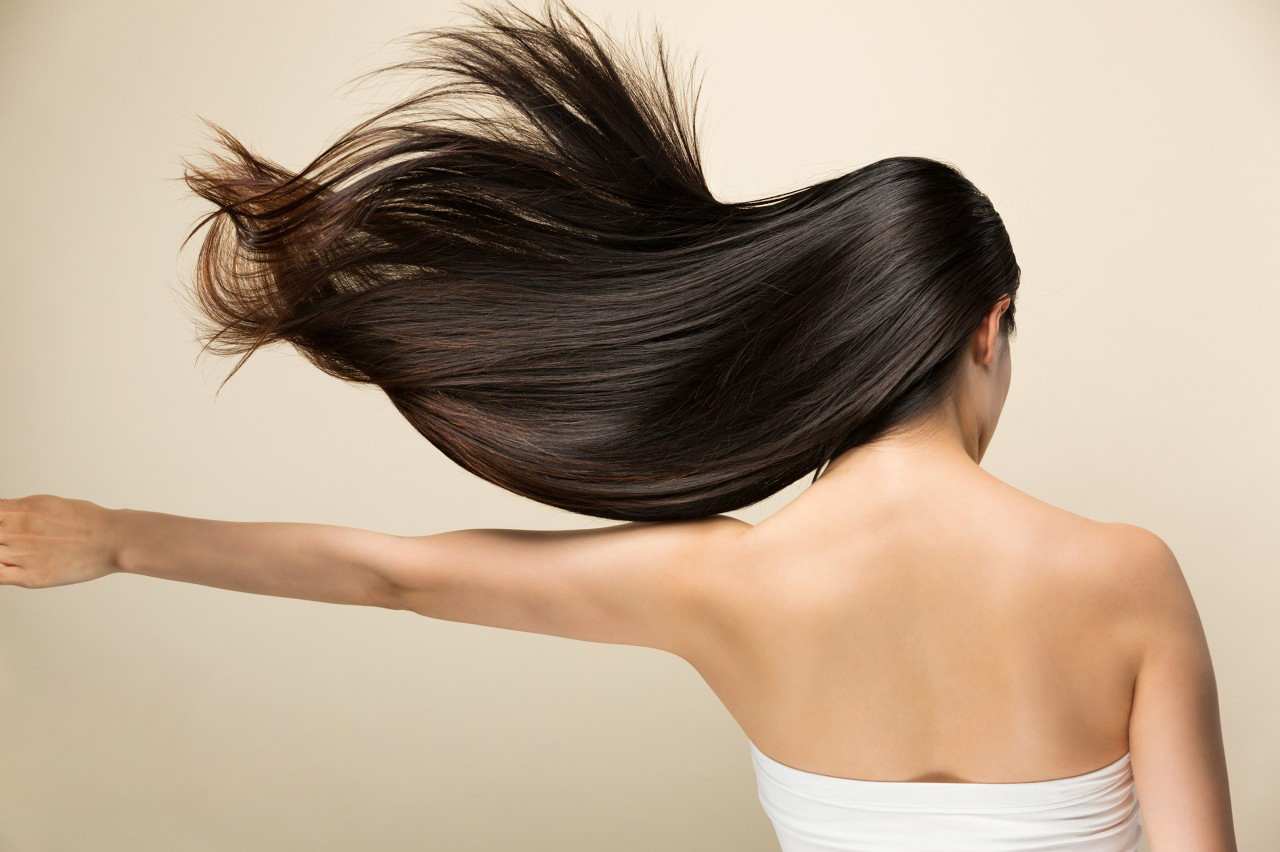
5. Hair Health: D-Panthenol is also used in haircare products due to its potential benefits for hair health. It can penetrate the hair shaft, improving its elasticity and moisture retention. This can lead to smoother, shinier, and more manageable hair. It is often found in shampoos, conditioners, and leave-in treatments.
6. Anti-Aging: The moisturizing and skin barrier-enhancing properties of D-Panthenol can contribute to a more youthful appearance by helping to maintain skin elasticity and hydration. However, its direct impact on reducing visible signs of aging might be limited compared to more specialized anti-aging ingredients.
7. Compatibility: D-Panthenol is generally considered safe and well-tolerated by most skin types. It is non-irritating and suitable for sensitive skin.
8. Formulation: D-Panthenol can be incorporated into various formulations, including creams, lotions, serums, shampoos, and conditioners. It is versatile and can work well in combination with other active ingredients.
It’s important to note that while D-Panthenol has been widely used and studied for its potential benefits, individual responses can vary. As with any skincare or haircare ingredient, it’s recommended to perform a patch test before using products containing D-Panthenol, especially if you have sensitive skin or a history of allergies. If you have specific concerns about your skin or hair, it’s a good idea to consult with a dermatologist or healthcare professional for personalized advice.
评论
发表评论