Pyrroloquinoline Quinone (PQQ) is a small, naturally occurring compound that functions as a redox cofactor. It is involved in various biological processes, primarily as a coenzyme in cellular energy metabolism. Pyrroloquinoline Quinone is particularly known for its role in promoting the growth of certain bacteria, and recent research has suggested it may have beneficial effects on human health as well.
Here are some key points about Pyrroloquinoline Quinone:
1. Chemical Structure
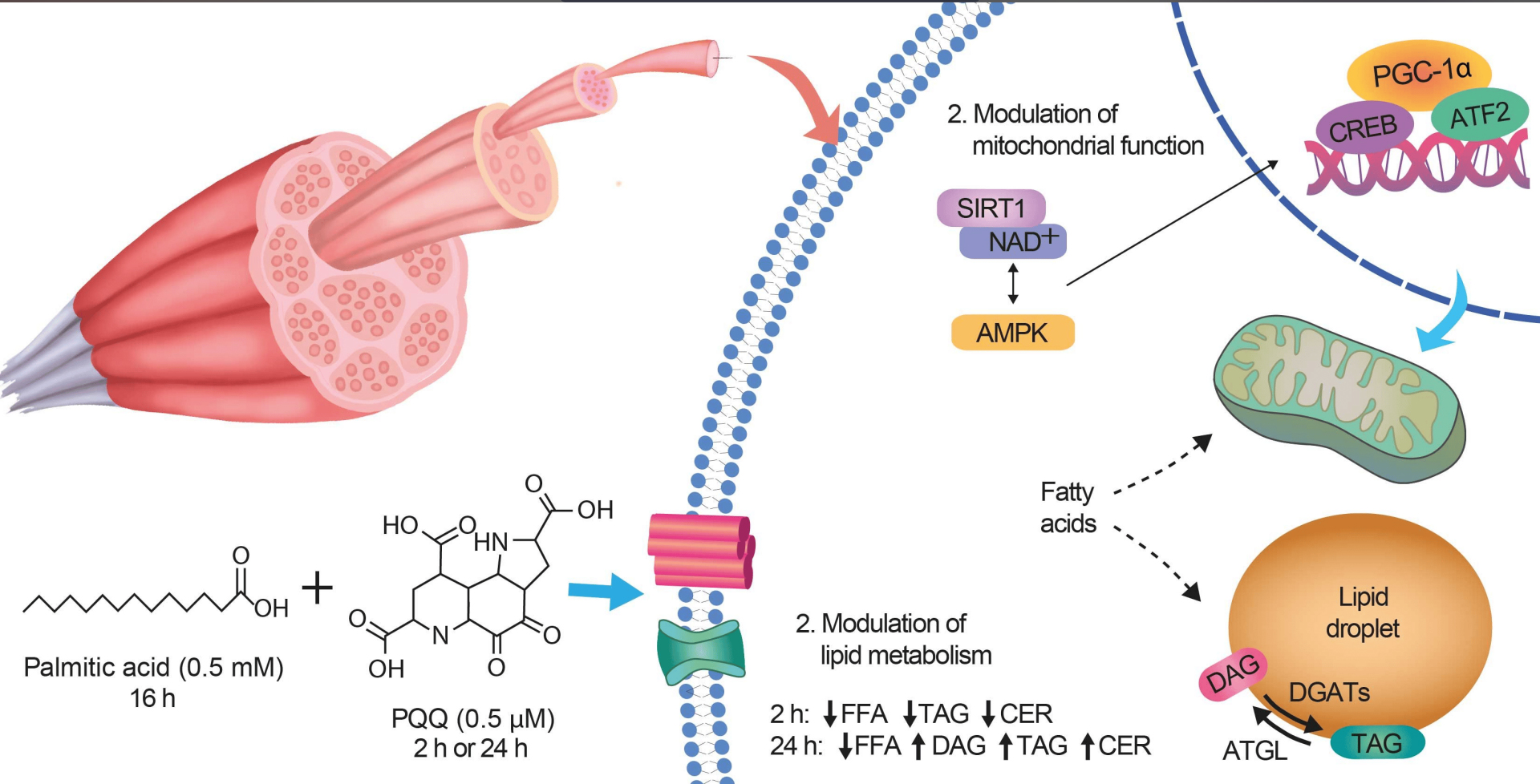
- Pyrroloquinoline Quinone is a heterocyclic compound with a quinone structure, consisting of a pyrroloquinoline ring fused with a quinone moiety.
- Its molecular formula is C14H6N2O4.
2. Sources
- Pyrroloquinoline Quinone is found in a variety of foods, such as fermented soybeans (natto), green tea, parsley, and spinach.
- It is also found in certain bacteria and some plants.
3. Biological Functions
- Redox Coenzyme: Pyrroloquinoline Quinone acts as a redox cofactor in enzymes that facilitate electron transfer in oxidation-reduction reactions, which are important for cellular energy production.
- Mitochondrial Biogenesis: Pyrroloquinoline Quinone has been shown to stimulate the growth of new mitochondria (mitochondrial biogenesis) in cells, which can enhance energy production.
- Antioxidant Properties: It has strong antioxidant properties, scavenging free radicals and reducing oxidative stress. This can be beneficial in reducing damage caused by aging and chronic diseases.
4. Health Benefits
- Cognitive Function: Pyrroloquinoline Quinone has been suggested to support brain health and cognitive function. Some studies have linked it to improvements in memory, learning, and mental clarity.
- Heart Health: Pyrroloquinoline Quinone may support cardiovascular health by reducing oxidative stress and improving mitochondrial function, which is important for heart muscle cells.
- Anti-inflammatory Effects: Pyrroloquinoline Quinone may also exert anti-inflammatory effects, which can help reduce the risk of inflammatory diseases.
- Neuroprotective Effects: Pyrroloquinoline Quinone has been studied for its potential neuroprotective effects, possibly protecting nerve cells from damage due to oxidative stress and supporting brain health in aging.
5. Deficiency and Supplementation
- Pyrroloquinoline Quinone deficiency is not well-studied in humans, but animal studies suggest that it may impact energy production and overall metabolic function.
- Supplementation: Pyrroloquinoline Quinone supplements are available, often marketed as a means to improve cognitive function, energy, and overall health. However, more clinical research is needed to fully confirm its benefits and optimal dosing.
6. Interactions with Other Nutrients
- Pyrroloquinoline Quinone is thought to work synergistically with other nutrients, such as Coenzyme Q10 (CoQ10), which also plays a role in mitochondrial energy production.
7. Safety and Dosage
- Research on the safety of Pyrroloquinoline Quinone supplementation is ongoing, but studies suggest that it is generally safe when taken within recommended doses.
- Common supplement doses range from 10 to 20 mg per day, though some studies have used higher doses.
In summary, Pyrroloquinoline Quinone is a compound with potential antioxidant, neuroprotective, and mitochondrial benefits. While it is present in small amounts in certain foods, its supplementation may offer health benefits, particularly for energy production, cognitive function, and cardiovascular health.
评论
发表评论