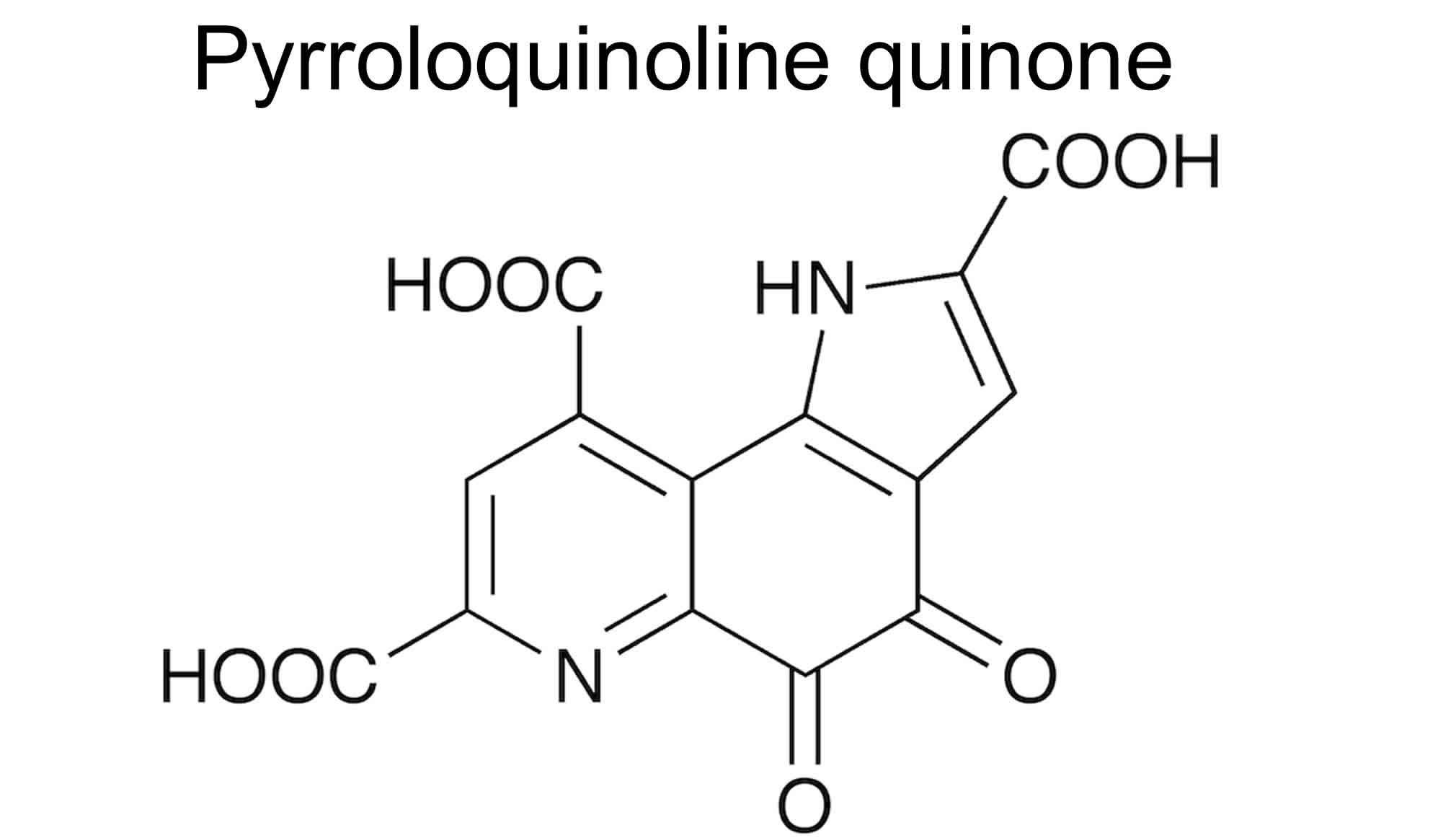
Pyrroloquinoline quinone (PQQ) is a naturally occurring compound that has various potential applications in both health and industrial fields. It is a redox cofactor involved in several biological processes, particularly in mitochondria. Here’s an overview of its applications:
1. Health and Wellness
- Mitochondrial Health: Pyrroloquinoline quinone is known to promote the growth of new mitochondria (mitochondrial biogenesis) and improve mitochondrial function. This has led to research on its potential to combat age-related diseases, neurodegenerative diseases (like Alzheimer’s and Parkinson’s), and improve overall energy levels.
- Antioxidant Properties: Pyrroloquinoline quinone exhibits antioxidant effects, which help protect cells from oxidative stress. It can help reduce inflammation and protect tissues from damage associated with aging and certain diseases.
- Cognitive Function: Due to its ability to stimulate the growth of new mitochondria and its antioxidant properties, Pyrroloquinoline quinone has been studied for its potential benefits in enhancing memory, learning, and other cognitive functions.
- Cardiovascular Health: There is evidence suggesting that Pyrroloquinoline quinone may support heart health by improving endothelial function (which plays a role in blood vessel health) and reducing oxidative damage that can contribute to cardiovascular diseases.
- Metabolic Health: Some studies have found that Pyrroloquinoline quinone supplementation may help with metabolic disorders such as obesity, diabetes, and insulin resistance, possibly by improving mitochondrial function and energy metabolism.
2. Industrial Applications
- Bioelectronics and Sensors: Pyrroloquinoline quinone’s ability to undergo redox reactions makes it useful in bioelectronic devices, including biosensors. It can be used in the development of biofuel cells, where it acts as a catalyst or mediator to enhance energy conversion.
- Agriculture: Pyrroloquinoline quinone has been explored as a potential growth-promoting agent in plants, as it can stimulate the production of plant growth factors and improve resistance to environmental stressors.
- Food Additives: Although not common, Pyrroloquinoline quinone has been studied for use as a food supplement or ingredient, particularly in functional foods aimed at improving energy, cognitive function, or overall health.
3. Therapeutic Applications
- Neuroprotection: There is ongoing research into Pyrroloquinoline quinone’s potential to prevent or mitigate neurodegenerative diseases like Alzheimer’s or Parkinson’s disease. Pyrroloquinoline quinone may help protect neurons by reducing oxidative stress and promoting mitochondrial health.
- Anti-aging: Pyrroloquinoline quinone is thought to play a role in reducing the signs of aging by supporting cellular rejuvenation, enhancing mitochondrial health, and reducing oxidative damage.
4. Cosmetic Applications
- Skin Health: Pyrroloquinoline quinone has been explored in the cosmetic industry for its potential anti-aging properties. Its antioxidant and anti-inflammatory effects may help reduce skin aging, protect against UV-induced damage, and improve skin tone and texture.
5. Animal Feed
- Livestock Health: Pyrroloquinoline quinone is sometimes added to animal feed to promote growth, improve immune responses, and increase overall health and productivity. Research has shown that it may have beneficial effects on the energy metabolism of animals.
6. Research
- Redox Biology: Pyrroloquinoline quinone has been a subject of interest in redox biology due to its unique ability to act as both an electron donor and acceptor in various enzymatic reactions, making it a valuable tool for understanding cellular processes involving redox reactions.
Applications of Pyrroloquinoline quinone is still an active area of research, and while some uses are well-established, others require more extensive clinical trials to fully understand its therapeutic potential.
评论
发表评论