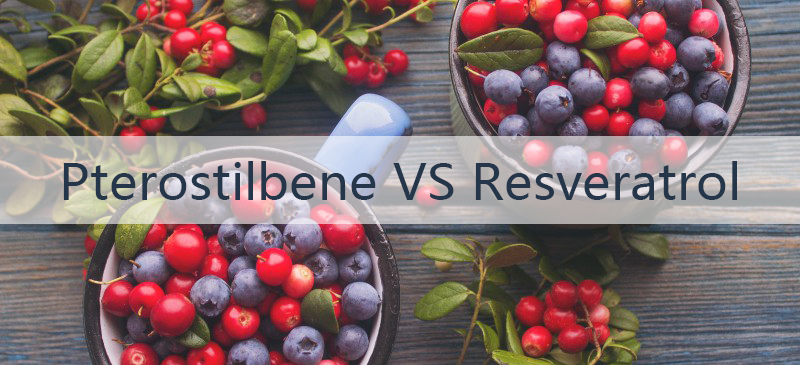
Pterostilbene is a naturally occurring compound found in blueberries, grapes, and certain other plants. It is structurally similar to resveratrol, another compound with antioxidant properties, but has a higher bioavailability and potency. Pterostilbene has gained attention for its potential health benefits, and it is being studied for various applications, primarily in the following areas:
1. Antioxidant and Anti-inflammatory Effects
- Antioxidant properties: Pterostilbene is a potent antioxidant, meaning it helps neutralize free radicals in the body that can cause oxidative stress, which contributes to aging and the development of various diseases like cancer, cardiovascular disease, and neurodegenerative disorders.
- Anti-inflammatory effects: It has shown promise in reducing inflammation, which is a root cause of many chronic diseases, such as arthritis and cardiovascular issues.
2. Cardiovascular Health
- Cholesterol management: Studies have suggested that pterostilbene can help reduce LDL (bad) cholesterol and triglycerides, while potentially increasing HDL (good) cholesterol, which could reduce the risk of heart disease.
- Blood pressure regulation: It may help lower high blood pressure, which contributes to cardiovascular diseases like stroke and heart failure.
3. Anti-cancer Potential
- Pterostilbene has been shown to have anti-cancer properties in some in vitro and animal studies. It may help inhibit the growth of certain cancer cells and reduce the spread of tumors by affecting various cellular pathways, including apoptosis (programmed cell death) and angiogenesis (formation of new blood vessels that supply tumors).
4. Neuroprotective Effects
- Cognitive function: Some studies suggest that pterostilbene can improve cognitive function and protect against neurodegenerative diseases like Alzheimer’s and Parkinson’s by reducing oxidative stress in the brain and supporting neurogenesis (the growth of new neurons).
- Neuroprotection: It may also help protect brain cells from damage caused by free radicals and other harmful molecules, potentially mitigating the effects of age-related cognitive decline.
5. Diabetes Management
- Blood sugar regulation: Pterostilbene may help improve insulin sensitivity and lower blood glucose levels, making it a potential adjunct in the treatment of type 2 diabetes. It has shown promise in animal models by reducing oxidative stress and enhancing the function of insulin.
6. Skin Health
- Anti-aging effects: Pterostilbene‘s antioxidant properties may help protect the skin from the effects of UV radiation and pollution, preventing skin aging and reducing the appearance of wrinkles.
- Anti-inflammatory properties: It can also reduce inflammation in the skin, which may help with conditions like acne or eczema.
7. Anti-aging
- Due to its antioxidant and anti-inflammatory properties, pterostilbene is considered a potential anti-aging compound. By reducing oxidative damage and inflammation, it may slow the aging process and extend lifespan, though further clinical studies are needed.
8. Metabolic Health
- Weight management: Some studies suggest pterostilbene may help with weight loss or weight maintenance by influencing fat metabolism and promoting fat oxidation. It may also help regulate lipid metabolism.
9. Liver Health
- It may have hepatoprotective effects, protecting the liver from damage caused by toxins or oxidative stress and improving liver function.
10. Gut Health
- Some studies suggest that pterostilbene may have a beneficial effect on gut health by reducing inflammation in the intestines and possibly supporting a healthy microbiome.
Current Research & Applications:
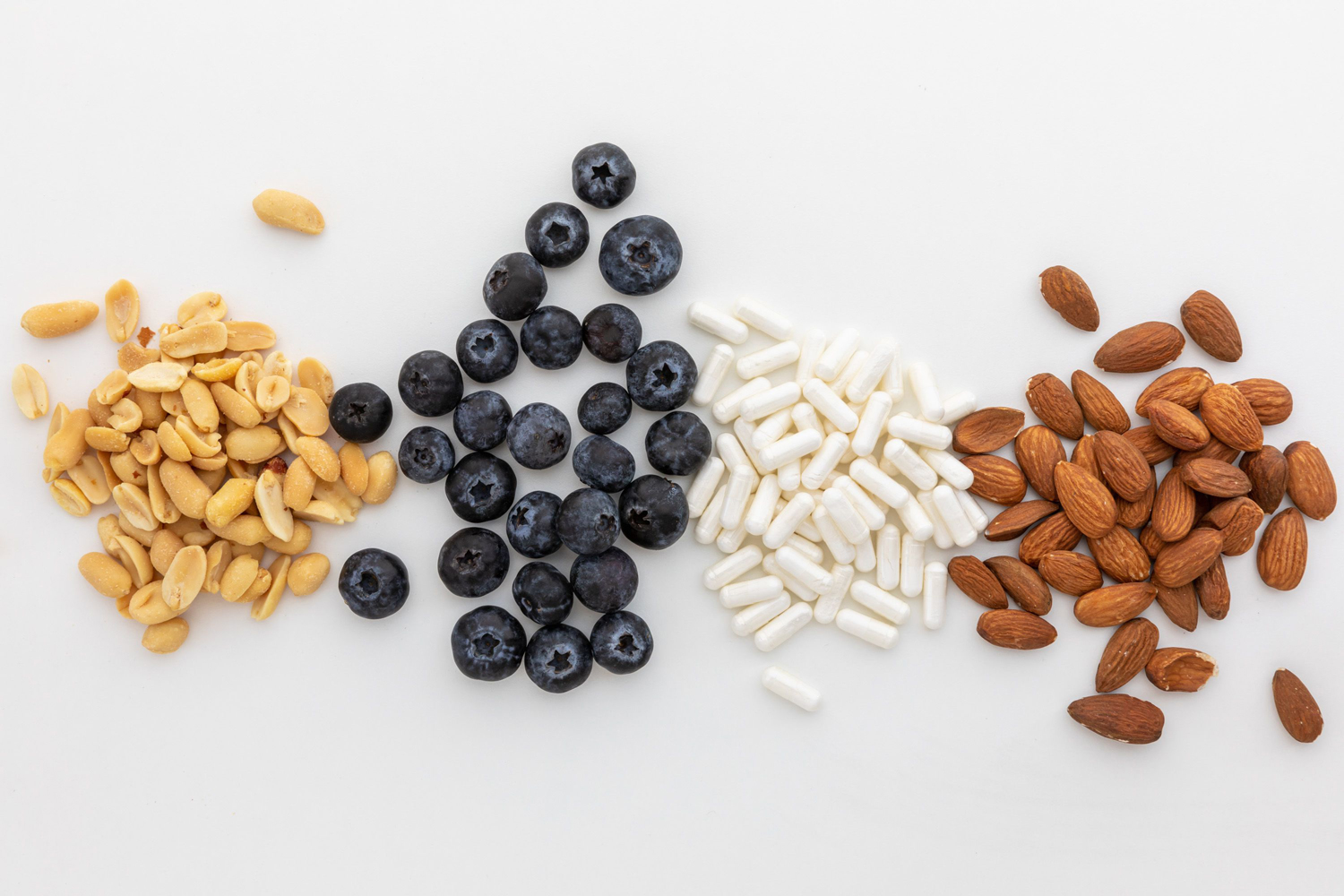
- Supplementation: Due to its bioactive properties, pterostilbene is available in dietary supplements, often marketed for its cognitive-enhancing and anti-aging benefits.
- Potential pharmaceuticals: Given its antioxidant and anti-inflammatory properties, it is also being researched as a potential therapeutic agent for treating diseases like diabetes, cardiovascular disease, and neurodegenerative disorders.
Although much of the research on pterostilbene is still in its early stages, particularly in human clinical trials, the results so far are promising, especially in terms of its anti-inflammatory, antioxidant, and neuroprotective properties.
Safety & Side Effects:
Pterostilbene is generally considered safe when consumed in moderation, especially in the form of food or dietary supplements. However, the long-term safety and efficacy in humans still require more investigation, as most studies have been conducted in animals or in vitro.
If you’re considering pterostilbene as a supplement or for any specific health concern, it’s always a good idea to consult with a healthcare provider.
评论
发表评论