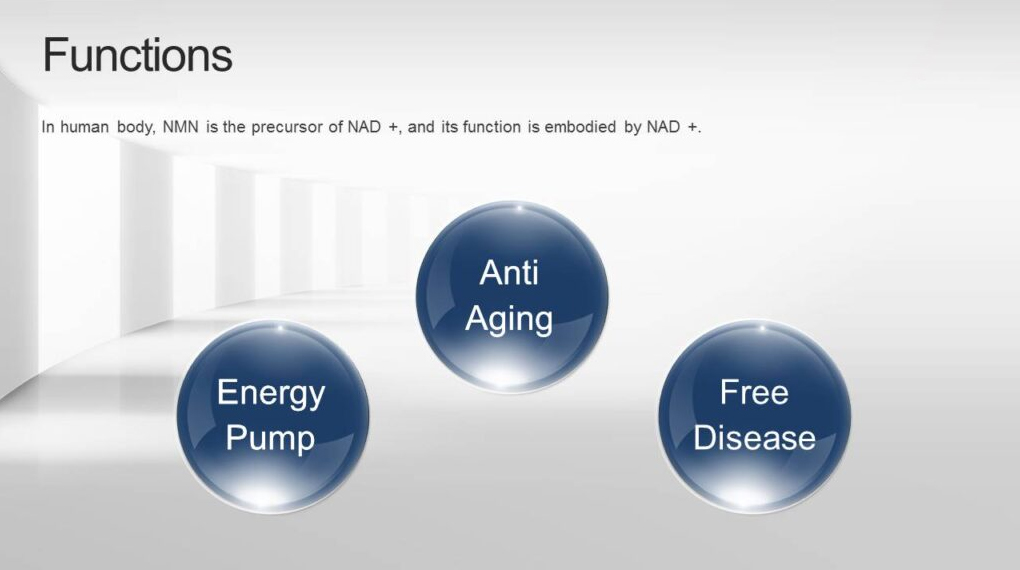
NMN (Nicotinamide mononucleotide) is a nucleotide derived from niacin (vitamin B3) and is involved in various biological processes, particularly in energy metabolism. It is commonly promoted for its potential benefits in promoting longevity and improving overall health by boosting cellular NAD+ (nicotinamide adenine dinucleotide) levels. NAD+ plays a critical role in energy production, DNA repair, and cellular health.
Applications of NMN
1. Anti-Aging and Longevity
- Boosts NAD+ Levels: NAD+ declines with age, and this decrease is linked to several age-related health issues. NMN supplementation helps to increase NAD+ levels, which may improve cellular function, enhance mitochondrial function, and support overall longevity.
- Improves Cellular Repair: NAD+ is involved in activating enzymes such as sirtuins that regulate processes related to aging and DNA repair. By raising NAD+ levels, NMN could help protect cells from damage that accumulates with age.
- Enhances Cellular Metabolism: NMN has been studied for its potential to boost mitochondrial function and energy production, both of which decline with age. Improving these functions could lead to better overall health and vitality as we age.
2. Metabolic Health
- Improves Insulin Sensitivity: Some research suggests that NMN may help improve insulin sensitivity, which is important for managing blood sugar levels and reducing the risk of type 2 diabetes.
- Supports Healthy Weight Management: By improving energy metabolism and promoting the function of brown adipose tissue (BAT), NMN may help with maintaining a healthy weight and preventing obesity.
- Lipid Metabolism: NMN has also shown potential in improving lipid profiles by increasing the rate at which fats are metabolized, which could support cardiovascular health.
3. Cognitive Health
- Neuroprotection: Increased NAD+ levels may help protect brain cells from oxidative stress and improve cognitive function. Some animal studies suggest NMN could enhance memory, learning, and overall brain function by supporting the health of neurons.
- Alzheimer’s and Neurodegenerative Diseases: Research on NMN’s effects on neurodegenerative conditions like Alzheimer’s disease and Parkinson’s disease is ongoing. Its role in NAD+ restoration might help reduce the effects of these conditions by improving mitochondrial function and reducing inflammation.
4. Cardiovascular Health
- Improves Endothelial Function: NMN supplementation may improve the health of the endothelial cells that line blood vessels. This could help lower blood pressure, improve blood flow, and reduce the risk of cardiovascular diseases.
- Reduced Arterial Stiffness: In some studies, NMN has been shown to reduce arterial stiffness, which is a risk factor for cardiovascular disease, especially in older adults.
5. Exercise Performance
- Enhanced Physical Endurance: Some studies suggest that NMN supplementation may improve exercise performance by enhancing the energy production within cells. This could lead to greater endurance and less fatigue during physical activity.
- Muscle Health: NMN may also support muscle regeneration and reduce age-related muscle loss (sarcopenia) by maintaining mitochondrial health in muscle cells.
6. Immune System Support
- Boosts Immune Function: Some research suggests that NMN may help strengthen the immune system, particularly in aging individuals whose immune response typically weakens over time. By boosting NAD+ levels, NMN could improve the body’s ability to fight infections and respond to vaccines.
7. Skin Health
- Improves Skin Elasticity and Appearance: Since NAD+ plays a key role in maintaining skin cells’ energy and function, NMN may help reduce signs of aging in the skin, such as wrinkles and sagging. It may also aid in skin regeneration and protect against UV-induced damage.
8. Potential Cancer Research
- DNA Repair and Tumor Suppression: There is preliminary research suggesting that NMN may play a role in DNA repair and the regulation of cell growth, which could have implications for cancer prevention or treatment. However, more research is needed to fully understand its role in cancer biology.
9. Mitochondrial Dysfunction and Fatigue
- Treating Mitochondrial Disorders: NMN has potential in treating conditions caused by mitochondrial dysfunction, including certain genetic disorders that impair mitochondrial activity. By improving mitochondrial function, NMN could alleviate symptoms such as chronic fatigue.
10. Potential Use in Genetic Diseases
- Therapeutic Effects in Rare Genetic Disorders: Researchers are exploring the use of NMN in conditions related to NAD+ deficiency, such as certain inherited diseases that affect energy metabolism. Its ability to enhance NAD+ biosynthesis could potentially be used to treat these rare conditions.
Safety and Side Effects
Although NMN is generally considered safe when taken in moderate amounts, long-term studies on its safety are still limited. As with any supplement, it’s important to use NMN with caution, particularly in those with underlying health conditions or who are pregnant or breastfeeding. Consulting a healthcare provider before beginning supplementation is recommended.
While the current research on NMN is promising, many of the benefits are still being explored in clinical trials, and its full potential is yet to be fully understood.
From cellsbio health technology co.,ltd
评论
发表评论