Fish collagen is a type of collagen protein derived from the skin, scales, and bones of various species of fish. Collagen is the most abundant protein in the human body and is a crucial component of connective tissues, such as skin, bones, tendons, and cartilage. It provides structural support, elasticity, and strength to these tissues.
Fish collagen, like other forms of collagen, is composed of amino acids, particularly glycine, proline, and hydroxyproline. It is processed from fish by-products that are often discarded in the seafood industry. The extraction process typically involves cleaning and enzymatic treatment to break down the collagen into smaller peptides that are more easily absorbed by the body.
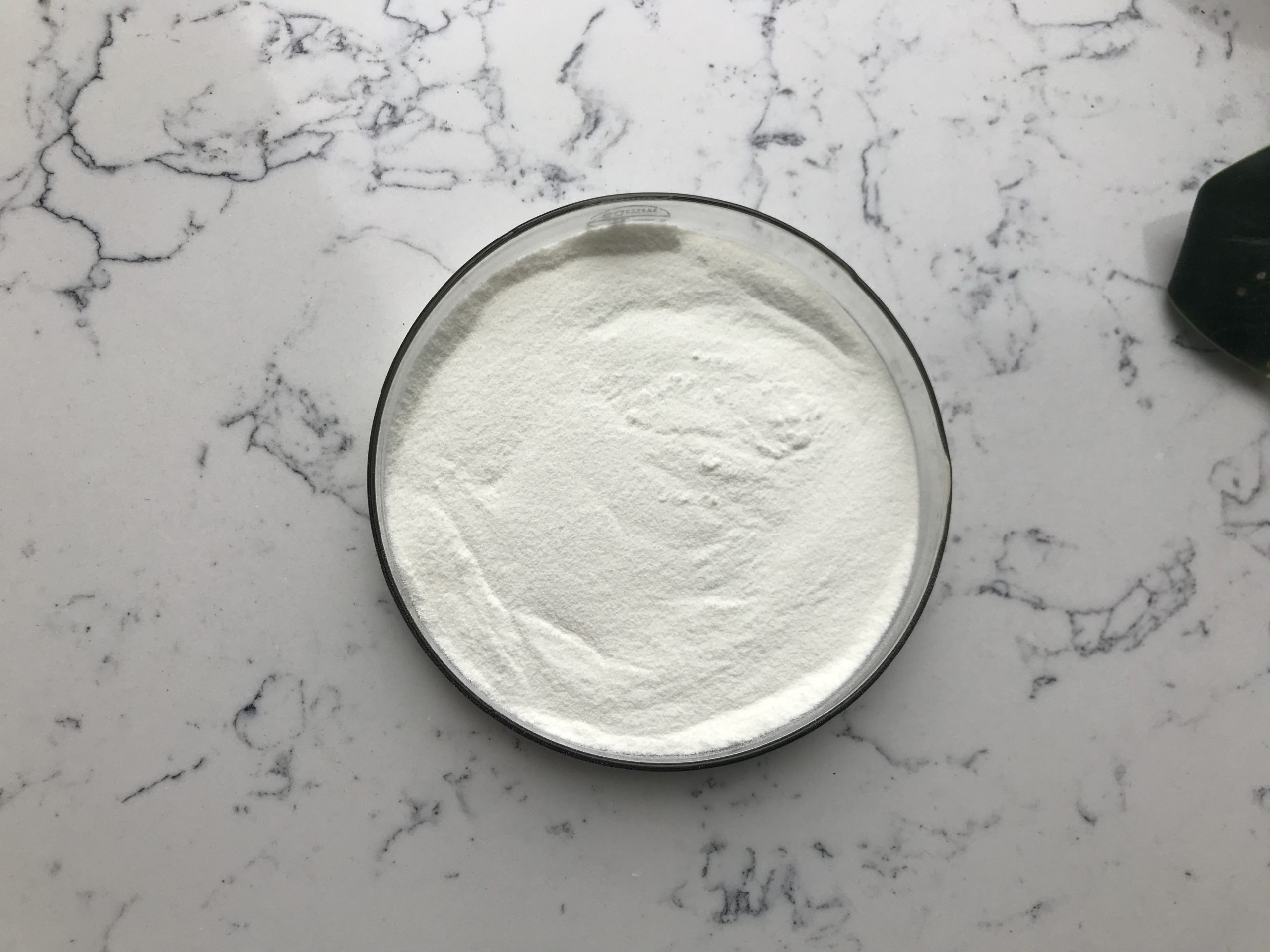
Fish collagen is widely used as a dietary supplement and in cosmetic products due to its potential benefits for skin health, joint health, and wound healing. Some potential benefits of fish collagen include:
Skin Health: Collagen plays a significant role in maintaining the structure and elasticity of the skin. Consuming fish collagen supplements may help improve skin hydration, reduce wrinkles, and promote overall skin health.
Joint Health: Collagen is a major component of cartilage, which cushions and supports joints. Some studies suggest that fish collagen supplementation might help alleviate joint pain and improve joint function, particularly in conditions like osteoarthritis.
Wound Healing: Collagen’s role in tissue regeneration makes fish collagen a potential aid in wound healing. It may help promote the formation of new tissue and improve the healing process of wounds and injuries.
Bone Health: Collagen contributes to the structural integrity of bones. While fish collagen may not directly provide all the nutrients needed for bone health, it might still have a positive impact on bone health indirectly by supporting overall connective tissue health.
Fish collagen supplements are available in various forms, such as powders, capsules, and liquids. Before using fish collagen or any dietary supplement, it’s advisable to consult with a healthcare professional, especially if you have allergies, specific health conditions, or are taking medications.
It’s important to note that while some studies suggest potential benefits of collagen supplements, more research is needed to fully understand their effectiveness and mechanisms of action. Additionally, the quality and source of the collagen product can greatly influence its potential benefits.
How to use Fish Collagen?
Fish collagen is a popular supplement that is believed to support skin, hair, joint, and overall health due to its high collagen content. It is typically available in powder or capsule form. Here’s how you can use fish collagen:
1. Powder Form:
- Measure: Check the recommended serving size on the packaging. This is usually around 2-10 grams per day, but it can vary by brand.
- Mix: Add the measured amount of fish collagen powder to a glass of water, juice, smoothie, yogurt, or any other beverage or food of your choice. It’s often tasteless and odorless, so it won’t significantly alter the flavor.
- Stir/Shake: Mix the powder thoroughly until it’s fully dissolved. You can use a spoon to stir or a shaker bottle to shake it up.
- Consume: Drink the mixture immediately. Some people prefer to take it in the morning on an empty stomach, while others take it with meals. Follow the manufacturer’s recommendations for the best results.

2. Capsule Form:
- Dosage: Read the recommended dosage on the label. This can vary, but it’s generally a couple of capsules per day.
- Timing: Take the capsules with water or a beverage of your choice. Again, some people prefer to take them on an empty stomach, while others take them with meals.
- Consistency: Consistency is key with supplements. Stick to the recommended dosage and timing to experience the potential benefits.
Tips:
- Consult a Doctor: Before adding any supplement to your routine, it’s wise to consult a healthcare professional, especially if you have underlying health conditions or are taking other medications.
- Quality Matters: Choose a reputable brand that sources their fish collagen from sustainable and safe sources.
- Allergies and Sensitivities: If you’re allergic to fish or seafood, make sure to avoid fish collagen products.
- Results Take Time: Collagen supplements are not a quick fix. It might take several weeks to notice any changes, and results can vary from person to person.
Remember that while fish collagen is marketed to have various health benefits, the scientific evidence supporting all of these claims is still evolving. It’s always a good idea to approach supplements with a balanced perspective and not rely solely on them for your health and well-being. A healthy diet, proper hydration, and overall lifestyle play significant roles in achieving the desired results.
From cellsbio health technology co.,ltd
评论
发表评论