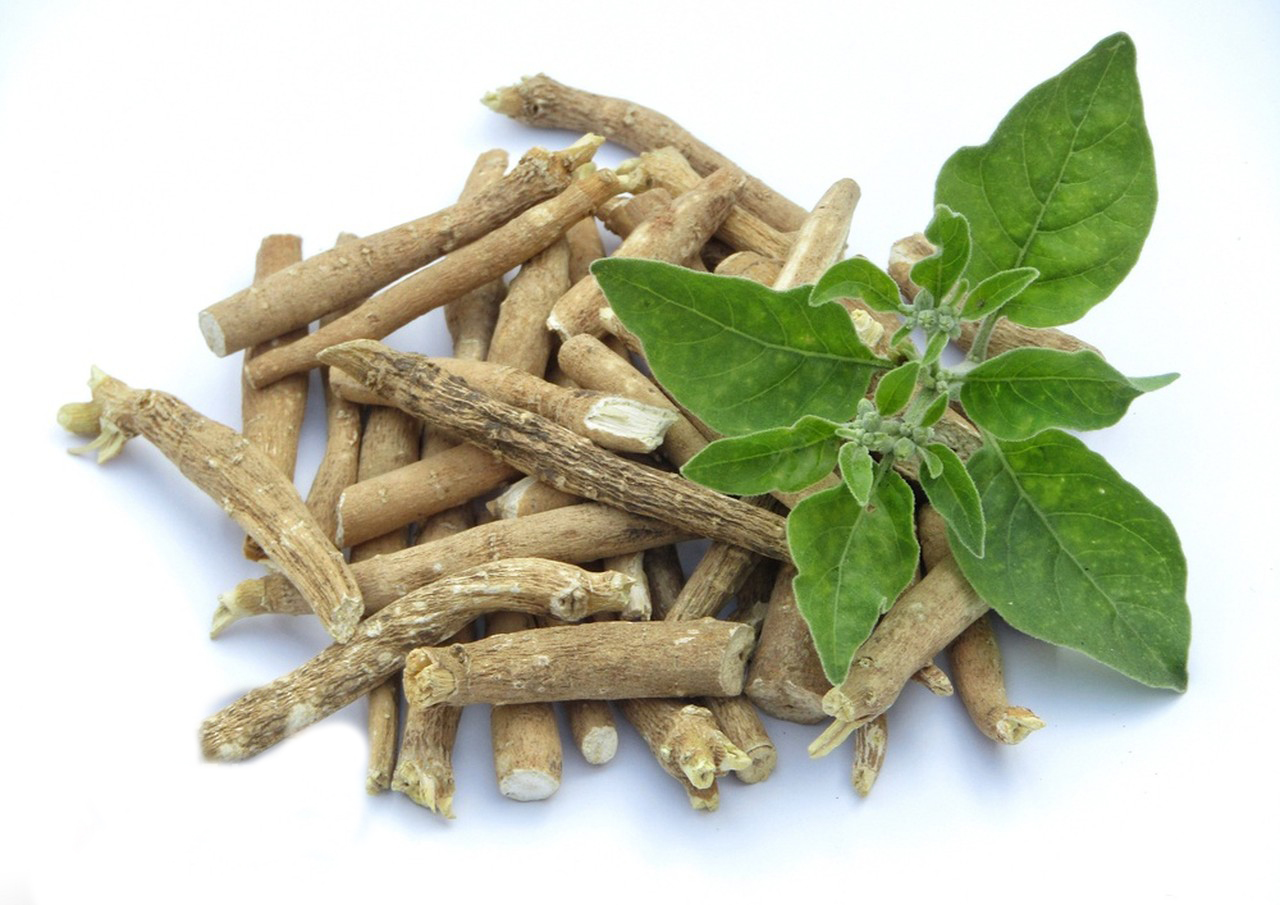
Ashwagandha extract, scientifically known as Withania somnifera, is an ancient medicinal herb that is widely used in traditional Ayurvedic medicine. The extract of Ashwagandha is derived from the roots or leaves of the plant. The basic ingredients of Ashwagandha extract include:
- Withanolides: Withanolides are the active compounds in Ashwagandha that are responsible for its medicinal properties. These bioactive compounds have antioxidant, anti-inflammatory, and adaptogenic effects, which contribute to the herb’s various health benefits.
- Alkaloids: Ashwagandha contains alkaloids like somnine, somniferine, and anferine, which can have different physiological effects.
- Saponins: Saponins are natural compounds that can act as natural surfactants and have various biological activities. They are also found in Ashwagandha extract.
- Phytosterols: Phytosterols are plant-derived compounds that are structurally similar to cholesterol. They play a role in the herb’s health benefits.
- Withanosides: These are a group of glycosides found in Ashwagandha that contribute to its therapeutic effects.
- Volatile oils: Ashwagandha extract also contains small amounts of volatile oils that can contribute to its aroma and some of its effects.
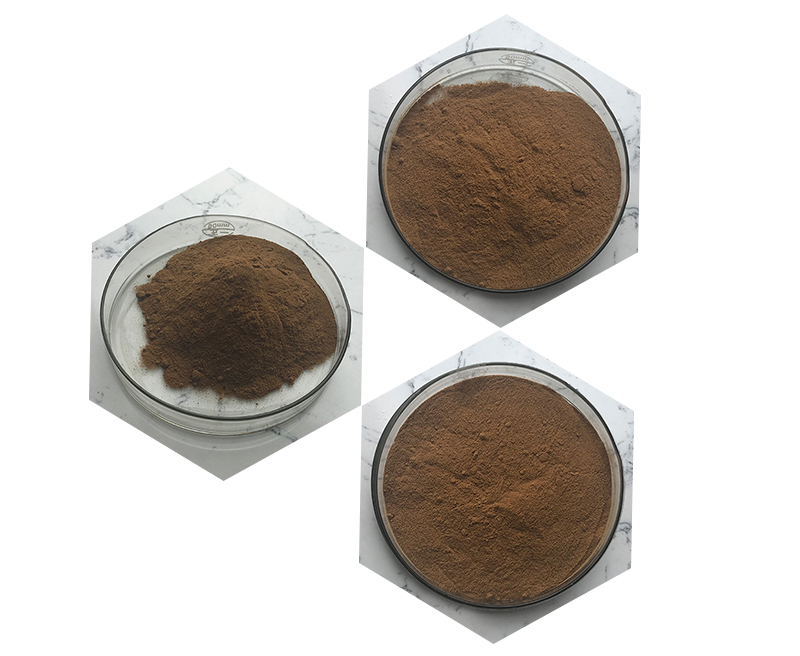
The exact composition of Ashwagandha extract can vary depending on the method of extraction and the part of the plant used (roots or leaves). The concentrations of these compounds may differ in different products on the market. It is essential to choose high-quality supplements from reputable sources to ensure safety and efficacy. As with any supplement or herbal remedy, it is advisable to consult with a healthcare professional before use, especially if you are pregnant, breastfeeding, or taking medications.
Pharmacological action of Ashwagandha Extract
Ashwagandha extract, also known as Withania somnifera, is an herb that has been traditionally used in Ayurvedic medicine for its various health benefits. The pharmacological actions of Ashwagandha extract are attributed to its active constituents, which include withanolides, alkaloids, steroidal lactones, and flavonoids. Here are some of the key pharmacological actions of Ashwagandha extract:
- Adaptogenic properties: Ashwagandha is classified as an adaptogen, which means it helps the body adapt to stress and maintain balance (homeostasis) during challenging situations. It can modulate the stress response by regulating cortisol levels and supporting the adrenal glands.
- Anti-anxiety and antidepressant effects: Ashwagandha has shown potential in reducing anxiety and symptoms of depression. It may help by regulating neurotransmitters like serotonin, GABA (gamma-aminobutyric acid), and dopamine.
- Anti-inflammatory activity: Ashwagandha possesses anti-inflammatory properties, which can help reduce inflammation in the body. Chronic inflammation is associated with several diseases, and Ashwagandha may aid in managing related conditions.
- Immunomodulation: The herb can influence the immune system, helping to boost immune responses and increase the body’s defense against infections and diseases.
- Antioxidant effects: Ashwagandha extract is rich in antioxidants, which can neutralize free radicals and reduce oxidative stress. This can potentially protect cells from damage and contribute to overall health.
- Neuroprotective effects: Ashwagandha may have neuroprotective properties, which means it could help protect nerve cells from damage and support cognitive function.
- Anti-cancer potential: Some studies suggest that Ashwagandha may have anticancer properties and could help inhibit the growth of certain types of cancer cells. However, more research is needed in this area.
- Anti-diabetic effects: Ashwagandha may help improve insulin sensitivity and regulate blood sugar levels, making it potentially beneficial for individuals with diabetes.
- Anti-fatigue and anti-stress effects: Ashwagandha extract may help reduce fatigue and enhance physical endurance. It could also improve overall energy levels and reduce stress-related symptoms.

It’s important to note that while Ashwagandha shows promise in various pharmacological actions, more research is needed to fully understand its mechanisms of action and to establish its effectiveness and safety for various medical conditions. As with any herbal supplement or medicinal product, it’s crucial to consult with a healthcare professional before using Ashwagandha, especially if you have pre-existing medical conditions or are taking other medications.
From cellsbio health technology co.,ltd
评论
发表评论