Bakuchiol Oil is a plant-derived skincare ingredient that gained popularity as a natural alternative to retinol. Here’s some information about its origin, properties, and introduction:
Origin of Bakuchiol Oil:
Bakuchiol is a compound found in the seeds and leaves of the Psoralea corylifolia plant, also known as the babchi plant. This plant is native to parts of Eastern Asia, including China and India, where it has been used in traditional medicine for various skin conditions and as an anti-inflammatory agent.
Properties of Bakuchiol Oil:
Bakuchiol is often referred to as a natural retinol alternative due to its similar effects on the skin. However, it does not contain any retinoids, which are derivatives of vitamin A. Despite this, Bakuchiol exhibits some similar properties to retinol, such as stimulating collagen production, promoting cell turnover, and reducing the appearance of fine lines and wrinkles. It is also believed to have antioxidant and anti-inflammatory properties, making it potentially beneficial for sensitive skin.
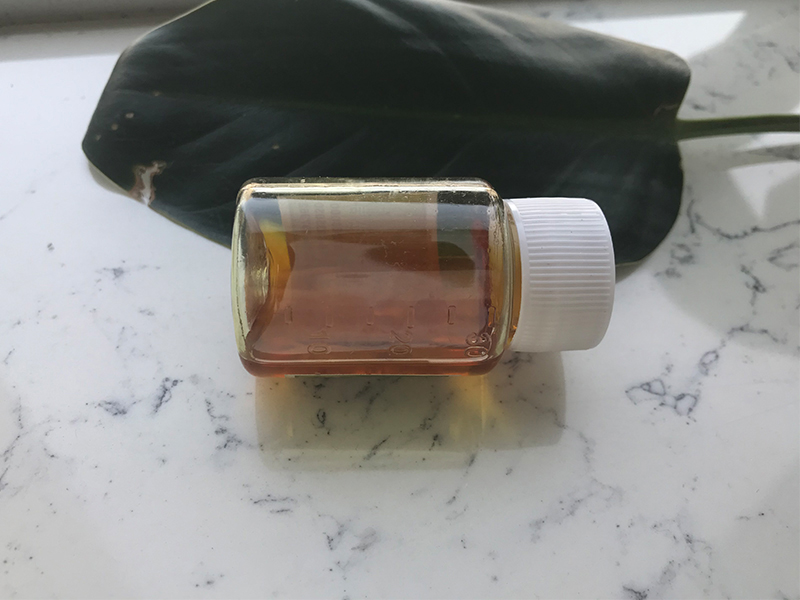
Introduction in Skincare:
Bakuchiol gained significant attention in the skincare industry during the early 2010s when research studies started to highlight its potential benefits. One particular study published in the British Journal of Dermatology in 2014 compared the effects of Bakuchiol and retinol on skin, showing that Bakuchiol was effective in improving the signs of aging without the side effects typically associated with retinol, such as skin irritation and sensitivity to sunlight.
The introduction of Bakuchiol Oil in skincare products followed this research, and it has been used in various formulations, such as serums, creams, and oils. Many skincare enthusiasts and companies embraced Bakuchiol as a gentler alternative to retinol, especially for those with sensitive or reactive skin types.
It’s important to note that the skincare industry is constantly evolving, and newer information might be available beyond my last update. Therefore, I recommend checking with more recent sources to get the latest developments and information on Bakuchiol Oil.
Quality and production of Bakuchiol Oil
As of my last update in September 2021, Bakuchiol oil has gained popularity as a natural alternative to retinol in skincare products due to its potential anti-aging and skin-rejuvenating properties. Bakuchiol is a plant-derived compound extracted from the seeds of the Psoralea corylifolia plant, also known as the babchi plant.
Quality of Bakuchiol Oil:
The quality of Bakuchiol oil depends on several factors, including the source of the seeds, extraction method, and storage conditions. To ensure high-quality Bakuchiol oil, it’s essential to use seeds from a reputable and reliable source. The oil should be extracted using industry-standard methods to retain the maximum amount of active compounds and ensure the product’s purity.
Third-party testing by independent laboratories can also be conducted to verify the presence of Bakuchiol and to ensure that the oil is free from contaminants and adulterants.

Production of Bakuchiol Oil:
The production of Bakuchiol oil involves several key steps:
1.Sourcing the Seeds: High-quality Bakuchiol oil begins with the selection of high-grade Psoralea corylifolia seeds. The quality of the seeds impacts the potency and efficacy of the final product.
2.Extraction: There are different extraction methods for obtaining Bakuchiol oil. Common techniques include cold-pressing or solvent extraction. Cold-pressing is a more natural and gentle method that helps retain the oil’s beneficial properties, while solvent extraction can yield higher quantities of oil but may require additional purification steps.
3.Purification: After extraction, the oil may undergo further purification processes to remove impurities, ensuring a clean and high-purity product.
4.Formulation: Once the Bakuchiol oil is ready, it can be incorporated into various skincare products such as creams, serums, and oils. Formulators often combine Bakuchiol with other ingredients to enhance its stability and overall effectiveness.
5.Packaging and Storage: Proper storage conditions are crucial to maintain the oil’s stability and prevent degradation of its active compounds. Bakuchiol oil should be stored in a cool, dry place away from direct sunlight to extend its shelf life.
Keep in mind that practices in the skincare industry can evolve over time, and new advancements or changes might have occurred since my last update. For the most up-to-date information, it’s best to consult reliable sources or contact manufacturers directly for details on their specific Bakuchiol oil production process.
From cellsbio health technology co.,ltd
评论
发表评论