Ectoine is a natural compound that belongs to the class of compatible solutes, small organic molecules that help organisms survive under stress conditions such as extreme heat, salinity, or dehydration. It was initially discovered in bacteria, but it has since been synthesized and used in a variety of applications, especially in skincare and medical formulations.
Efficacy and Effects of Ectoine
1. Skin Care Benefits
- Hydration: Ectoine is known for its ability to retain moisture in the skin. It helps create a barrier that prevents water loss, making it particularly beneficial for dry or sensitive skin.
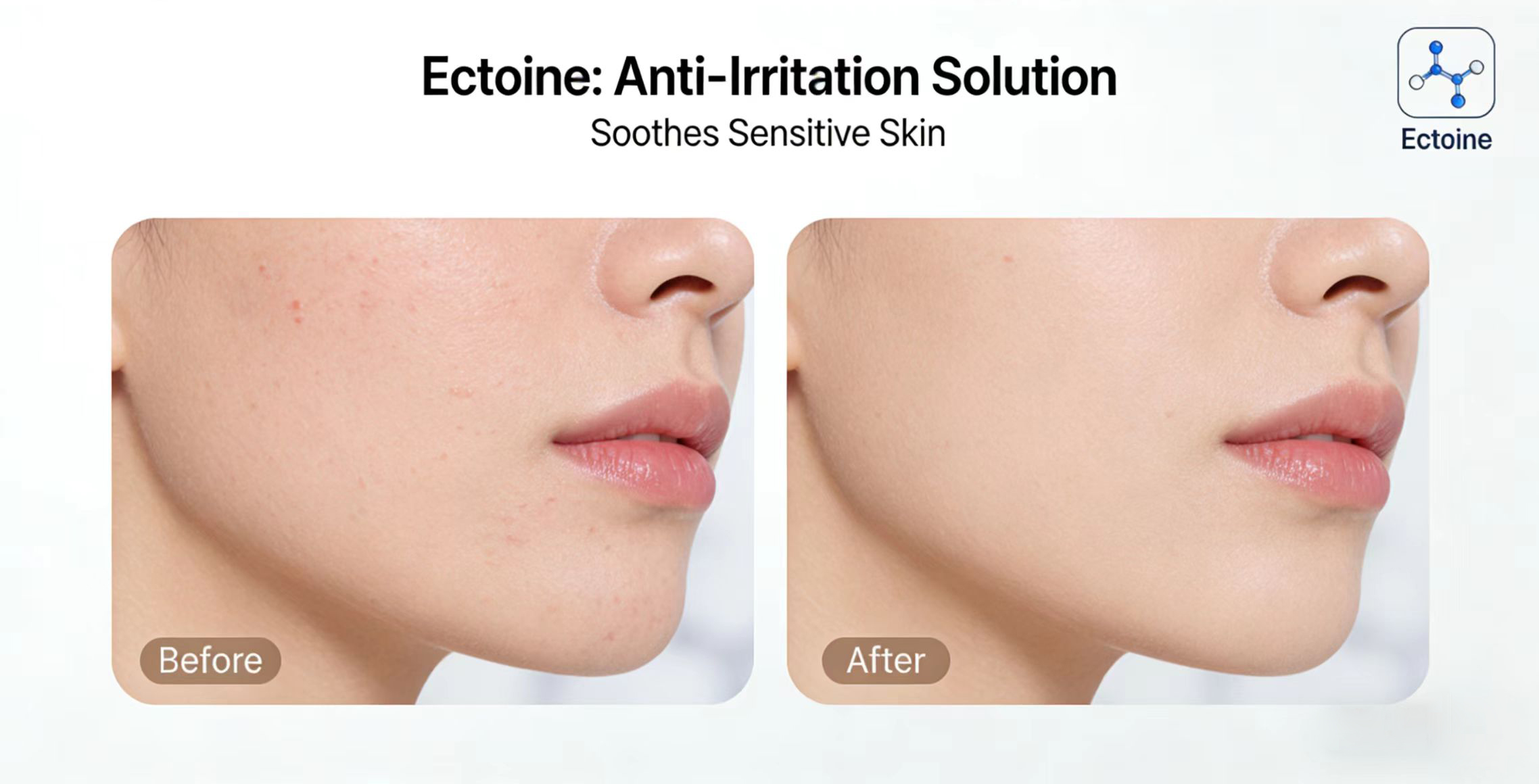
- Anti-inflammatory: It has been shown to reduce inflammation, which is why it’s used in products designed for sensitive or irritated skin, such as those for conditions like eczema or rosacea.
- Antioxidant Properties: Ectoine can protect cells from oxidative damage, which can contribute to aging and skin damage. This makes it useful in anti-aging formulations.
- UV Protection: It may offer a mild level of protection against UV radiation. While it doesn’t replace sunscreen, it can act as an adjunctive agent to help reduce skin damage caused by sunlight.
2. Cell Protection and Stress Reduction
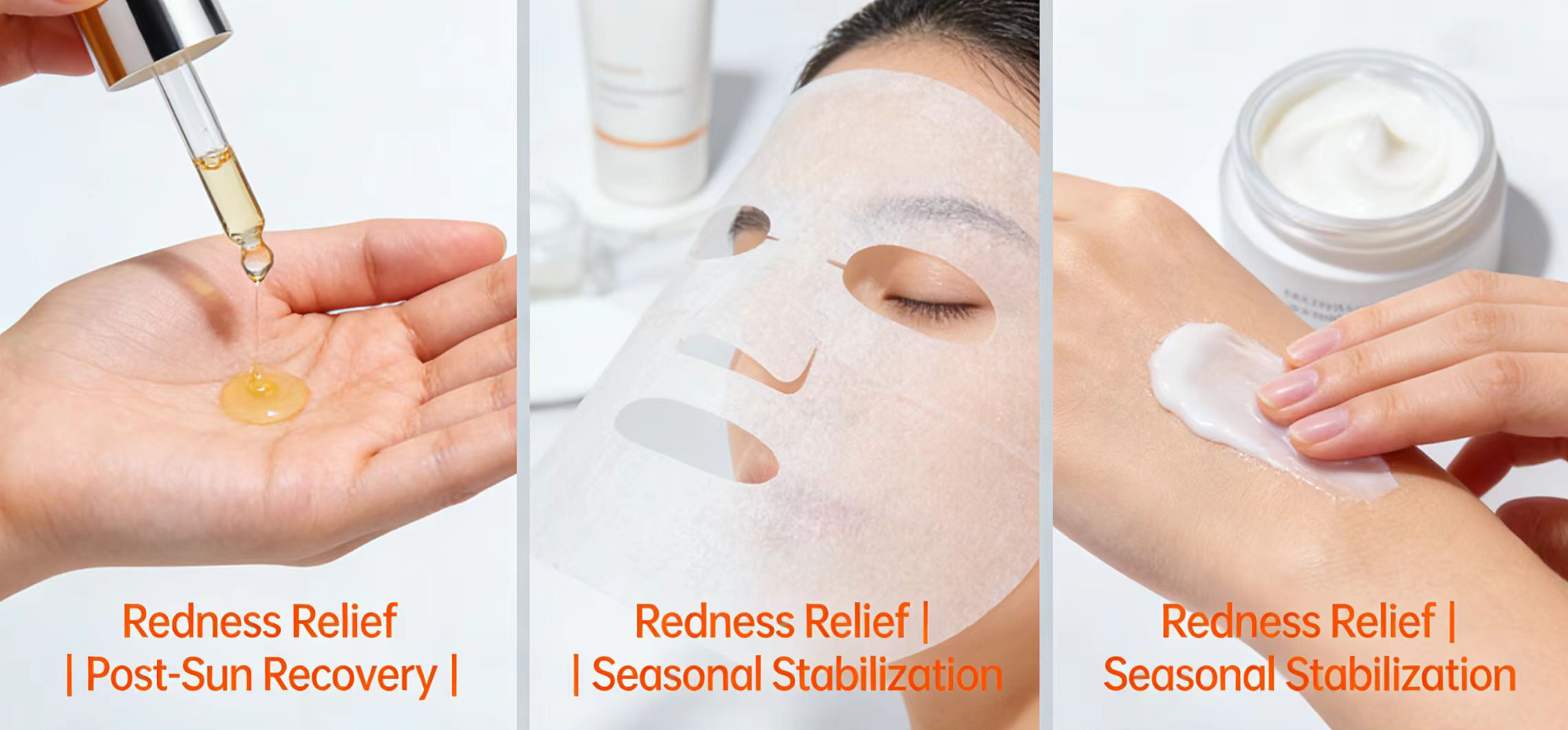
- Cellular Protection: Ectoine helps stabilize cell membranes and proteins, especially under stress conditions (e.g., heat, dehydration). This makes it a useful ingredient in protecting skin cells from environmental stressors.
- Prevention of Cell Damage: By stabilizing cells, Ectoine may help prevent DNA damage caused by oxidative stress or UV exposure, thus contributing to overall skin health.
3. Respiratory Health
- Ectoine has also been investigated for its potential benefits in respiratory health. It may help protect the respiratory tract from inflammation caused by pollutants, allergens, or infections. This is especially important for conditions like asthma and allergic rhinitis.
- Mucosal Protection: Some studies have suggested that Ectoine may have protective effects on the mucous membranes in the respiratory system, acting as a barrier to allergens or irritants.
4. Therapeutic Uses
- Dry Eye Treatment: In ophthalmology, Ectoine is used in eye drops for dry eyes. It helps to soothe irritation and reduce inflammation in the eye, providing relief from dryness and discomfort.
- Anti-allergy Properties: Due to its ability to stabilize cell membranes and reduce inflammation, it is sometimes used in allergy treatments to mitigate symptoms like skin irritation or respiratory discomfort.
5. Other Applications
- Anti-Aging and Cosmetic Formulations: Ectoine is commonly used in formulations intended for anti-aging or cosmetic use due to its hydration and protective effects on the skin.
- Wound Healing: In some cases, Ectoine has been explored for its potential to promote wound healing, especially in the context of treating burns or other forms of skin damage.
Summary
Ectoine is a promising compound with multiple beneficial effects, particularly in skincare and respiratory health. Its primary actions include hydrating and protecting skin, reducing inflammation, offering antioxidant benefits, and promoting overall cellular stability under stress. It’s commonly used in cosmetics, ophthalmic preparations, and some allergy-related treatments. However, as with all therapeutic agents, its effectiveness can vary depending on the specific formulation and application.
Would you like to dive deeper into any of these areas?
From cellsbio health technology co.,ltd
评论
发表评论