Dimethylmethoxy Chromanol (often abbreviated DMC) is primarily known as a potent antioxidant ingredient in skincare that can support the skin barrier and overall skin health, though it’s not a classic “barrier-repair” ingredient like ceramides or fatty acids.
How Dimethylmethoxy Chromanol Works
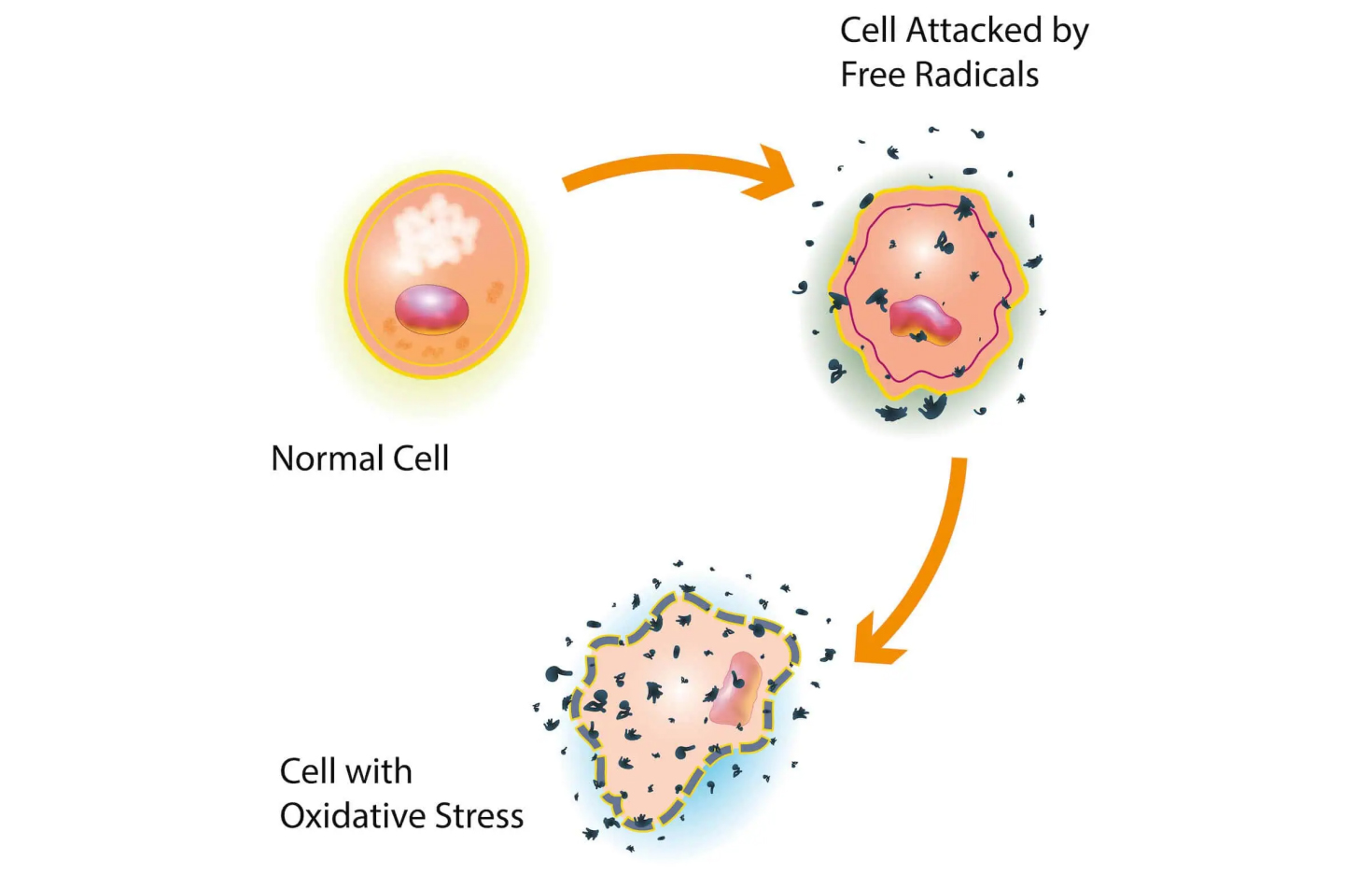
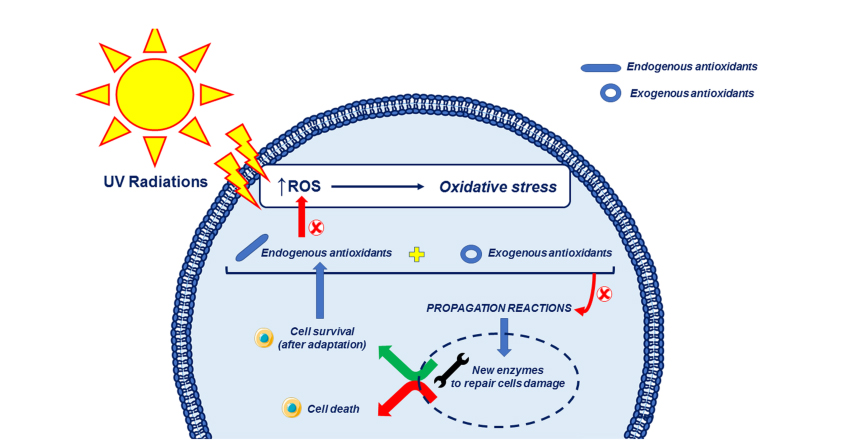
- Antioxidant action: It neutralizes harmful free radicals (e.g., from UV light, pollution), reducing oxidative stress in skin cells and protecting them from damage.
- Environmental protection: By mitigating oxidative damage, Dimethylmethoxy Chromanol helps protect structures like lipids and proteins in the outer skin layers.
- Support for barrier health: This antioxidant defense helps maintain the functions of the skin barrier — including reducing transepidermal water loss (TEWL) and enhancing resilience against stressors — which in turn supports barrier integrity.
- Clinical observations: Some skincare research reports that formulations with Dimethylmethoxy Chromanol decreased TEWL and increased skin hydration metrics over weeks of consistent use, indicating improved barrier function through oxidative stress reduction.
Does It Repair the Barrier?
- Indirectly, yes: The way Dimethylmethoxy Chromanol helps is by reducing oxidative damage and supporting the skin’s defense systems, rather than acting the same way ceramides, fatty acids, or occlusives do. Those traditional barrier-repair ingredients actually supply or mimic skin’s structural lipids to rebuild the physical barrier.
- Dimethylmethoxy Chromanol is strengthening of barrier function comes from supporting lipid integrity and reducing free-radical–induced degradation — which helps the barrier hold moisture and resist irritation.
- It’s often used in anti-aging and protective products where you want antioxidant support combined with overall skin health benefits, including better barrier performance.
Best Use in Skincare
- Works well in antioxidant serums, daily moisturizers, and sunscreens to protect and indirectly help the barrier.
- For focused barrier repair (e.g., after irritation or damage), pairing Dimethylmethoxy Chromanol with ceramides, fatty acids, niacinamide, hyaluronic acid, or occlusives will give stronger structural support.
Bottom line: Dimethylmethoxy Chromanol doesn’t directly rebuild the skin barrier like lipid-rich moisturizers do, but by protecting against oxidative stress and environmental damage, it supports barrier function and overall skin health.
Barrier Support vs. Barrier Repair
- Barrier support: Dimethylmethoxy Chromanol is antioxidant properties help the skin retain moisture and stay resilient by preventing damage to key barrier lipids and proteins. This can result in measurable improvements like lower TEWL and better stratum corneum water content in some product studies.
- Barrier repair: Repairing a compromised barrier typically involves ingredients that replenish structural lipids (ceramides, fatty acids, cholesterol), humectants (glycerin, hyaluronic acid), and agents that modulate inflammation or keratinocyte differentiation. Dimethylmethoxy Chromanol does not directly supply these structural components, so it’s not traditionally classified as a primary barrier repair ingredient.
Bottom Line
Yes — Dimethylmethoxy Chromanol can help support and strengthen skin barrier function indirectly by protecting against oxidative damage and improving hydration markers in some formulations.
No — it doesn’t directly rebuild the skin barrier’s structural lipids in the way ceramides or niacinamide do.
So for best results if your goal is barrier repair, Dimethylmethoxy Chromanol can be part of a routine (especially to combat environmental stress) but is most effective alongside true barrier repair ingredients.
From cellsbio health technology co.,ltd
评论
发表评论