跳至主要内容

What are the advantages and disadvantages of WS-23 compared with other cooling agents?

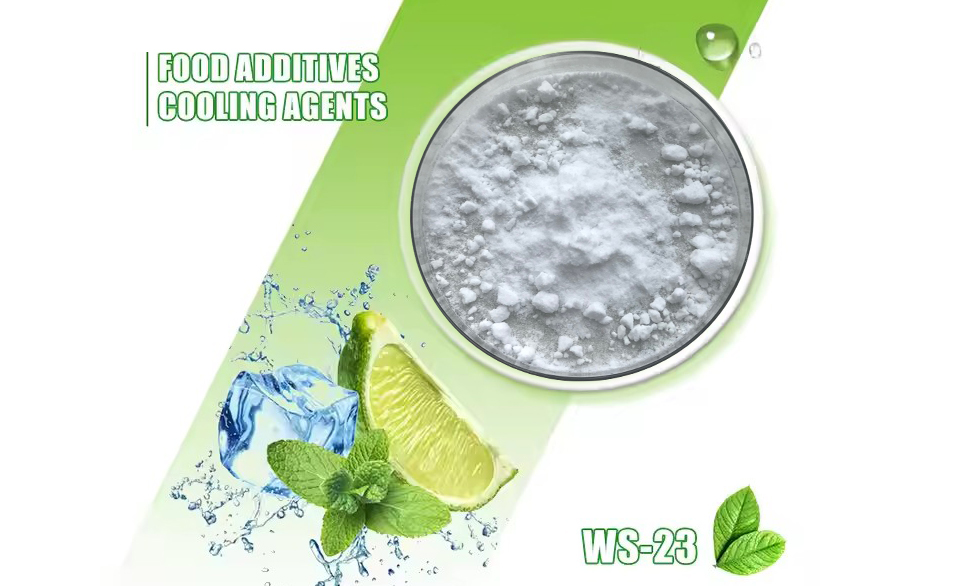
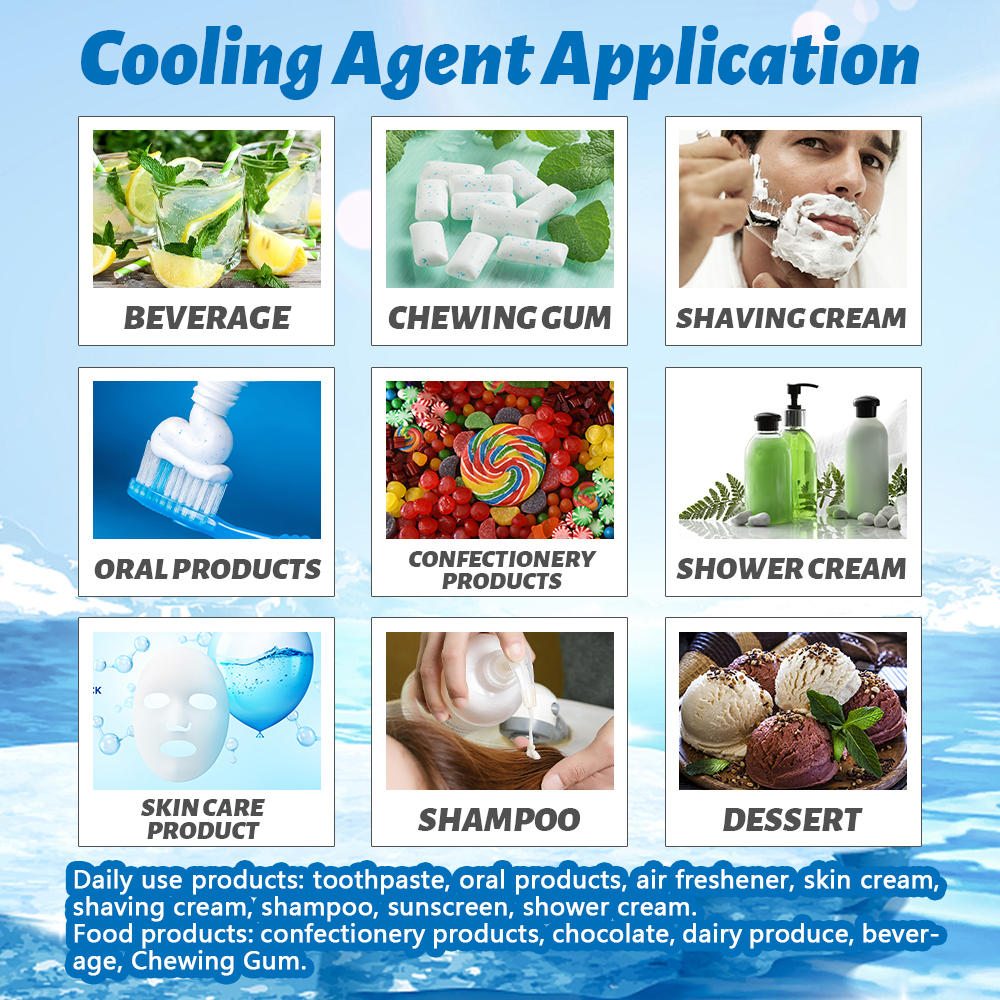
 WS-23 is a popular cooling agent used in a variety of products, particularly in food and beverages, cosmetics, and vaping. It’s known for its ability to create a cool, refreshing sensation without using menthol or mint flavors. When compared with other cooling agents like WS-3, Koolada, or menthol, there are a few key advantages and disadvantages.

Advantages of WS-23:

  • Milder Cooling Effect: WS-23 has a gentler, less intense cooling sensation compared to other agents like menthol, which makes it suitable for people who find menthol too harsh.
  • Neutral Flavor: Unlike menthol or Koolada, which can impart a flavor to the product, WS-23 doesn’t have a strong taste, allowing for more flexibility in flavor formulations. It provides pure cooling without altering the flavor profile.
  • Non-Irritating: Many users find WS-23 to be less irritating to the throat and eyes compared to menthol or even WS-3. This can make it more appealing for use in products that are meant to be inhaled, like e-liquids or throat lozenges.
  • Long-Lasting Cooling: WS-23 tends to provide a more sustained cooling effect, which can be beneficial in applications where the cooling experience needs to last longer (like in beverages or cosmetics).
What are the advantages and disadvantages of WS-23 compared with other cooling agents?

Disadvantages of WS-23:

  • Less Intense Cooling: If you’re looking for a stronger, more “chilled” sensation, WS-23 might fall short. It’s much milder than other cooling agents like WS-5 or menthol, which can provide a more powerful cool-down effect.
  • Cost: Depending on the formulation, WS-23 can be more expensive than other, more common cooling agents, which could make it less attractive for mass-market products or for products trying to cut costs.
  • Sensitivity Issues: Although it is generally non-irritating, some people may still have mild sensitivity or skin reactions to WS-23, especially when used in high concentrations.
  • Limited Cooling Scope: In comparison to WS-3 or WS-5, which have a more complex and layered cooling effect, WS-23 offers a more straightforward cooling experience. It lacks the depth that other agents may provide.

Comparison to Other Cooling Agents:

  • Menthol: Known for its strong, sharp cooling and minty flavor. It’s more intense than WS-23 but can be irritating for some people, especially when inhaled. WS-23 doesn’t have the minty taste, making it more versatile for flavoring.
  • Koolada: Similar to WS-23 in that it doesn’t impart a flavor but tends to have a more subtle cooling effect. It’s also gentler but may not last as long as WS-23. WS-23 generally provides a more consistent, longer-lasting cooling sensation.
  • WS-3: Provides a moderate cooling effect, similar to WS-23 but with a slightly stronger sensation. However, WS-3 can sometimes be more irritating to the throat and eyes than WS-23.
  • WS-5: A stronger, more intense cooling agent that can have a sharper effect, similar to menthol but with a more sophisticated cooling profile. It’s great for products that need a noticeable cool-down but may not be suitable for all applications due to its strength.
What are the advantages and disadvantages of WS-23 compared with other cooling agents?

In summary, WS-23 is great for milder, longer-lasting cooling effects without the flavor interference of menthol or the sharpness of other agents. Its main trade-off is that it’s not as intense as some other cooling agents.


From cellsbio health technology co.,ltd

评论

此博客中的热门博文

Basic information of Collagen and Where you can buy Collagen CAS#9064-67-9?

  Collagen   is the most abundant protein in the human body, making up about 30% of the body’s total protein content. It plays a crucial role in providing structure, strength, and elasticity to various tissues and organs, including the skin, bones, tendons, ligaments, blood vessels, and even the cornea of the eyes. Types of Collagen There are at least 28 types of collagen, but the most common types are: Type I:  The most abundant form, found in skin, bones, tendons, and ligaments. Type II:  Found in cartilage and helps provide joint support. Type III:  Found in the skin, muscles, and blood vessels, often present alongside type I collagen. Type IV:  Found in the layers of the skin and the kidneys. Type V:  Found in the cornea of the eye, hair, and placenta. Structure of Collagen Collagen is made up of amino acids, primarily glycine, proline, and hydroxyproline. These amino acids form a triple-helix structure, which provides the tensile strength and...

Comprehensive study on White Willow Extract

Studying   white willow extract   involves exploring its botanical properties, historical uses, active compounds, potential health benefits, and safety considerations. Here’s a comprehensive overview: Botanical Overview: Scientific Name:  Salix alba Common Names:  White willow, European willow Description:  A deciduous tree native to Europe and Asia, known for its slender leaves and grayish bark. Active Compounds: Salicin:  Primary active compound, a natural precursor to salicylic acid. Flavonoids:  Including flavonols and catechins, contributing to antioxidant properties. Phenolic Glycosides:  Various compounds with potential health benefits. Historical Use: Traditional Medicine:  Used for centuries in traditional European and Asian medicine for pain relief, fever reduction, and inflammatory conditions. Health Benefits and Current Research: Pain Relief:  Acts similarly to aspirin in relieving pain and inflammation due to salicin’s conve...

How best to use the Hericium Erinaceus Capsule?

  Hericium erinaceus, commonly known as lion’s mane mushroom, is a type of edible and medicinal mushroom with potential health benefits. Lion’s mane mushroom is often consumed in various forms, including capsules, powders, extracts, and as a whole food. If you have lion’s mane mushroom in capsule form ( Hericium erinaceus capsule ), here are some tips on how to use them effectively: Follow Dosage Instructions:  The dosage can vary depending on the concentration of the active ingredients in the capsules and individual factors such as age, weight, and health condition. Always follow the recommended dosage instructions provided on the product packaging or by a healthcare professional. Consistency is Key:  Like many supplements, lion’s mane may take time to produce noticeable effects. Consistent use over time is often more effective than sporadic usage. Stick to a regular dosing schedule to maximize the potential benefits. Take with Food:  It’s generally recommended to t...