跳至主要内容

The effect of Chitosan and function

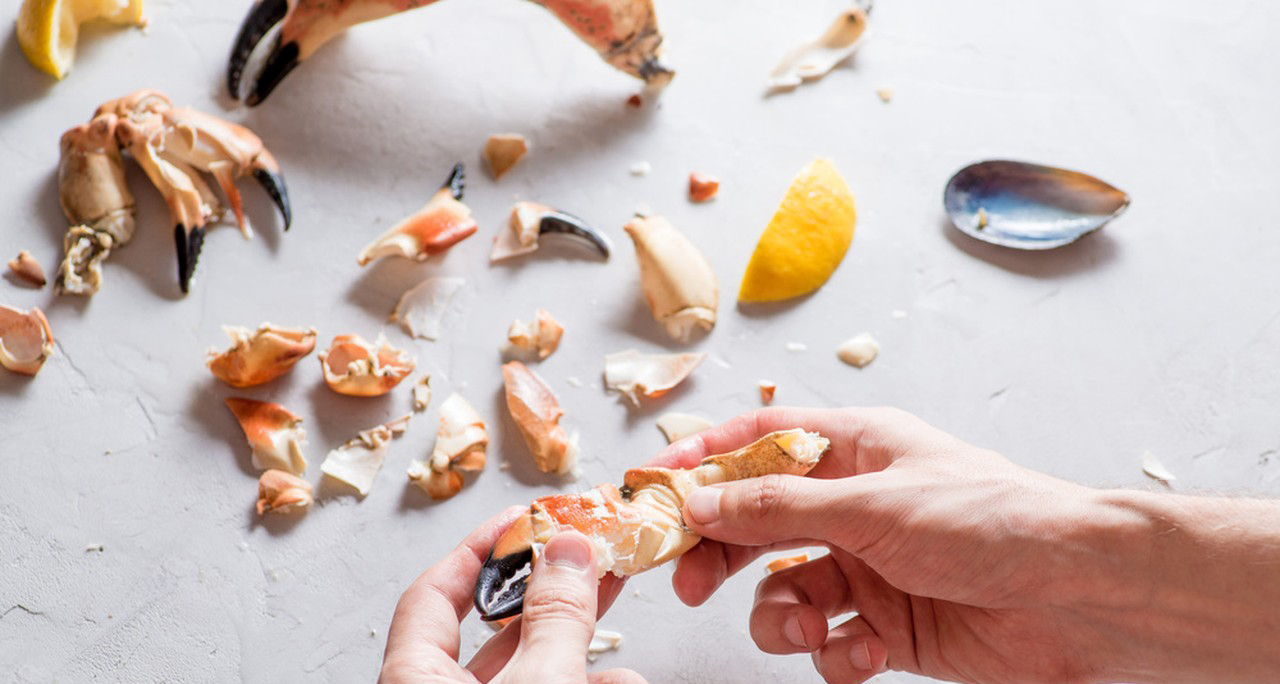
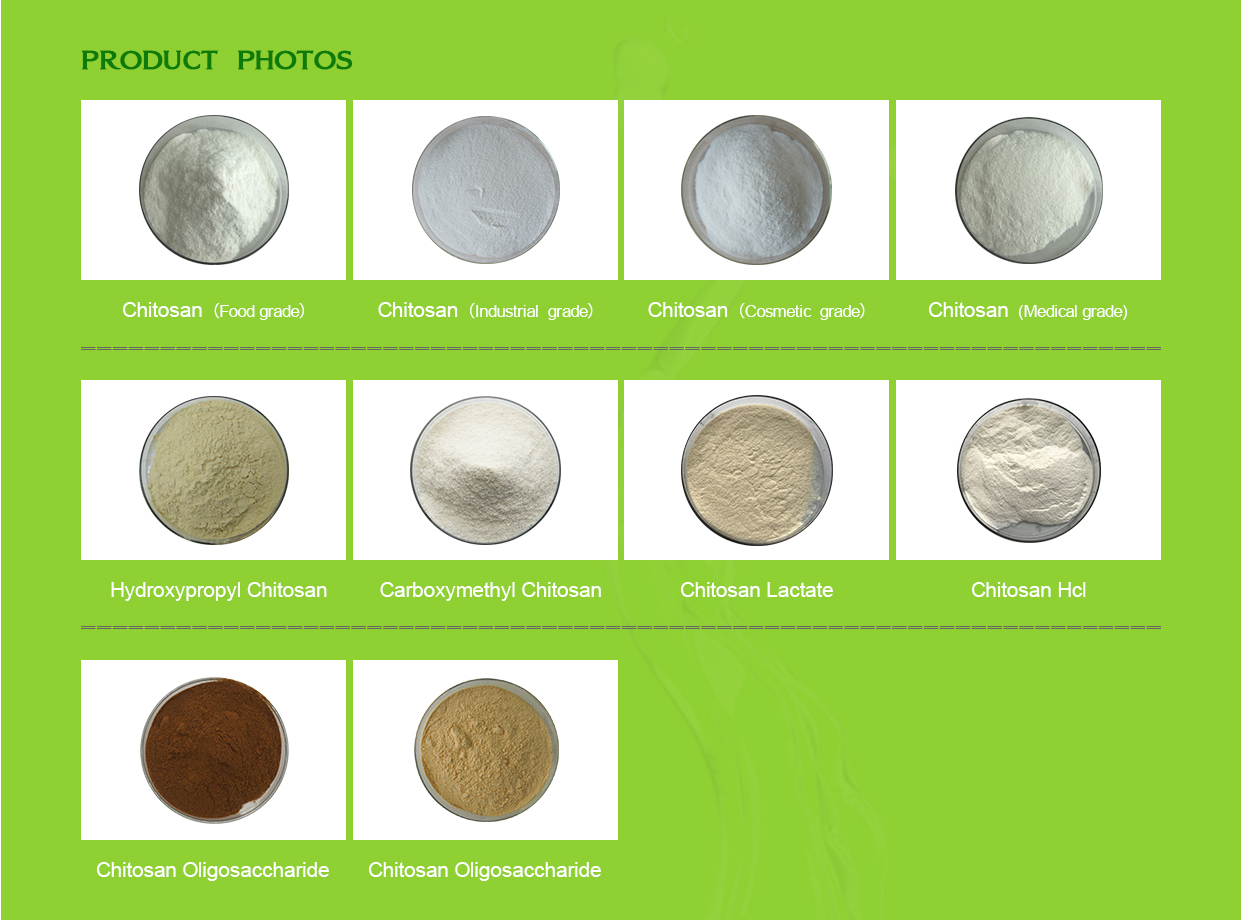
 Chitosan is a biopolymer derived from chitin, a natural polysaccharide found in the shells of crustaceans like shrimp and crabs, as well as in the cell walls of fungi. Chitosan has gained attention for its various potential effects and functions, particularly in the fields of medicine, agriculture, and industry. Here are some of its notable effects and functions:
The effect of Chitosan and function

Biomedical Applications:

  • Wound Healing: Chitosan possesses antibacterial and hemostatic properties, making it useful for wound dressings and tissue engineering. It can help promote wound healing and reduce the risk of infection.
  • Drug Delivery: Chitosan nanoparticles can be used to encapsulate and deliver drugs to specific target sites in the body, improving drug effectiveness and reducing side effects.
  • Tissue Regeneration: Chitosan scaffolds can be used to support tissue regeneration in bone and cartilage repair, as well as in other tissue engineering applications.
  • Dental Care: Chitosan-based mouthwashes and toothpastes are being explored for their potential in preventing dental caries and gum diseases.

Agricultural Applications:

  • Crop Protection: Chitosan has antifungal and antimicrobial properties, which can be used to protect crops from fungal and bacterial infections. It can be applied as a natural pesticide or fungicide.
  • Plant Growth Enhancement: Chitosan treatments have been shown to enhance plant growth, improve nutrient uptake, and increase resistance to environmental stressors.

Food Industry:

  • Food Preservation: Chitosan’s antimicrobial properties can be utilized to extend the shelf life of perishable foods by inhibiting the growth of spoilage microorganisms.
  • Edible Films and Coatings: Chitosan can be used to create edible films and coatings for fruits and vegetables, providing a protective barrier and reducing post-harvest losses.

Water Treatment:

  • Wastewater Treatment: Chitosan can be used in water treatment processes to remove heavy metals, dyes, and other pollutants from industrial wastewater.

Weight Management:

  • Dietary Supplement: Chitosan is sometimes used as a dietary supplement due to its purported ability to bind to dietary fats in the digestive tract, potentially reducing fat absorption and aiding in weight management.

Cosmetics and Skincare:

  • Skin Care Products: Chitosan is used in some cosmetic and skincare products for its moisturizing and anti-aging effects. It can help improve skin hydration and texture.
The effect of Chitosan and function

It’s important to note that while chitosan has shown promise in various applications, more research is often needed to fully understand its mechanisms of action and potential benefits. Additionally, individual results can vary, and the effectiveness of chitosan-based products may depend on factors such as concentration, formulation, and application method. As with any substance, it’s advisable to consult with experts and follow established guidelines when using chitosan for specific purposes.

From cellsbio health technology co.,ltd

评论

此博客中的热门博文

Basic information of Collagen and Where you can buy Collagen CAS#9064-67-9?

  Collagen   is the most abundant protein in the human body, making up about 30% of the body’s total protein content. It plays a crucial role in providing structure, strength, and elasticity to various tissues and organs, including the skin, bones, tendons, ligaments, blood vessels, and even the cornea of the eyes. Types of Collagen There are at least 28 types of collagen, but the most common types are: Type I:  The most abundant form, found in skin, bones, tendons, and ligaments. Type II:  Found in cartilage and helps provide joint support. Type III:  Found in the skin, muscles, and blood vessels, often present alongside type I collagen. Type IV:  Found in the layers of the skin and the kidneys. Type V:  Found in the cornea of the eye, hair, and placenta. Structure of Collagen Collagen is made up of amino acids, primarily glycine, proline, and hydroxyproline. These amino acids form a triple-helix structure, which provides the tensile strength and...

Comprehensive study on White Willow Extract

Studying   white willow extract   involves exploring its botanical properties, historical uses, active compounds, potential health benefits, and safety considerations. Here’s a comprehensive overview: Botanical Overview: Scientific Name:  Salix alba Common Names:  White willow, European willow Description:  A deciduous tree native to Europe and Asia, known for its slender leaves and grayish bark. Active Compounds: Salicin:  Primary active compound, a natural precursor to salicylic acid. Flavonoids:  Including flavonols and catechins, contributing to antioxidant properties. Phenolic Glycosides:  Various compounds with potential health benefits. Historical Use: Traditional Medicine:  Used for centuries in traditional European and Asian medicine for pain relief, fever reduction, and inflammatory conditions. Health Benefits and Current Research: Pain Relief:  Acts similarly to aspirin in relieving pain and inflammation due to salicin’s conve...

How best to use the Hericium Erinaceus Capsule?

  Hericium erinaceus, commonly known as lion’s mane mushroom, is a type of edible and medicinal mushroom with potential health benefits. Lion’s mane mushroom is often consumed in various forms, including capsules, powders, extracts, and as a whole food. If you have lion’s mane mushroom in capsule form ( Hericium erinaceus capsule ), here are some tips on how to use them effectively: Follow Dosage Instructions:  The dosage can vary depending on the concentration of the active ingredients in the capsules and individual factors such as age, weight, and health condition. Always follow the recommended dosage instructions provided on the product packaging or by a healthcare professional. Consistency is Key:  Like many supplements, lion’s mane may take time to produce noticeable effects. Consistent use over time is often more effective than sporadic usage. Stick to a regular dosing schedule to maximize the potential benefits. Take with Food:  It’s generally recommended to t...