跳至主要内容

How to use Chitosan Oligosaccharide to achieve the best results?

 Chitosan oligosaccharide is a derivative of chitosan, which is a biopolymer derived from chitin, a natural polymer found in the shells of crustaceans like shrimp and crabs. Chitosan oligosaccharide has gained attention for its potential health and agricultural benefits. It’s important to note that while chitosan oligosaccharide has been studied for various applications, its effectiveness and best practices can vary depending on the specific use case. Here are some general guidelines:
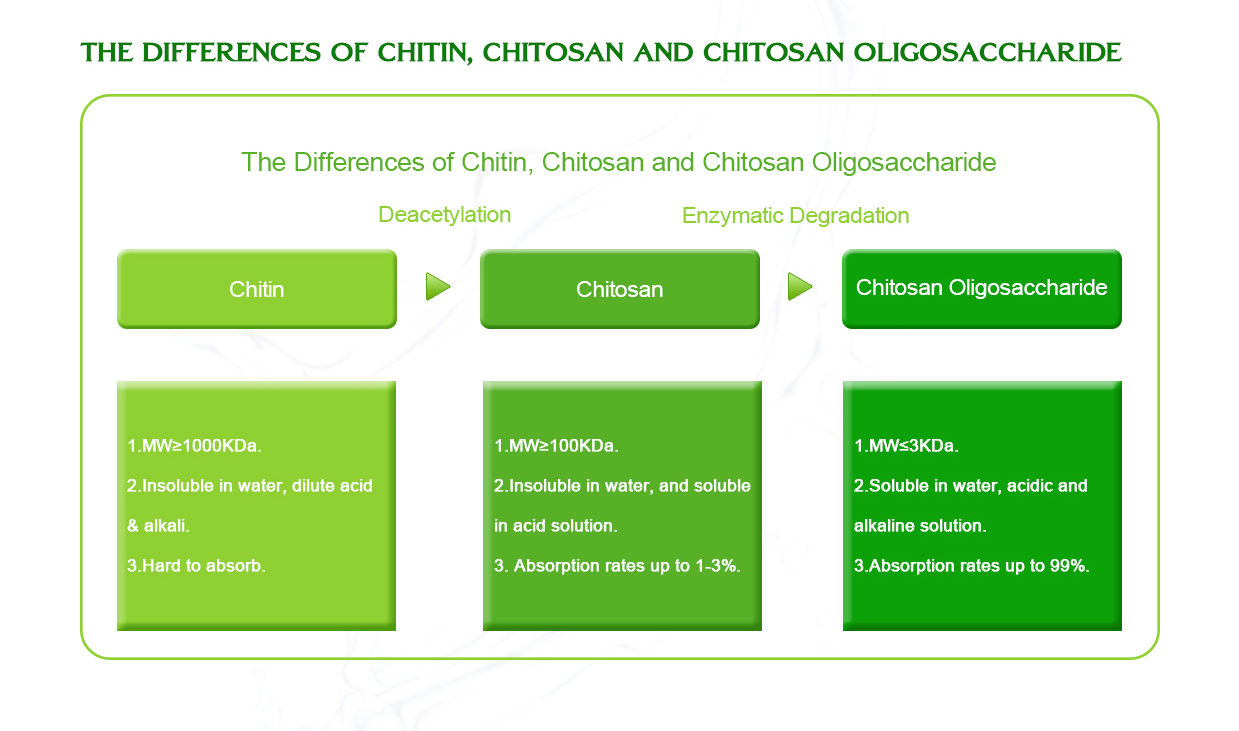
How to use Chitosan Oligosaccharide to achieve the best results?

1.Health and Nutritional Supplements:

    Chitosan oligosaccharide is often marketed as a dietary supplement due to its potential health benefits. Some studies suggest that it may have antioxidant, anti-inflammatory, and immune-enhancing properties. If you’re considering using chitosan oligosaccharide as a dietary supplement, it’s essential to consult with a healthcare professional before starting any new supplement regimen. Dosage recommendations and potential interactions with medications can vary.

    2.Plant Growth Promoter:

      Chitosan oligosaccharide is also used in agriculture as a plant growth promoter and as a natural alternative to synthetic chemicals. It can enhance seed germination, root development, and overall plant growth. To use it effectively in agriculture:

      • Dilute chitosan oligosaccharide in water according to the manufacturer’s instructions.
      • Apply the solution as a foliar spray or root drench. This can be done during different growth stages of the plants.
      • Monitor plant responses and growth improvements. Remember that results may vary based on plant species, soil conditions, and other factors.

      3. Crop Protection:

      Chitosan oligosaccharide can act as a biopesticide, helping to protect crops from certain pests and diseases. It forms a film on the plant surface, which can deter insects and inhibit the growth of some pathogens. To use it for crop protection:

      • Prepare a chitosan oligosaccharide solution as recommended by the manufacturer.
      • Apply the solution to the plants, ensuring good coverage on both sides of leaves.
      • Follow a regular application schedule to maintain protection.

      4. Aquaculture:

      Chitosan oligosaccharide has been explored for its potential benefits in aquaculture, including improving water quality, enhancing immune responses in aquatic organisms, and promoting growth. Application methods and dosages can vary based on the specific aquatic system and species.

      When using chitosan oligosaccharide, it’s important to:

      • Follow the manufacturer’s instructions for dosage and application.
      • Be aware of potential allergies or sensitivities, especially in cases of dietary supplementation.
      • Monitor and document the effects of chitosan oligosaccharide on your intended application.
      • Consider conducting trials on a small scale before applying to a larger area or system.
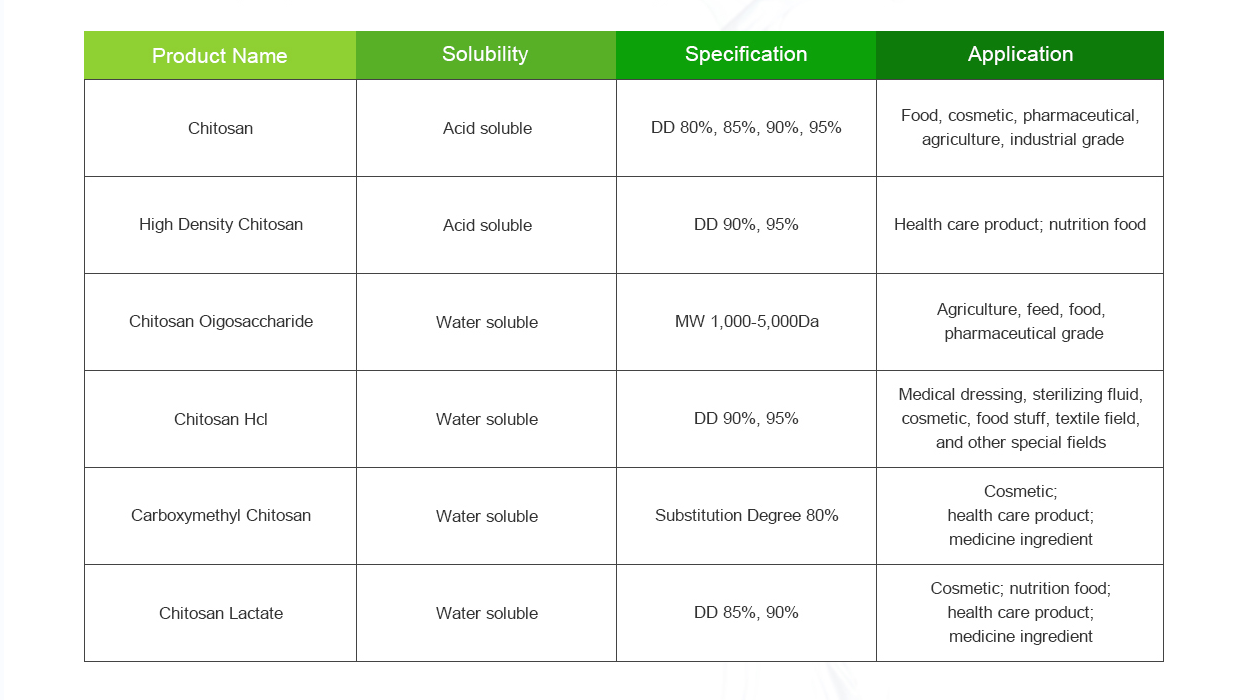
      How to use Chitosan Oligosaccharide to achieve the best results?

      Remember that scientific research on chitosan oligosaccharide is ongoing, and its effectiveness in various applications may continue to evolve as more studies are conducted. Always stay updated with the latest research and consult with experts in the specific field before using chitosan oligosaccharide for optimal results.

      From cellsbio health technology co.,ltd

      评论

      此博客中的热门博文

      Basic information of Collagen and Where you can buy Collagen CAS#9064-67-9?

        Collagen   is the most abundant protein in the human body, making up about 30% of the body’s total protein content. It plays a crucial role in providing structure, strength, and elasticity to various tissues and organs, including the skin, bones, tendons, ligaments, blood vessels, and even the cornea of the eyes. Types of Collagen There are at least 28 types of collagen, but the most common types are: Type I:  The most abundant form, found in skin, bones, tendons, and ligaments. Type II:  Found in cartilage and helps provide joint support. Type III:  Found in the skin, muscles, and blood vessels, often present alongside type I collagen. Type IV:  Found in the layers of the skin and the kidneys. Type V:  Found in the cornea of the eye, hair, and placenta. Structure of Collagen Collagen is made up of amino acids, primarily glycine, proline, and hydroxyproline. These amino acids form a triple-helix structure, which provides the tensile strength and...

      Comprehensive study on White Willow Extract

      Studying   white willow extract   involves exploring its botanical properties, historical uses, active compounds, potential health benefits, and safety considerations. Here’s a comprehensive overview: Botanical Overview: Scientific Name:  Salix alba Common Names:  White willow, European willow Description:  A deciduous tree native to Europe and Asia, known for its slender leaves and grayish bark. Active Compounds: Salicin:  Primary active compound, a natural precursor to salicylic acid. Flavonoids:  Including flavonols and catechins, contributing to antioxidant properties. Phenolic Glycosides:  Various compounds with potential health benefits. Historical Use: Traditional Medicine:  Used for centuries in traditional European and Asian medicine for pain relief, fever reduction, and inflammatory conditions. Health Benefits and Current Research: Pain Relief:  Acts similarly to aspirin in relieving pain and inflammation due to salicin’s conve...

      How best to use the Hericium Erinaceus Capsule?

        Hericium erinaceus, commonly known as lion’s mane mushroom, is a type of edible and medicinal mushroom with potential health benefits. Lion’s mane mushroom is often consumed in various forms, including capsules, powders, extracts, and as a whole food. If you have lion’s mane mushroom in capsule form ( Hericium erinaceus capsule ), here are some tips on how to use them effectively: Follow Dosage Instructions:  The dosage can vary depending on the concentration of the active ingredients in the capsules and individual factors such as age, weight, and health condition. Always follow the recommended dosage instructions provided on the product packaging or by a healthcare professional. Consistency is Key:  Like many supplements, lion’s mane may take time to produce noticeable effects. Consistent use over time is often more effective than sporadic usage. Stick to a regular dosing schedule to maximize the potential benefits. Take with Food:  It’s generally recommended to t...