Bacillus subtilis is a versatile bacterium often used in agriculture, biotechnology, and various industrial applications due to its ability to promote plant growth, improve soil health, and produce enzymes. Here are some ways to use Bacillus subtilis for optimal results, depending on your specific goal:
1. Soil Health and Plant Growth
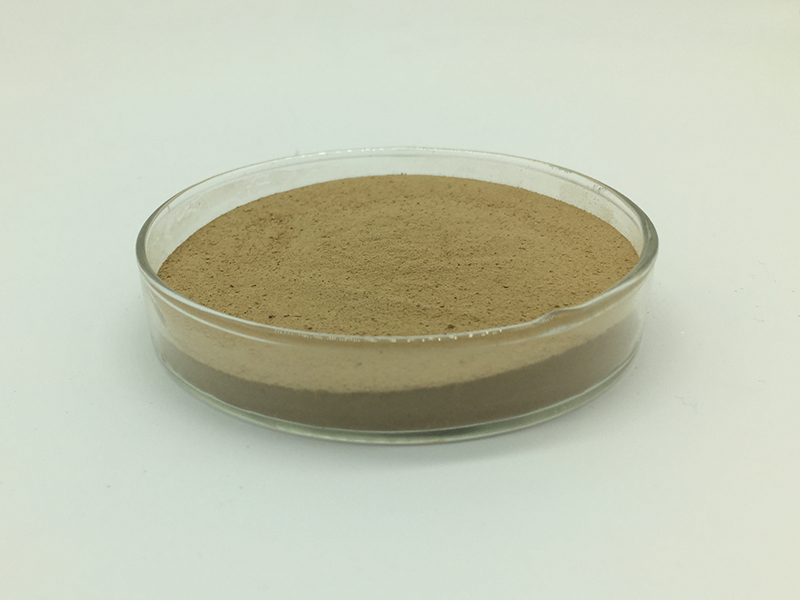
- Biofertilizer: Bacillus subtilis can be used as a natural biofertilizer to enhance soil fertility. It produces enzymes that break down organic matter, releasing nutrients that are easily accessible for plants.
- Application: Mix Bacillus subtilis with water and apply to the soil or root zone. You can use it in both liquid form or as a powder. Typically, around 1-2 teaspoons per gallon of water is recommended. Ensure even distribution across the root zone.
- Benefits: It promotes nutrient availability, enhances soil aeration, and helps suppress plant pathogens. It’s particularly useful for crops like tomatoes, peppers, and cucumbers.
2. Plant Disease Control (Biological Control Agent)
- Fungal and Bacterial Disease Management: Bacillus subtilis has antagonistic properties, meaning it can outcompete harmful pathogens. It can be used to prevent diseases like fusarium wilt, powdery mildew, blight, and other soil-borne fungal infections.
- Application: Apply as a foliar spray, especially before or at the first sign of disease, or apply directly to the soil.
- Tip: For best results, spray early in the morning or late afternoon to avoid direct sunlight, which may degrade the bacteria.
3. Compost Enrichment
Bacillus subtilis is often used in composting to speed up the breakdown of organic material, converting it into high-quality compost. It decomposes tough materials like lignin and cellulose, enhancing the process.
Application: Add Bacillus subtilis directly to the compost pile or bin. A small amount (around 1 teaspoon per cubic foot of compost) is enough to improve decomposition and accelerate the breakdown of organic matter.
4. Animal Feed Additive
- Probiotic for Livestock: Bacillus subtilis can be added to animal feed as a probiotic, promoting gut health in livestock like poultry, pigs, and cattle.
- Benefits: It can improve digestion, nutrient absorption, and overall health by maintaining a balanced microbial community in the gut.
- Application: Add Bacillus subtilis directly to the feed according to recommended dosages (usually a few grams per kilogram of feed). Consult with a veterinarian or animal nutritionist for the best dosage.
5. Industrial Applications
- Enzyme Production: Bacillus subtilis produces a range of industrially relevant enzymes, such as amylases, proteases, and lipases, which are used in detergents, food processing, and biofuel production.
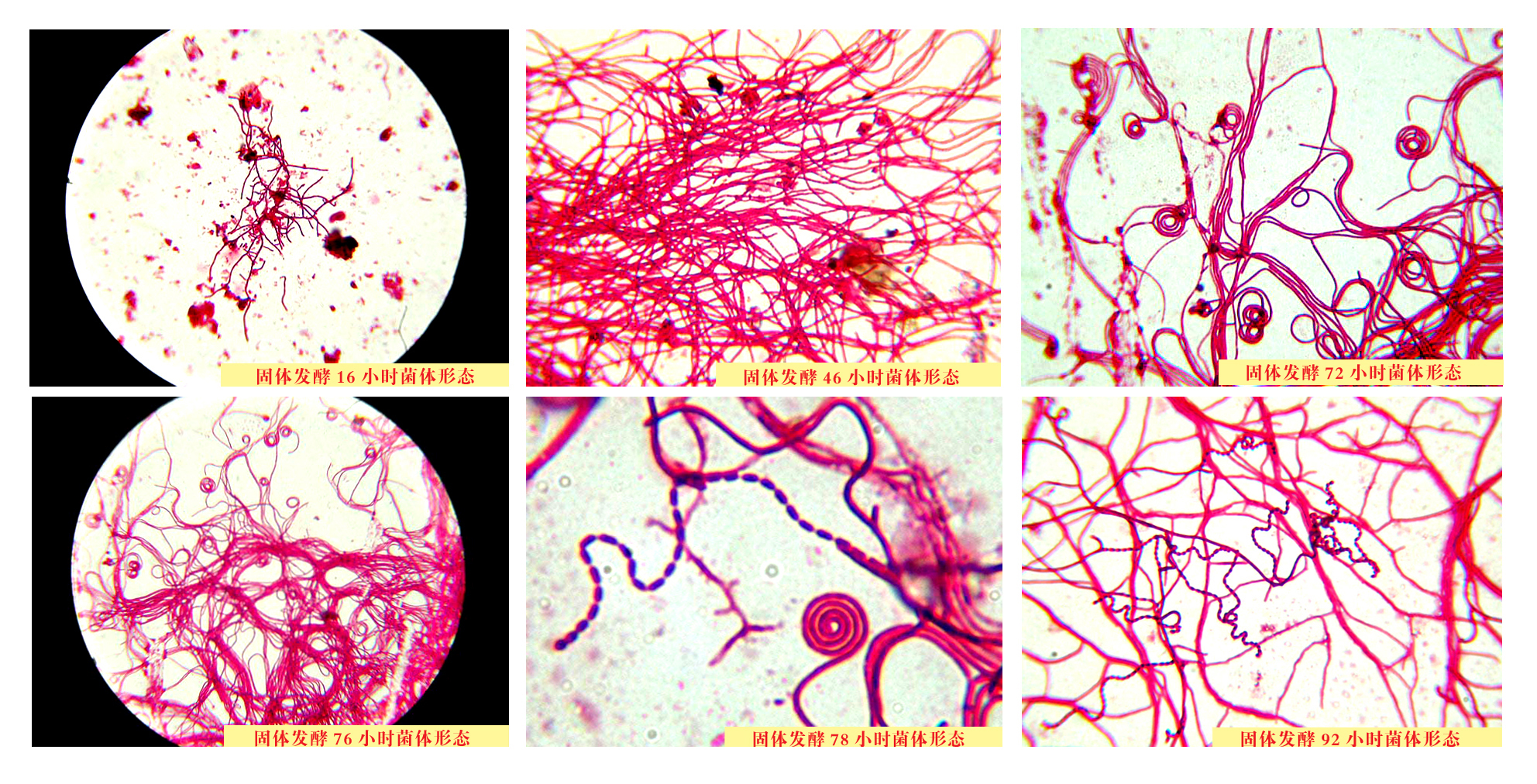
- Optimization: When cultivating Bacillus subtilis for enzyme production, ensure optimal conditions (temperature, pH, and aeration) to maximize yield.
Key Considerations:
- Storage: Bacillus subtilis should be stored in a cool, dry place, and it’s best to use it before the expiration date for maximum potency.
- Timing: Apply during the early stages of plant growth or at the first signs of a disease for the most effective results.
- Compatibility: Check compatibility with other pesticides or fertilizers you may be using. Bacillus subtilis is generally safe and can be combined with other biological agents, but it’s important to confirm with specific product guidelines.
By tailoring the application of Bacillus subtilis to your specific needs (soil health, disease control, animal feed, etc.), you can achieve great results across a variety of uses.
From cellsbio health technology
评论
发表评论