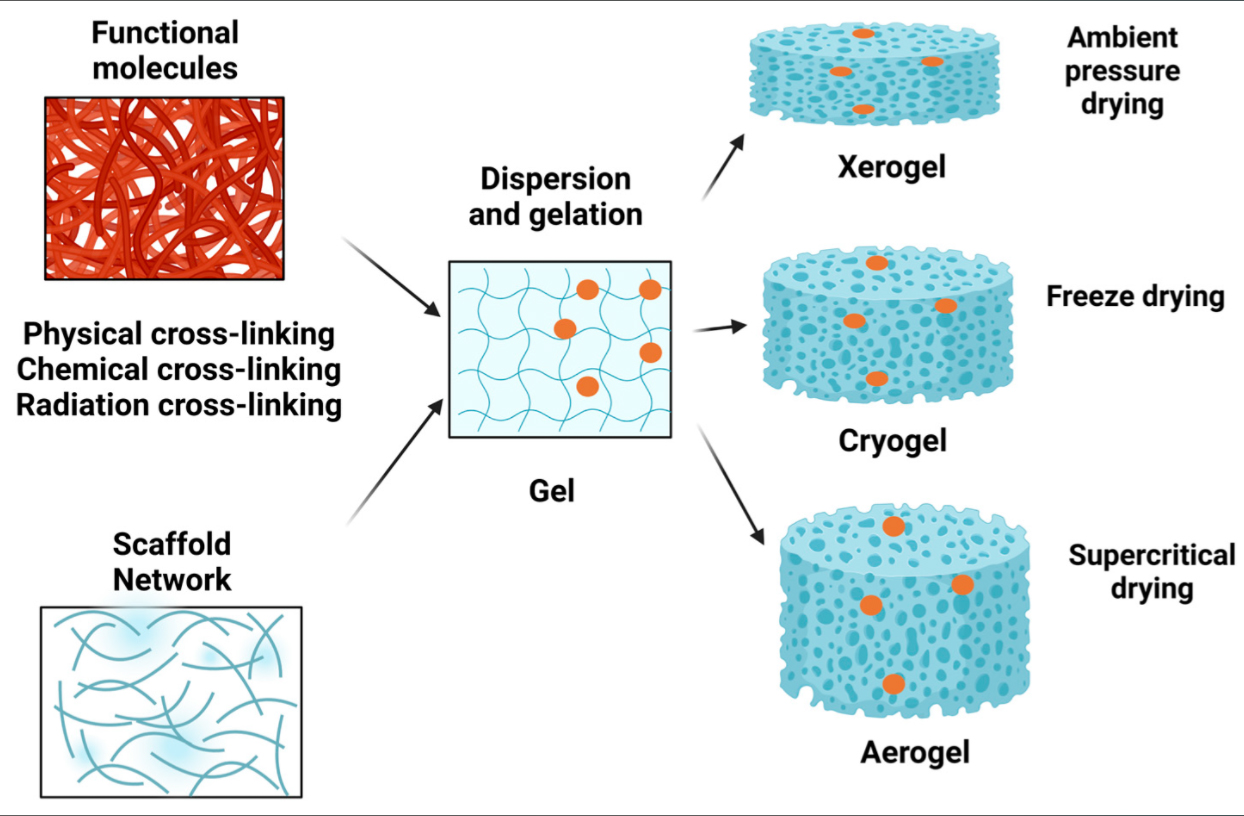
Aerogel is a class of highly porous materials known for their low density and remarkable thermal insulating properties. They have a wide range of functions and applications due to their unique structure, which consists of a network of nanoparticles that create a large amount of empty space (air) within the material. Here’s an overview of their efficacy and functions:
Efficacy of Aerogel:
1.Thermal Insulation:
Aerogels is among the best thermal insulators. Due to their low density and high porosity, they can effectively reduce heat transfer through conduction, convection, and radiation. This makes them ideal for use in environments where extreme temperatures are present, such as space exploration and industrial applications.
Silica aerogels, for example, have thermal conductivity values as low as 0.013 W/m·K, which is about five times lower than air itself.
2.Lightweight:
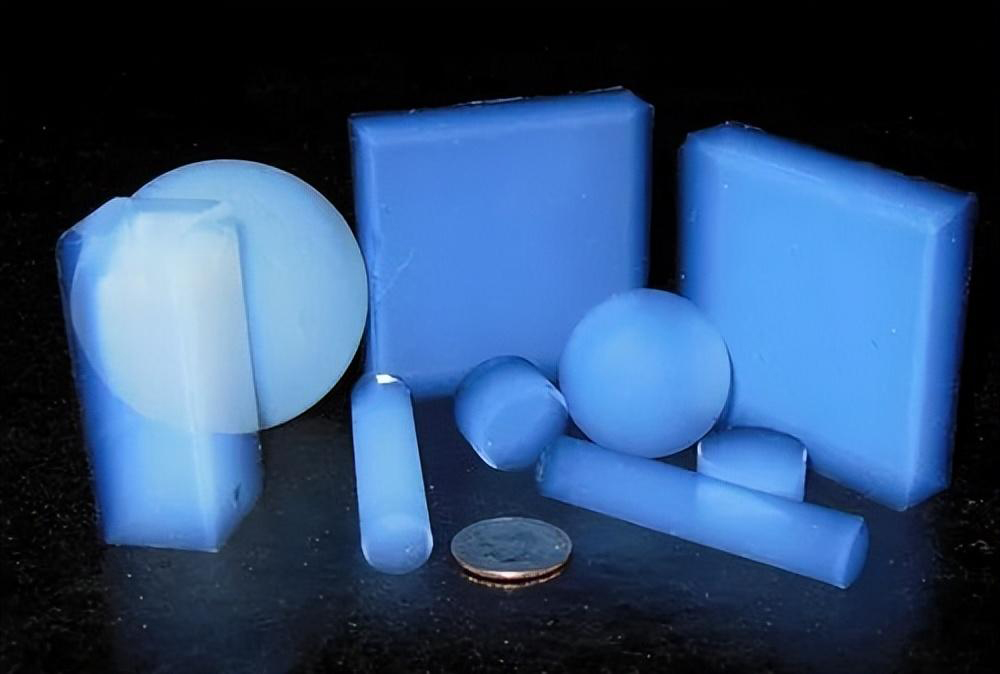
Aerogel is incredibly light, often described as “frozen smoke” due to their translucent and airy appearance. Their low density makes them ideal for applications where weight is a critical factor, such as in aerospace, where reducing mass can improve fuel efficiency and performance.
3.Mechanical Strength:
Despite their light weight, aerogel can be engineered to have a certain degree of mechanical strength, although they can be brittle and prone to breaking under high stress. Advances in aerogel composites have helped improve their structural integrity for use in a wider range of applications.
4.High Surface Area:
Aerogel have an exceptionally high surface area (typically in the range of 300–1000 m²/g), which makes them ideal for use in adsorption processes, such as for gas storage, filtration, or as catalysts in chemical reactions.
5.Sound Insulation:
Due to their porous nature, aerogel also provide excellent soundproofing, absorbing sound waves and reducing noise levels. This makes them useful in environments where noise reduction is a priority, such as in construction, automotive, and aerospace industries.
Functions and Applications of Aerogel:
1.Space Exploration:
Aerogel is used by space agencies like NASA to insulate spacecraft and rovers. They have been used in the Mars rovers and the Stardust mission to collect cometary dust particles. Their ability to insulate equipment in extreme temperatures makes them indispensable in space missions.
2.Thermal Insulation:
Aerogel is used as thermal insulators in a variety of industries, including construction, industrial piping, and oil rigs. Their high performance in extreme temperatures makes them suitable for high-performance insulation, often replacing fiberglass and other traditional materials.
3.Lightweight Composites:
Aerogel is used in combination with other materials to create lightweight composites. These composites are used in applications such as automotive parts, sporting equipment, and in the aerospace sector, where strength-to-weight ratio is critical.
4.Oil Spill Clean-up:
Aerogel, especially those made from organic or polymer materials, can be designed to absorb oils and other hydrophobic substances. This ability makes them highly effective in cleaning up oil spills or absorbing chemicals in industrial settings.
5.Catalysis and Adsorption:
Due to their high surface area and tunable properties, aerogel is used in various catalysis applications, particularly in chemical reactions requiring large surface areas. They can also be employed as adsorbents in filtration systems to remove pollutants or contaminants from air or water.
6.Supercapacitors and Batteries:
Aerogel is being researched for their potential in energy storage devices, such as supercapacitors and batteries, due to their high surface area and conductivity. Their application in this field is still in development but holds promise for more efficient and lightweight energy storage solutions.
7.Environmental and Health Applications:
Aerogel is also being explored for use in environmental sensors and for medical applications like wound dressings, due to their ability to trap moisture and provide lightweight, breathable materials.
Challenges:
Brittleness: Despite their many advantages, aerogel tend to be brittle and fragile, making them challenging to handle and apply in certain conditions. Researchers are working on creating more durable and flexible aerogel to expand their use.
Cost: Aerogel is still relatively expensive to produce, limiting their widespread use, although ongoing research is making production methods more cost-effective.
In summary, aerogel is incredibly versatile materials with a wide range of applications. Their unique properties, especially in insulation, lightweight design, and surface area, make them critical in many high-tech and industrial fields. However, challenges like brittleness and cost still need to be addressed for broader adoption.
From cellsbio health technology co.,ltd
评论
发表评论