Vitamin B3 Nicotinamide
Nicotinamide (NSC 13128, Niacinamide, Vitamin PP, Nicotinic acid amide, Vitamin B3, NSC 27452), a water-soluble vitamin, is an active component of coenzymes NAD and NADP.), also known as nicotinamide, is one of the two major forms of vitamin B3 (niacin). It is a form of vitamin B3, found in whole wheat foods and in certain vegetables.
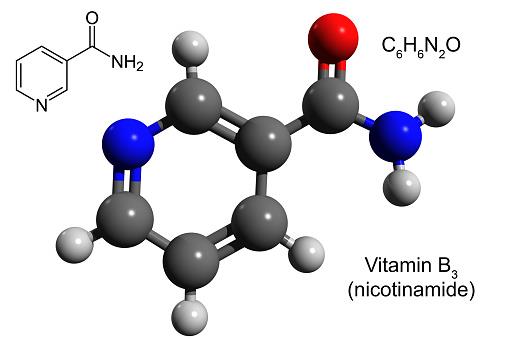
Nicotinamide is a white crystalline or crystalline powder, almost colorless and tasteless, soluble in water, ethanol, etc., slightly soluble in ether and chloroform. Nicotinamide works in synergy with natural substances in the skin to help significantly shrink pores, tighten loose pores, improve uneven skin tone, soften fine lines and wrinkles, reduce boredom, and strengthen weak surfaces. Among some other amazing skin care ingredients, such as retinol and vitamin C, nicotinamide is a prominent one because of its versatility, almost any skin care problem and skin type.
Nicotinamide is actually a derivative of vitamin B3. It is mainly in the following three aspects:
- First of all, if nicotinamide is added to skin care products, it can almost be defaulted that it can repair the skin barrier and improve the skin’s ability to protect against external aggression.
- Secondly, if the concentration of nicotinamide reaches 2%, it can help prevent melanin from running to the surface of our skin, which is often said to brighten the complexion.
- Finally, if the concentration of nicotinamide reaches 5%, it has the effect of antioxidation and the ability to prevent skin aging.
What are the effects of nicotinamide in cosmetics?
Nicotinamide for skin
Nicotinamide downregulates melanosome trafficking from melanocytes to keratinocytes without inhibiting tyrosinase activity or cell proliferation, thus affecting skin pigmentation, and it also interferes with cell signaling channels between keratinocytes and melanocytes and reduces melanogenesis. On the other hand, nicotininergic acts on already produced melanin, reducing its transfer to surface cells. When nicotinamide is used as a whitening ingredient, when the use concentration is in 2%~5%, it has a certain effect on treating the excessive pigmentation caused by chloasma and ultraviolet light. Combining N-acetylgluconitamine is said to be better.
Removing Beverage
4% of nicotinamide was comparable to 4% of hydroquinone in treating melasma and had fewer side effects and a higher safety profile.
Anti-aging
Studies have shown that nicotinamide acid effect on the skin and anti-aging. Nicotinamide acid can go deep into the skin to whiten and freckle, but also promote the skin metabolism, help the skin to metabolize the aging skin cells, make the skin cell structure better constructed, stimulate the rapid generation of new skin cells, so that it can smooth the wrinkles, and the skin will become more plump and tight.
Moisture
Improving the skin barrier function means that nicotinamide has a moisturizing ability. Studies have shown that topical topical 2% nicotinamide is more effective than vaseline (mineral lipid) in reducing skin water loss and increasing moisture retention.
Oil control and reduce pores
External use of nicotinamide (2%) can reduce the production of fatty acids and triglycerides in sebum, which has the effect of controlling oil secretion. It is said to have a synergistic effect with sodium dehydroacetate. And less oil secretion, will also make the skin pores look less large.
From cellsbio health technology co.,ltd
评论
发表评论