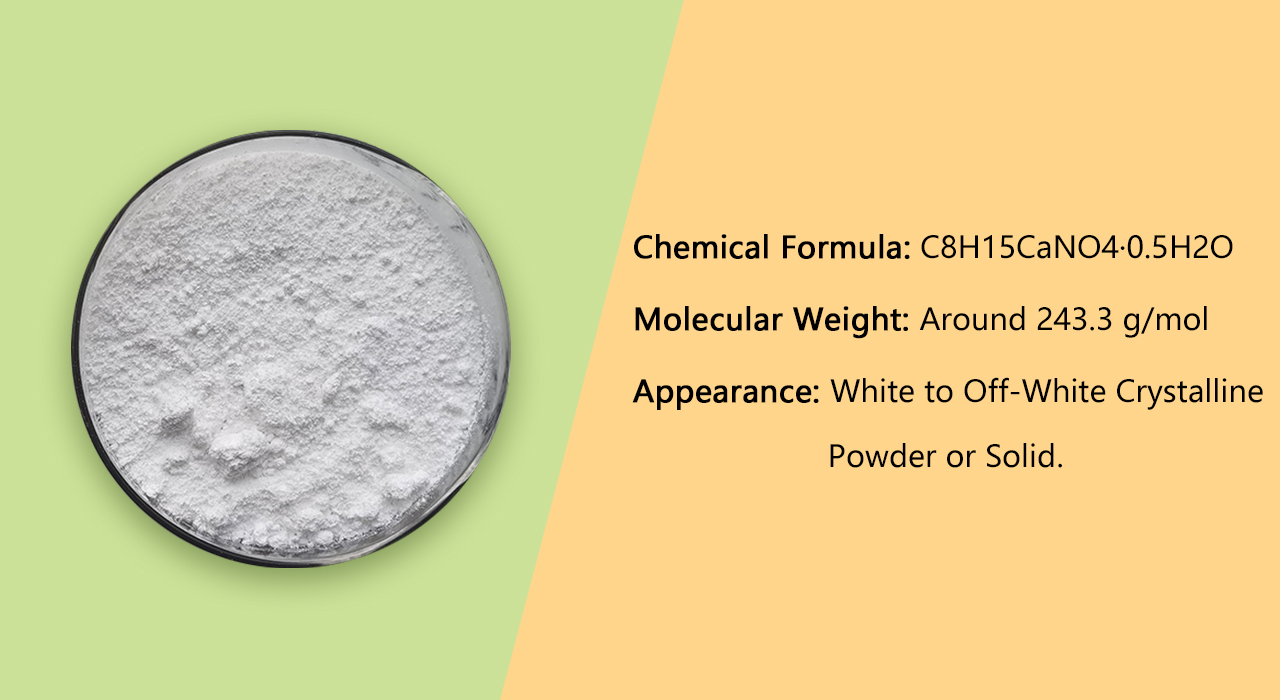
Calcium Hopantenate Hemihydrate is a specific form of calcium supplement that is somewhat different from typical calcium supplements, such as calcium carbonate, calcium citrate, or calcium lactate. Here’s a breakdown of its differences and characteristics:
1. Chemical Structure and Composition
- Calcium Hopantenate Hemihydrate: This is a calcium salt of hopantenic acid, a derivative of pantothenic acid (vitamin B5). The “hemihydrate” part refers to a specific water content in the crystal structure. It contains both calcium and hopantenic acid, which may have neuroprotective properties and potentially benefit cognitive health.
- Other Calcium Supplements: Typically, calcium supplements come in different forms like calcium carbonate, calcium citrate, calcium gluconate, and calcium lactate. These primarily provide elemental calcium in various forms, with different bioavailability and absorption rates.
2. Primary Use
- Calcium Hopantenate Hemihydrate: It is often used for its potential cognitive and neuroprotective benefits, alongside its role in providing calcium. The hopantenate component is thought to support brain function and may be used in treating conditions like cognitive decline or certain neurological disorders.
- Other Calcium Supplements: Most other calcium supplements are used primarily to support bone health, treat or prevent calcium deficiencies, and manage conditions like osteoporosis, rickets, or hypocalcemia.

3. Absorption and Bioavailability
- Calcium Hopantenate Hemihydrate: The absorption of this form of calcium can be influenced by the presence of hopantenic acid. While the calcium content is important for bone health, the unique compound may also have effects on the central nervous system, which is not a typical feature of most calcium supplements.
- Other Calcium Supplements: Forms like calcium citrate are more easily absorbed than calcium carbonate, especially in individuals with low stomach acid, and are often preferred for those with gastrointestinal issues. Calcium carbonate, while more common, requires a higher stomach acid level for optimal absorption.
4. Side Effects
- Calcium Hopantenate Hemihydrate: Side effects are less well-documented compared to common calcium supplements, but they may include typical calcium-related issues such as constipation, or potentially, effects related to the hopantenate component (e.g., changes in mood or cognition).
- Other Calcium Supplements: Common side effects include gastrointestinal discomfort, constipation, and in some cases, kidney stones, especially with excessive use of calcium carbonate or other poorly absorbed forms.
5. Additional Health Benefits
- Calcium Hopantenate Hemihydrate: The hopantenate component may have neuroprotective or cognitive-enhancing effects, which makes it unique among calcium supplements. It could be particularly useful in brain health and related conditions.
- Other Calcium Supplements: Typically, the primary benefit is bone health, and some calcium forms may have additional benefits like supporting muscle function or heart health (since calcium plays a role in muscle contraction and nerve signaling).
6. Cost and Availability
- Calcium Hopantenate Hemihydrate: This is less commonly found on the market and might be more expensive or harder to find than other calcium supplements. It is often used in specialized medical treatments.
- Other Calcium Supplements: Calcium supplements like calcium carbonate and calcium citrate are widely available and relatively inexpensive, found in many drug stores and health food shops.
In summary, Calcium Hopantenate Hemihydrate is a specialized form of calcium with potential benefits for cognitive function, while most other calcium supplements focus on supporting bone health and general calcium needs. The choice between them would depend on the specific health needs, such as cognitive support versus bone health maintenance.
From cellsbio health technology co.,ltd
评论
发表评论