Bacillus subtilis is a beneficial, spore-forming bacterium known for its wide range of applications in agriculture, medicine, and industry. Here are some key benefits:
1. Agricultural Benefits
✅ Plant Growth Promotion – It produces phytohormones like auxins and cytokinins, enhancing root and shoot growth.
✅ Biocontrol Agent – It suppresses harmful plant pathogens such as Fusarium, Rhizoctonia, and Pythium by producing antibiotics and competing for nutrients.
✅ Induces Systemic Resistance – Triggers the plant’s immune system to defend against diseases.
✅ Enhances Soil Health – Decomposes organic matter, improving soil fertility and nutrient availability.
2. Human Health Benefits
✅ Probiotic Properties – It supports gut health by promoting beneficial bacteria, aiding digestion, and boosting immunity.
✅ Antimicrobial Effects – Produces antimicrobial compounds that help fight harmful bacteria like E. coli and Salmonella.
✅ Lowers Inflammation – Potential role in reducing inflammatory bowel disease (IBD) symptoms.
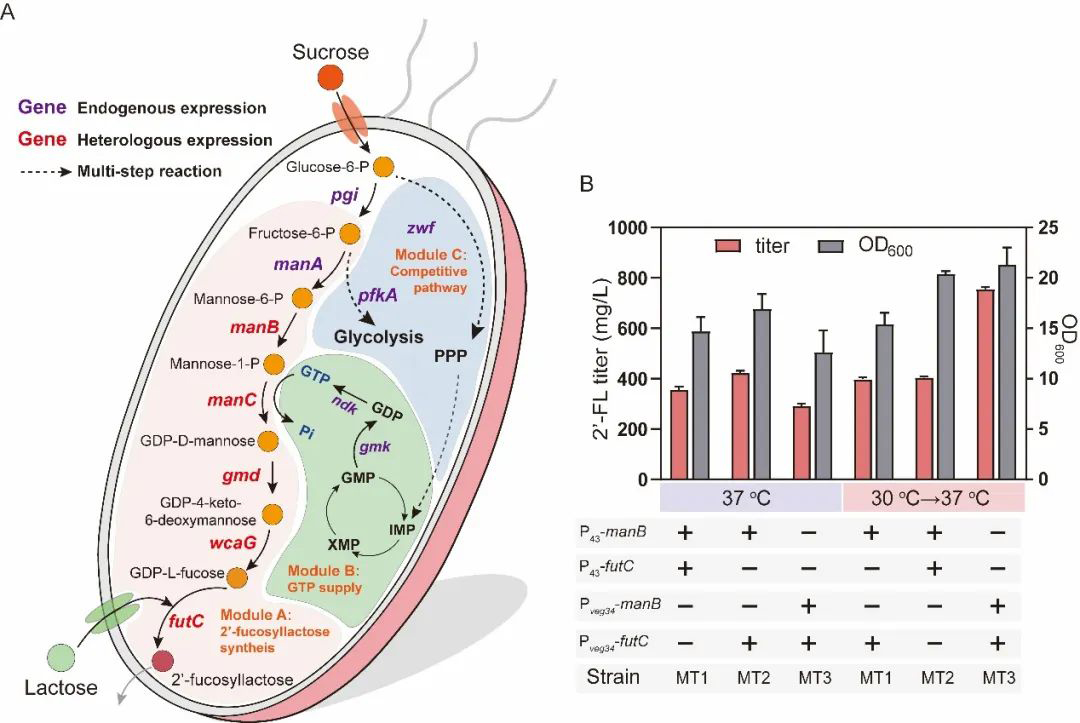
3. Industrial and Biotechnological Uses
✅ Enzyme Production – Produces enzymes like amylases and proteases, used in food, detergent, and pharmaceutical industries.
✅ Bioremediation – Helps in breaking down pollutants in contaminated environments.
✅ Fermentation Industry – Used in the production of antibiotics, vitamins (like Vitamin B12), and other bioactive compounds.
Would you like details on a specific application?
Uses of Bacillus Subtilis
Bacillus subtilis is a beneficial, rod-shaped, Gram-positive bacterium with a wide range of applications in various industries. Here are some of its primary uses:
1. Agriculture
- Biofertilizer: Enhances soil fertility by promoting plant growth through nitrogen fixation and phosphate solubilization.
- Biocontrol Agent: Protects crops from pathogens by producing antimicrobial compounds and competing with harmful microbes.
- Inducing Plant Resistance: Stimulates plant immune responses against diseases.
2. Food Industry
- Probiotic in Food and Beverages: Commonly used in fermented foods like natto (Japanese fermented soybeans) for gut health.
- Enzyme Production: Produces industrially useful enzymes like amylases and proteases for food processing.
- Food Preservation: Produces antimicrobial peptides that inhibit foodborne pathogens.
3. Pharmaceuticals & Medicine
- Probiotic Supplement: Supports gut health and boosts the immune system.
- Antibiotic Production: Produces natural antibiotics such as bacitracin, which is used in topical medications.
- Vaccine Development: Used as a vehicle for oral vaccine delivery due to its ability to survive in the gastrointestinal tract.
4. Biotechnology & Industrial Applications
- Enzyme Production: Produces industrial enzymes for detergents, textiles, and biofuel industries.
- Biodegradation & Waste Treatment: Helps in breaking down organic waste and pollutants.
- Genetic Engineering & Synthetic Biology: Used as a model organism for research and genetic modification.
5. Environmental Applications
- Bioremediation: Used for detoxifying pollutants, including heavy metals and oil spills.
- Wastewater Treatment: Enhances the breakdown of organic matter in sewage treatment plants.
Would you like details on any specific application?
From cellsbio health technology co.,ltd
评论
发表评论