What is kojic acid dipalmitate?
Kojic acid dipalmitate or KAD is a diesterified derivative of kojic acid. This substance is superior to kojic acid in the effect of whitening. Moreover, this substance is more stable than normal kojic acid. Therefore, it is widely useful in the cosmetic industry. This whitening ability of kojic acid diplomate comes from its ability to inhibit tyrosinase activity, which can result in the suppression of skin pigmentation.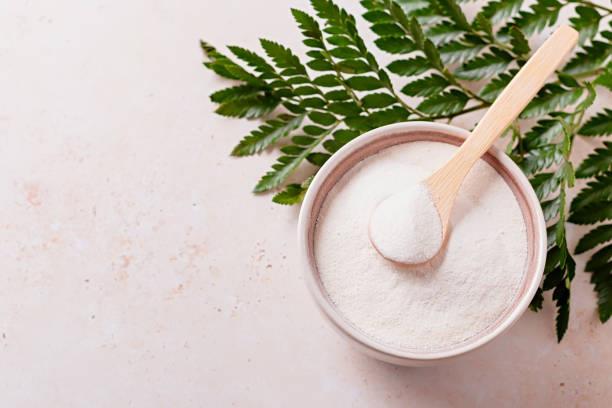
Further, Kojic acid dipalmitate can act not only as a whitening agent but can also fight age spots, pregnancy marks, freckles, and general skin pigmentation disorders on the face and body. Many cosmetic products use this substance due to its high effectiveness and high stability.
How does kojic acid dipalmitate work?
By inhibiting tyrosinase activity, Kojic Acid Dipalmitate is capable of suppressing skin pigmentation. Its ability to suppress melanin formation makes it effective in whitening dark skin, or areas of dark skin. Its effects have been boosted when used in combination with glucosamine derivatives like N-Acetyl Glucosamine (NAG).
What are the Similarities Between Kojic Acid and Kojic Acid Dipalmitate?
Both kojic acid and kojic acid dipalmitate can act as whitening agents for the skin.
They are carcinogenic, according to some research studies.
What is the Difference Between Kojic Acid and Kojic Acid Dipalmitate?
Kojic acid is a chelation agent formed as the byproduct of fermentation of malting rice used for Japanese rice wine, while kojic acid dipalmitate is a diesterified derivative of kojic acid. Kojic acid and kojic acid dipalmitate are important whitening agents in the cosmetic industry. Kojic acid also has many applications in the food industry. The key difference between kojic acid and kojic acid dipalmitate is that kojic acid comparatively has less stability, whereas kojic acid dipalmitate has high stability.
The function of Kojic Acid Dipalmitate:
Kojic acid dipalmitate has the effect of blocking the formation of skin melanin, and this inhibition is stronger than kojic acid, making it a new generation of highly effective whitening active agents. Kojic acid dipalmitate is used as a fat-soluble whitening active agent.
In addition to being easier to formulate, it can also be absorbed more accurately by the skin, while giving the skin a good moisturizing effect.
Mechanism of action:
Kojic acid dipalmitate has a strong inhibitory effect on the production of melanin in human skin. In terms of inhibiting the activity of tyrosinase, Kojic acid dipalmitate is different from arbutin, isoflavone compounds, placenta extract and ascorbic acid. Its unique feature is that it combines with copper ions when it acts to prevent the activation of copper ions and tyrosinase. It can also inhibit the dark spots and freckles produced by the formation of Melarine pigment, promote the metabolism of the skin, quickly eliminate the formed Melarine pigment, and see the whitening effect in a short time.
Safety: This product is non-toxic, non-irritating, non-side-effect, and non-photosensitive.
Reference dosage: 1~3% is soluble in the oil phase, and 68 is soluble, it should be emulsified above this temperature, otherwise crystallization will occur.
Application:
Kojic acid dipalmitate can be mixed with cream and lotion-type cosmetics to make curative cosmetics and whitening cosmetics with a good curative effect on age spots, freckles and pigmentation. Soluble in hot liquid paraffin, isopropyl palmitate, isopropyl myristate and other oils. It is stable in the environment of PH 5~8.
Where to buy kojic acid?
If you want to buy kojic acid powder, you can contain Lyphar. We produce the best kojic acid powder and can provide fast logistics and processing services.
Kojic acid benefits for skin
When the acid of kojic acid acts on the skin, it can effectively reduce age spots, scars and sunburn, and has anti-aging and whitening effects. In addition, kojic acid has certain antibacterial properties, although some skin care products contain kojic acid In small doses, it may also help the skin fight common bacterial strains, treat bacterial-induced acne, or lighten unresolved dark acne scars. Kojic acid contains antifungal properties and is even added to some antifungal products to increase their effectiveness, helping to treat fungal skin infections and more.
How to use products containing kojic acid
“When using kojic acid topically, you may start seeing results within two weeks. If you also add glycolic acid to your treatment, you may see better results — or faster results.
You can use kojic acid to treat hyperpigmented or scarred areas, but you shouldn’t use it in an attempt to lighten your natural skin tone.
Make an appointment with your dermatologist if you would like to use a product containing kojic acid to treat a certain condition or cosmetic appearance. They can help you decide the best and safest course of action. They can also give you information about dosages and complementary treatments”.The description in this paragraph comes from a popular science website. For more product information, please contact us.
评论
发表评论