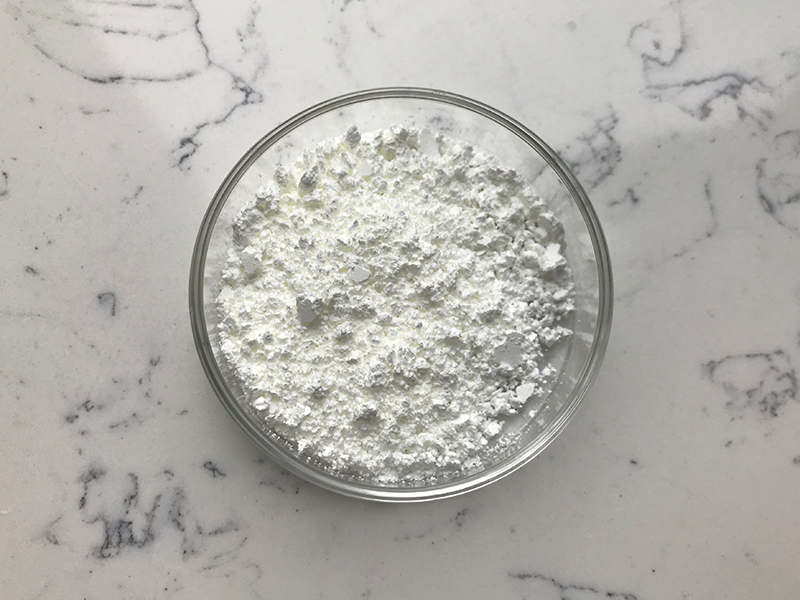
Glycyrrhetinic acid is a bioactive compound derived from glycyrrhizin, which is found in the root of the licorice plant (Glycyrrhiza glabra). It has been traditionally used in herbal medicine for its various therapeutic properties. Here are some key points about glycyrrhetinic acid:
Chemical Properties
Chemical Structure: Glycyrrhetinic acid is a triterpenoid saponin.
Molecular Formula: C30H46O4
Molecular Weight: 470.7 g/mol
Biological Activities
Anti-inflammatory: It inhibits enzymes like 11β-hydroxysteroid dehydrogenase and reduces the production of inflammatory mediators, making it useful in treating conditions like eczema and psoriasis.
Antiviral: It has shown activity against viruses such as hepatitis and herpes simplex.
Anticancer: Studies have indicated that glycyrrhetinic acid can induce apoptosis and inhibit the proliferation of certain cancer cells.
Hepatoprotective: It protects liver cells from damage and supports liver function.
Antimicrobial: It possesses antibacterial and antifungal properties.
Uses and Applications
Cosmetics: Used in skin care products for its soothing and anti-inflammatory properties.
Pharmaceuticals: Utilized in formulations for treating ulcers, liver diseases, and respiratory conditions.
Supplements: Included in dietary supplements aimed at promoting digestive and liver health.
Safety and Side Effects
Potential Side Effects: Excessive intake can lead to side effects such as hypertension, hypokalemia, and edema due to its mineralocorticoid activity.
Contraindications: Individuals with hypertension, kidney disorders, or heart conditions should use glycyrrhetinic acid-containing products with caution.
Glycyrrhetinic acid is a versatile compound with a wide range of applications, but like any bioactive substance, it should be used judiciously to avoid adverse effects.
How to use Glycyrrhetinic Acid?
Glycyrrhetinic acid, a bioactive compound derived from licorice root (Glycyrrhiza glabra), has various applications in health, skincare, and traditional medicine. Here’s a guide on how to use glycyrrhetinic acid:
1.Health and Supplementation
Oral Supplements
Dosage: Typically, glycyrrhetinic acid supplements are taken in doses ranging from 100 mg to 500 mg per day. However, the exact dosage can vary based on the product and the individual’s needs.
Use: Follow the instructions on the supplement packaging. It is usually taken with water, and it’s important to stick to the recommended dosage to avoid potential side effects.
2.Skincare
Topical Application
Formulations: Glycyrrhetinic acid is found in creams, lotions, serums, and ointments designed for skin care.
Benefits: It is used for its anti-inflammatory, soothing, and brightening properties, often to treat conditions like eczema, psoriasis, acne, and hyperpigmentation.
Application: Apply the product containing glycyrrhetinic acid to clean, dry skin. Use it once or twice daily as part of your skincare routine, depending on the product’s instructions.
3.Traditional Medicine
Herbal Remedies
Decoctions and Teas: Licorice root, which contains glycyrrhetinic acid, is used in traditional medicine to make teas and decoctions for treating respiratory and digestive issues.
Preparation: Boil dried licorice root in water and let it simmer for about 10-15 minutes. Strain and drink the tea, typically 1-2 cups per day.
Caution: Regular use of high doses can lead to side effects such as hypertension, edema, and electrolyte imbalances.
4.Warnings and Precautions
Potential Side Effects: Excessive intake of glycyrrhetinic acid can cause high blood pressure, low potassium levels, and other metabolic disturbances.
Contraindications: Individuals with hypertension, heart disease, kidney issues, or pregnant and breastfeeding women should consult a healthcare provider before using glycyrrhetinic acid.
Drug Interactions: It can interact with medications, including diuretics, corticosteroids, and medications for heart conditions.
5.Consultation with Healthcare Provider
Before starting any new supplement or treatment, it is crucial to consult with a healthcare provider, especially if you have preexisting health conditions or are taking other medications.
By adhering to the recommended usage guidelines and consulting with a healthcare professional, you can safely incorporate glycyrrhetinic acid into your health and skincare regimen.
评论
发表评论