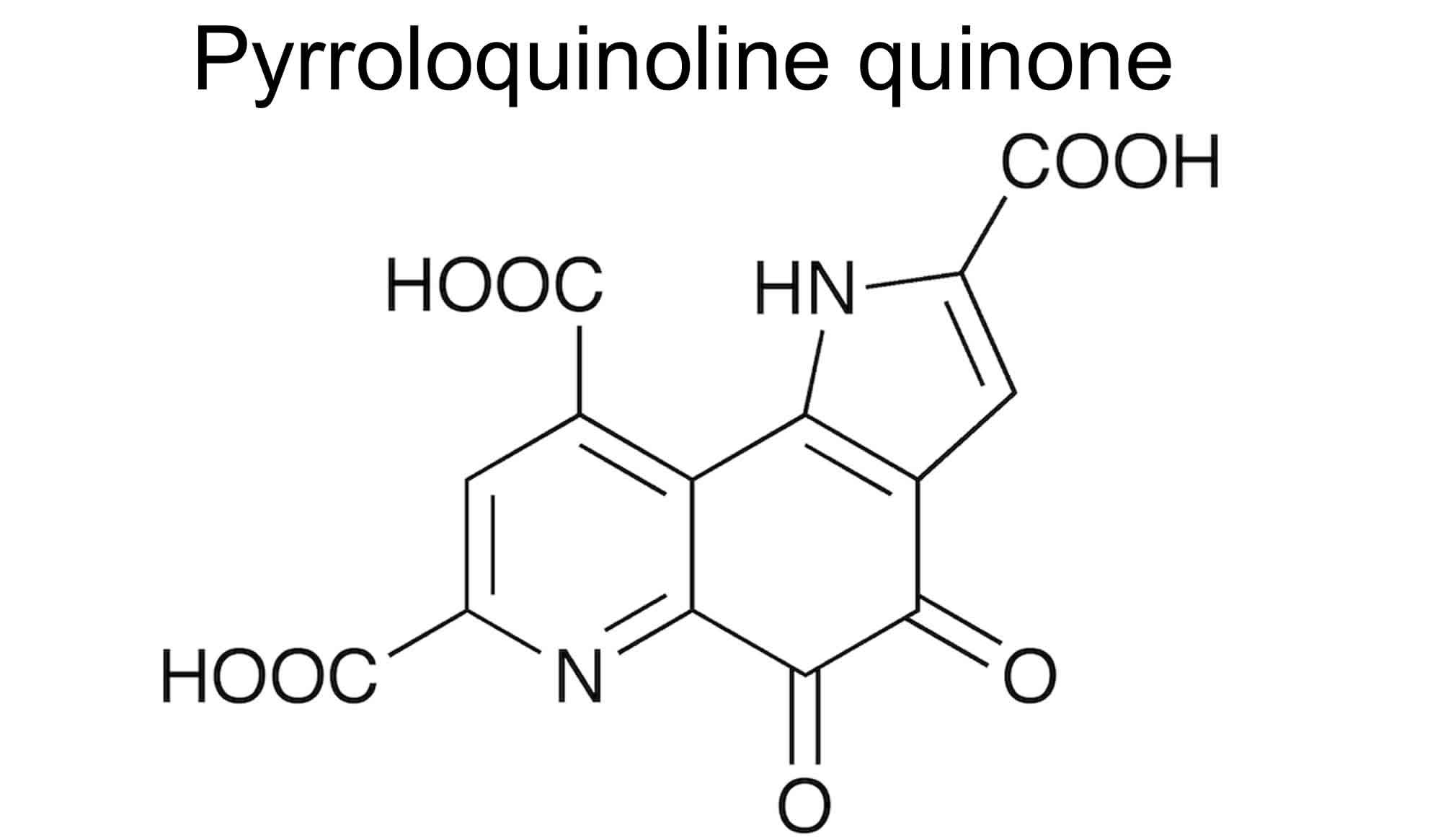
Pyrroloquinoline Quinone (PQQ) is a naturally occurring compound that has been shown to have several potential health benefits. Here are some of the key benefits associated with Pyrroloquinoline Quinone:
1. Mitochondrial Health and Energy Production
- Mitochondrial biogenesis: Pyrroloquinoline Quinone has been shown to stimulate the growth of new mitochondria (the energy-producing structures in cells), which can enhance overall cellular energy production and improve endurance and vitality.
- Improved energy metabolism: By supporting mitochondrial function, Pyrroloquinoline Quinone may help improve energy levels and metabolic processes, which can be beneficial for both physical and cognitive performance.
2. Neuroprotective Effects
- Cognitive support: Pyrroloquinoline Quinone has antioxidant properties that may protect brain cells from oxidative stress, which is a major contributor to neurodegenerative diseases. It may support cognitive function, memory, and learning.
- Protection against neurodegeneration: Studies suggest that Pyrroloquinoline Quinone may help protect neurons from damage caused by harmful molecules like reactive oxygen species (ROS), and it may reduce the risk of conditions like Alzheimer’s and Parkinson’s disease.


- Pyrroloquinoline Quinone is a potent antioxidant, meaning it helps neutralize free radicals that can damage cells and tissues. This property can contribute to overall cellular health and help slow down the aging process.
4. Anti-Inflammatory Effects
- Pyrroloquinoline Quinone has been shown to possess anti-inflammatory properties, which can reduce inflammation in the body. Chronic inflammation is linked to various diseases, including heart disease, diabetes, and certain cancers, so reducing inflammation can have broad health benefits.
5. Heart Health
- Cardiovascular protection: Some studies suggest that Pyrroloquinoline Quinone may support heart health by improving blood flow, reducing oxidative stress, and protecting against damage to blood vessels and heart muscle cells.
- Lowering cholesterol: Pyrroloquinoline Quinone may help regulate lipid metabolism, potentially lowering cholesterol levels and reducing the risk of cardiovascular disease.
6. Supports Immune Function
- Pyrroloquinoline Quinone may enhance the immune system by supporting the function of white blood cells, which are critical for defending the body against infections.
7. Improved Sleep
- Some research indicates that Pyrroloquinoline Quinone may improve sleep quality, potentially due to its influence on the production of brain-derived neurotrophic factor (BDNF), which plays a role in sleep regulation.
8. Anti-Aging Effects
- By supporting mitochondrial health, reducing oxidative stress, and promoting cellular repair, Pyrroloquinoline Quinone may have anti-aging effects. It may help slow the progression of age-related diseases and contribute to longer life expectancy.
9. Improved Mood and Mental Clarity
- There is some evidence that Pyrroloquinoline Quinone supplementation can improve mood and reduce symptoms of stress and anxiety, likely due to its ability to support brain health and optimize energy production in the brain.
10. Potential for Diabetes Management
- Preliminary research has suggested that Pyrroloquinoline Quinone might help regulate blood sugar levels and improve insulin sensitivity, which could be beneficial for individuals with type 2 diabetes or those at risk of developing the condition.
11. Enhances Nutrient Absorption
- Pyrroloquinoline Quinone might enhance the absorption of certain nutrients in the body, which could contribute to better overall nutrition and health.
Summary
Pyrroloquinoline Quinone (PQQ) is a promising compound with a wide range of potential health benefits, especially related to mitochondrial health, brain function, cardiovascular protection, and anti-aging. However, more research, particularly human clinical trials, is needed to fully understand its mechanisms and optimal usage. As always, it is advisable to consult with a healthcare provider before adding supplements to your routine.
评论
发表评论